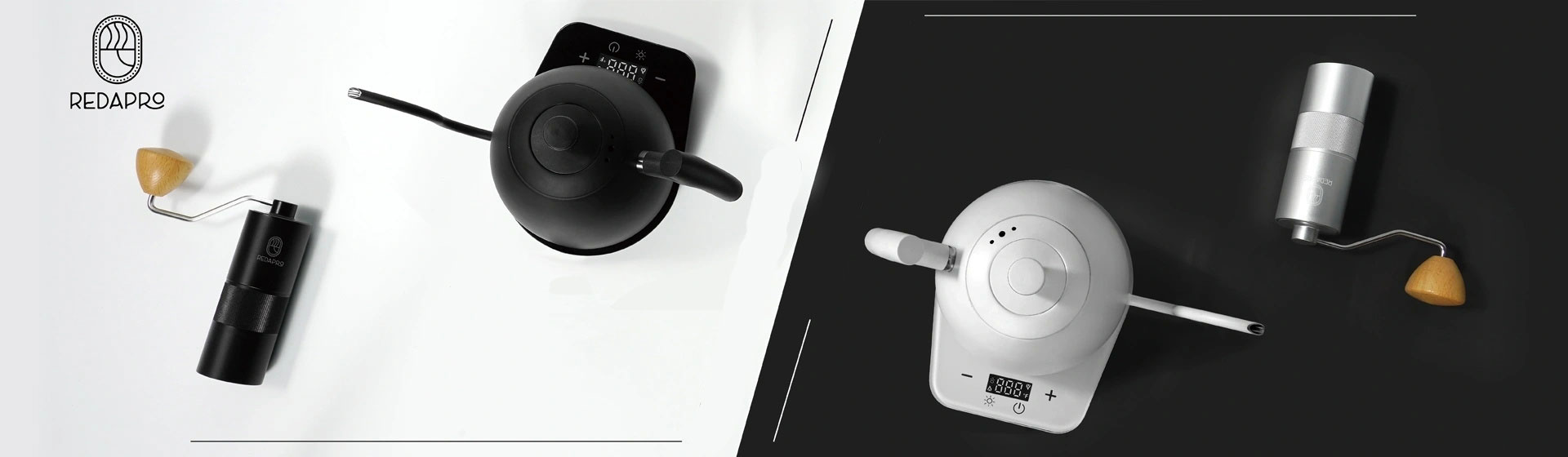
An Electric Kettle is one of the most practical kitchen appliances—ready within minutes to boil water for tea, coffee, instant soup, or cooking. To get the most value and performance, choosing the right electric kettle requires more than just picking one with a pleasing shape. Knowing which features matter can help you find a reliable kettle that meets your needs, looks good on the countertop, and operates safely for years.
Start by thinking about how much water you typically boil at once:
If you usually make one or two cups, a capacity around 1.0 L is sufficient.
For family use or multiple servings, look for kettles of 1.5 L to 2.0 L or more.
Also check the footprint on your countertop, lid clearance under cabinets, and whether there’s enough room to pour safely. A kettle too large or too small for your space becomes inconvenient.
Power rating (in watts) affects how fast the kettle boils water. Higher-wattage models heat faster, though they may require a more robust outlet.
Typically a kettle in the 1,200-1,800 W range is sufficient for everyday use, while larger or premium models may reach 2,000–3,000 W in regions with higher voltage. When choosing, match the kettle’s power to your household electrical supply and desired boiling time.
Materials used in the kettle influence durability, hygiene, and heating performance.
Stainless steel interiors are durable, handle hard water better, and often last longer.
Glass models allow you to see the water level and boiling process, but the exterior may feel hotter and generally require more care.
Plastic-bodied kettles can be lightweight and affordable—but ensure the interior is BPA-free and that quality is reliable.
A well-built kettle should have a wide opening for filling and cleaning, clear water-level markings, and a secure base.
Safety should always be a top priority when choosing an Electric Kettle. Key safety features include:
Automatic shut-off when the water reaches boiling point—prevents overheating or dry-boiling.
Boil-dry protection, which cuts power if there is insufficient water inside.
A stable base, well-insulated handle, and non-slip feet to reduce risk of tipping or hot-surface contact.
These features make the kettle safer for daily use and peace of mind.
Depending on your needs, you may want extra features beyond simple boiling:
Preset or adjustable temperature settings—useful for teas or coffees that require specific temperatures.
Keep-warm function to hold water at a set temperature for short periods.
Water-level window or markings to help avoid overfilling and improve safety.
Removable filter to catch limescale and improve hygiene.
Decide which extras you’ll actually use—sometimes simpler is better.
A kettle is often used daily, so ease of maintenance matters:
Ensure the kettle has a wide opening to make cleaning easier.
Concealed heating element is preferred, as exposed coils can collect mineral buildup.
Models with fewer seams and joints help prevent limescale accumulation.
Regular maintenance keeps performance optimal and prolongs the appliance’s life.
Check that the kettle matches the voltage and plug standard of where it will be used—this avoids damage and ensures safety.
Also consider the wattage draw relative to your circuit: very high-wattage kettles may require dedicated outlets or higher-capacity wiring.
This ensures the kettle performs safely and reliably in your environment.
Set a budget that aligns with how often you’ll use the kettle and which features matter most.
A basic model with reliable boil-to-off and simple design may suit most users.
A more premium model with higher wattage, temperature control, and premium materials is a good investment if you brew often or value versatility.
Check reviews for durability, build quality, ease of use, and longevity—the cheapest doesn’t always offer the best long-term value.
Before checking out, run through this quick checklist:
Does the capacity match your typical usage?
Is the wattage appropriate for your electrical supply?
What material is the interior and body—does it suit your preference and environment?
Are key safety features present (auto-shut-off, boil-dry protection, stable base)?
Are there any extras you’ll actually use (temperature control, keep-warm, filter)?
Is it easy to clean and maintain?
Does it fit your budget and logo value?
Answering these questions ensures you make an informed choice.
Choosing the right Electric Kettle involves more than picking the one that looks best on your countertop. By considering capacity, power, materials, safety features, extras, ease of cleaning, electrical compatibility, and budget, you can select an appliance that performs reliably, lasts long, and matches your daily needs.
A well-chosen kettle becomes a daily convenience rather than a compromise—boiling water quickly, safely, and without fuss.