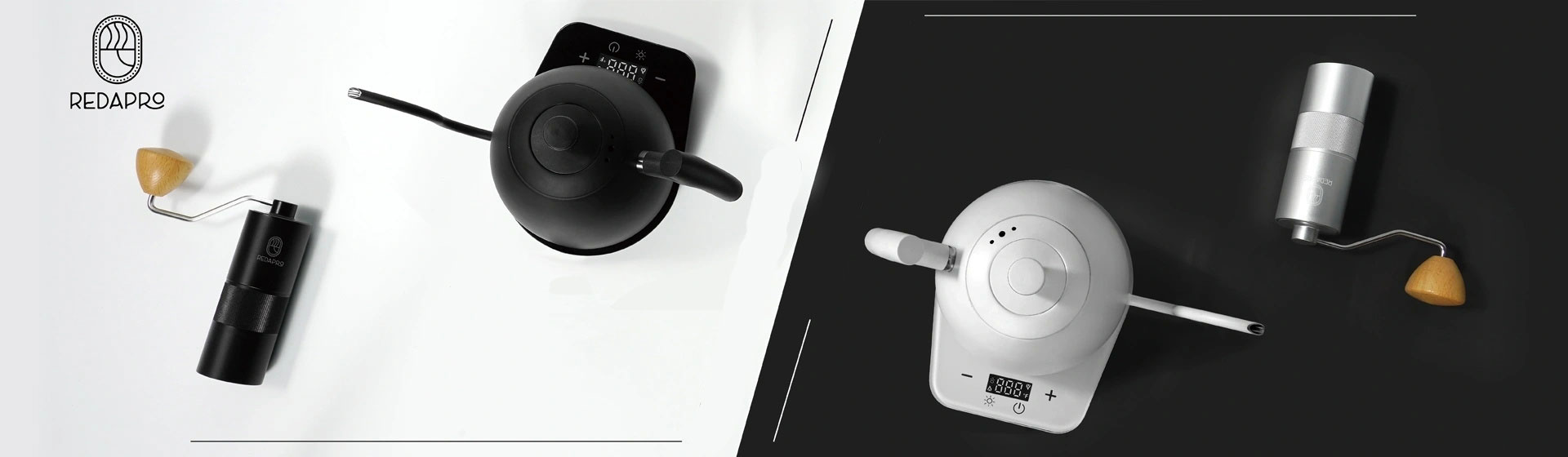
Burn marks inside an Electric Kettle are a common issue, especially when water accidentally boils dry or residue builds up over time. These dark stains not only affect the appearance of your kettle but may also influence the taste of boiled water if left untreated.
Fortunately, you can clean a burnt electric kettle easily and safely using simple household ingredients. In this guide, we’ll explain why burning happens, how to remove burnt stains, and how to prevent them in the future—keeping your kettle looking new and performing efficiently.
A burnt kettle usually results from overheating or dry-boiling—when the heating element operates without enough water inside. The heat then scorches leftover minerals or limescale at the bottom, leaving brown or black stains.
Other causes include:
Neglecting regular cleaning, which allows residue to harden.
Boiling sugary or flavored liquids (not recommended).
Using hard water, which leaves thick limescale that burns easily.
Understanding these causes helps you choose the right cleaning method and prevent recurrence.
Before cleaning, gather a few basic household items:
White vinegar or lemon juice
Baking soda
Soft sponge or cloth
Warm water
Non-metallic scrubbing brush (optional)
Avoid metal scouring pads—they can scratch the kettle’s interior and damage the heating surface.
Always disconnect the kettle from power and let it cool completely. Never attempt to clean while it’s hot or plugged in.
Mix equal parts white vinegar and water. Fill the kettle until the burnt area is submerged (about half to three-quarters full).
Switch on the kettle and let the vinegar solution boil. Once it reaches boiling point, turn it off and leave it to soak for 15–20 minutes. The mild acid in vinegar loosens burnt residue and mineral deposits.
After soaking, use a soft sponge or non-metal brush to wipe the burnt area. Avoid harsh scrubbing—most stains will lift easily after soaking.
Empty the kettle, then fill it with fresh water. Boil and discard the first batch to remove any remaining vinegar smell or taste. Repeat once if necessary.
If the burn marks remain after the first cleaning, try one of the following deeper-cleaning methods:
Mix 1 tablespoon baking soda with a few drops of water to form a paste.
Apply it to the burnt area and let it sit for 15 minutes.
Gently scrub and rinse thoroughly.
Baking soda is a mild abrasive that removes tough discoloration without scratching metal.
Cut a lemon in half and sprinkle salt on the cut side.
Rub the lemon directly on the burnt spots inside the kettle.
Let it sit for 10 minutes, then rinse with warm water.
The citric acid in lemon works similarly to vinegar but leaves a fresh scent.
Mix one part vinegar, one part lemon juice, and one part water.
Fill the kettle above the stain and leave it overnight (unplugged).
Rinse and boil clean water twice before reuse.
This combination effectively lifts dark or metallic burn marks formed by dry boiling.
If the outer surface of your kettle has burn marks or discoloration:
Wipe it with a damp cloth dipped in a mixture of baking soda and warm water.
For stainless steel exteriors, buff gently using a microfiber cloth to restore shine.
Never submerge the kettle body or base in water.
Regularly wiping the exterior prevents grease and heat stains from building up.
To protect your kettle and yourself:
Always unplug before cleaning.
Avoid immersing the kettle’s base or electrical components in water.
Do not use strong chemicals, bleach, or metal scrubbers.
After cleaning, allow the kettle to air dry before reconnecting to power.
Proper handling ensures both cleanliness and electrical safety.
Prevention is always better than repair. To keep your kettle free from burn damage:
Never operate without water—ensure at least the minimum level is met.
Avoid heating milk or soup—kettles are designed for water only.
Descale regularly every 4–6 weeks, especially in hard-water areas.
Empty after each use—don’t let water sit inside overnight.
Clean immediately after spills or dry-boil incidents.
Following these habits will maintain your kettle’s performance and appearance for years.
JMREDA electric kettles are designed for durability and easy maintenance. Each model features:
Seamless stainless-steel interiors that resist limescale buildup.
Wide openings for easy cleaning and wiping.
Concealed heating elements to prevent residue contact.
Automatic shut-off and boil-dry protection, reducing burn risk.
With these features, keeping your kettle spotless and safe becomes simple and effortless.
Cleaning a burnt electric kettle may seem daunting, but with natural ingredients like vinegar, baking soda, or lemon, it’s easy to restore both shine and performance.
Regular maintenance not only prevents stubborn stains but also ensures better-tasting water and longer appliance life.
With JMREDA’s smart, easy-to-clean kettle design, you can enjoy a cleaner, safer, and more efficient boiling experience every day.