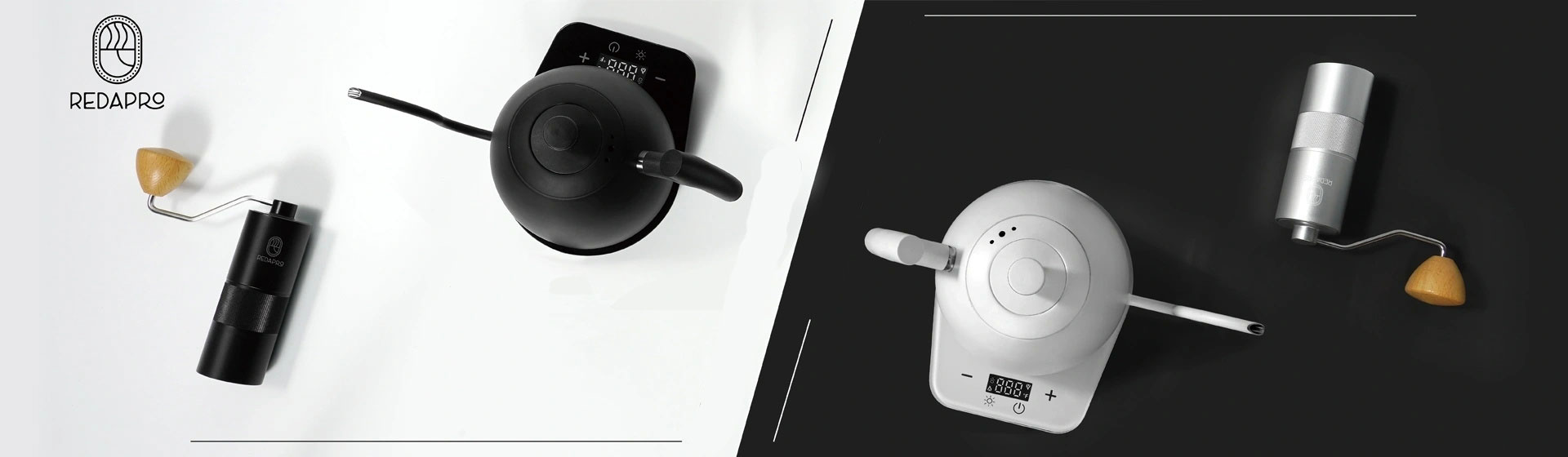
Electric Kettles are known for one thing above all—speed. They can bring water to a rolling boil in just a few minutes, far faster than using a stove or microwave. But have you ever wondered how electric kettles heat so fast compared to other appliances?
The answer lies in their design efficiency, direct heating mechanism, and smart electrical engineering. In this article, we’ll explain how Electric Kettles achieve rapid heating, what components make them so efficient, and how modern designs like JMREDA Electric Kettles enhance both speed and energy savings.
Unlike stoves that heat through a pot or microwaves that excite water molecules indirectly, electric kettles use direct contact heating.
At the bottom of every kettle is a metal heating element—usually made from stainless steel or nichrome (nickel-chromium alloy). When electricity flows through this element, electrical resistance converts energy directly into heat.
Because the heating element sits in direct contact with the water, there’s minimal energy loss, allowing the kettle to heat far more efficiently and rapidly than stovetop methods.
Another reason kettles heat so quickly is their high wattage rating.
Most standard electric kettles operate between 1,500 and 3,000 watts, depending on regional voltage standards. Higher wattage means more electrical energy is converted into heat per second.
| Kettle Power | Typical Voltage | Boiling 1L of Water | Energy Efficiency |
|---|---|---|---|
| 1,200W | 120V | 5–6 minutes | Moderate |
| 1,800W | 120V | 3–4 minutes | Good |
| 2,400W | 220–240V | 2–3 minutes | Excellent |
The greater the wattage, the faster the kettle can transfer heat into water molecules. This high energy throughput is the secret behind fast boiling performance.
Modern electric kettles are engineered for uniform heat transfer.
The flat stainless-steel bottom ensures even distribution, so every part of the water heats simultaneously rather than forming hot spots.
Additionally, convection currents naturally occur as water warms—hot water rises, cool water sinks—helping to circulate the liquid and maintain consistent heating throughout the kettle.
This results in efficient and even boiling, preventing wasted energy or uneven temperature gradients.
The compact, enclosed structure of an electric kettle plays a crucial role in heating speed.
Because kettles are small and tightly sealed, they retain heat much better than open pots or pans. The lid and body trap steam, reducing heat loss to the surrounding air and directing thermal energy back into the water.
The reduced air exposure allows the kettle to reach boiling temperature faster while consuming less electricity.
Modern electric kettles integrate thermostats and sensors that automatically detect when the water reaches 100 °C (212 °F).
This not only prevents overheating but also optimizes energy use by shutting off power the moment boiling is achieved. The thermostat ensures that every joule of energy goes toward heating water—no excess power is wasted.
This precise control is one of the key innovations that separate electric kettles from conventional boiling methods.
Older kettles had exposed coils that required cleaning and were less energy-efficient. Modern designs feature concealed heating elements sealed beneath a metal base plate.
Benefits include:
Faster heat transfer due to closer contact with water.
Easier cleaning and less limescale buildup.
Better durability, as the element is protected from corrosion.
By integrating the heating element seamlessly into the base, the kettle can deliver rapid and consistent heating without risk of overheating or electrical damage.
The science behind fast boiling lies in electrical resistance heating.
When current passes through the metal coil:
The electrons encounter resistance in the metal.
This resistance converts electrical energy into heat.
The heat flows instantly into the metal plate and then into the water above.
This process happens almost instantly because the distance between the energy source and the water is minimal—there’s no need to heat air, cookware, or any intermediate layers.
Electric kettles are among the most energy-efficient appliances for heating water.
| Heating Method | Efficiency | Boiling Time for 1 L | Notes |
|---|---|---|---|
| Electric Kettle | 80–90 % | 3–4 min | Direct energy transfer |
| Gas Stove | 40–50 % | 6–8 min | Energy lost to air & cookware |
| Microwave | 55–65 % | 5–7 min | Uneven heating |
| Induction Cooker | 70–80 % | 4–6 min | Moderate energy loss |
The closed system and direct heating make electric kettles far superior in speed and efficiency, turning nearly all electrical energy into usable heat.
JMREDA electric kettles are designed with advanced engineering that maximizes both speed and energy efficiency.
Core innovations include:
High-efficiency concealed heating element for fast boiling.
Optimized thermal insulation structure to reduce energy waste.
Smart thermostat and boil-dry protection for safety.
Seamless stainless-steel interior for better heat distribution.
Energy-saving auto shut-off system to prevent overuse.
These design features ensure every JMREDA kettle boils water quickly, safely, and efficiently—perfect for both home and office use.
Boil only the amount of water you need. Less water means shorter boiling time.
Keep the heating plate clean. Limescale reduces thermal conductivity.
Use warm tap water instead of cold to reduce preheating time.
Always close the lid tightly to prevent heat loss.
Descale monthly to maintain maximum efficiency.
Following these steps keeps your kettle performing like new and maintains rapid heating performance.
So, how do electric kettles heat so fast? It’s the combination of high wattage, direct contact heating, efficient thermal design, and smart temperature control that allows them to boil water in minutes.
By converting nearly all electrical energy directly into heat within a sealed, compact space, electric kettles outperform every other boiling method in both speed and energy savings.
With precision engineering and thoughtful design, JMREDA electric kettles deliver fast, efficient, and reliable boiling—making your daily tea or coffee preparation easier and more enjoyable than ever.