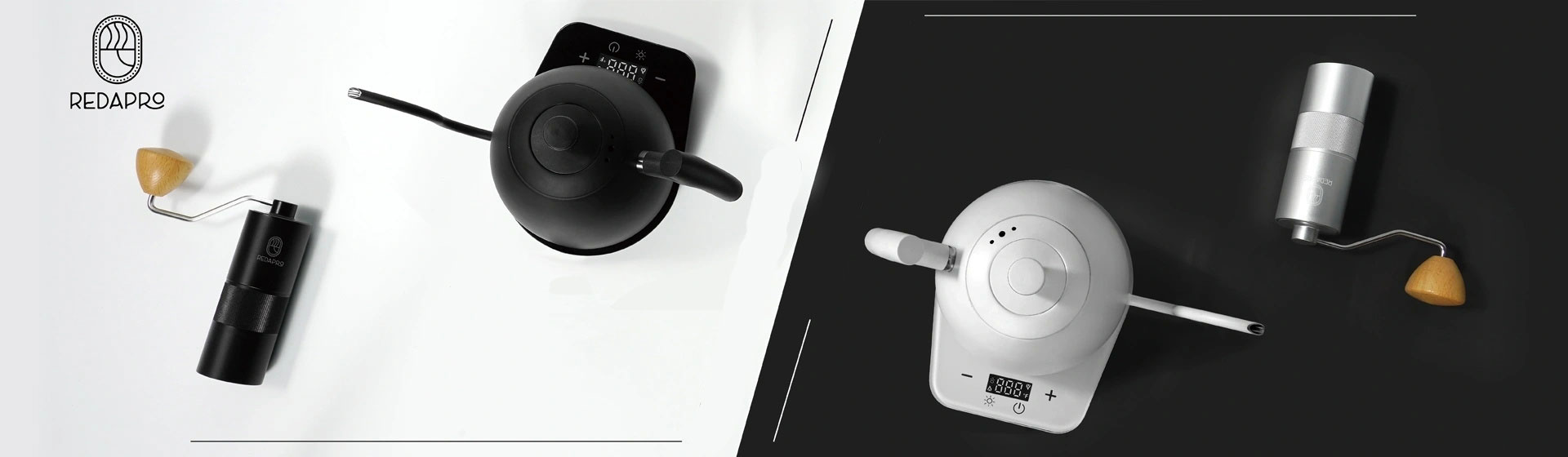
Electric Kettles have become one of the most reliable and efficient kitchen appliances. You simply fill them with water, press a button, and within minutes the kettle switches off automatically once boiling is complete. But have you ever wondered how an electric kettle knows when to turn off?
The answer lies in a clever combination of physics, temperature sensing, and mechanical engineering. This automatic shut-off system ensures safety, energy efficiency, and convenience, preventing overheating and dry-boiling.
In this article, we’ll break down the science behind it—how a kettle detects boiling, what components make it work, and why it’s one of the smartest safety features in modern appliances.
To understand how a kettle knows when to turn off, we first need to look at what happens when water boils.
Water boils at 100 °C (212 °F) under normal atmospheric pressure. At this point, it changes from liquid to steam. This steam—and the rise in temperature and pressure—is what triggers the kettle’s shut-off mechanism.
The kettle doesn’t detect “boiling water” directly. Instead, it senses steam and heat movement inside the chamber, which are strong indicators that the water has reached its boiling point.
At the heart of every Electric Kettle is a bi-metallic thermostat switch—a small device made of two different metals bonded together. These metals expand at different rates when heated.
Here’s how it works:
As the kettle heats, water temperature rises and steam begins to form.
Steam travels through a narrow channel or tube from inside the kettle toward the thermostat, which is usually positioned near the handle or switch.
When steam reaches the thermostat, its heat causes the bi-metal strip to bend.
This bending motion triggers the switch that cuts off electrical power to the heating element.
This process happens almost instantly once boiling begins, allowing the kettle to stop automatically.
Steam plays a vital role in how the kettle “knows” when to turn off.
When the water boils:
The pressure inside the kettle increases slightly.
Steam rises and travels through the designed channel toward the switch housing.
The hot steam heats the thermostat rapidly, causing it to flex and break the circuit.
Once power is cut, the heating element cools down, and the kettle stays off until you press the switch again.
This method ensures precise timing—the kettle turns off right when boiling occurs, not before or after.
After the automatic shut-off is triggered:
The power to the heating element is disconnected.
The thermostat begins to cool and eventually returns to its original shape.
The kettle remains off until manually reset (usually by pressing the switch again).
This simple yet effective cycle allows you to boil water safely, repeatedly, and efficiently, without needing to watch over it.
Modern kettles include an extra layer of safety called boil-dry protection. This system prevents the kettle from operating without water inside.
Here’s how it works:
If there’s no water, the heating element’s temperature rises quickly because there’s nothing to absorb the heat.
A secondary thermostat or thermal fuse detects the rapid temperature increase.
It automatically cuts off power before the kettle can overheat or cause damage.
This protects both the kettle and the user, ensuring long-term reliability and safety.
Some Electric Kettles feature variable temperature settings (e.g., 70 °C, 85 °C, 100 °C). These models use electronic sensors that monitor water temperature in real time.
When the target temperature is reached, the system automatically cuts power instead of waiting for full boiling. This provides precise control for different beverages—like green tea or pour-over coffee—without manual monitoring.
While the mechanism differs slightly, the core principle remains the same: heat detection and automatic switch-off.
The automatic shut-off feature doesn’t just make kettles safer—it also makes them more energy-efficient.
No wasted heating: Power stops immediately once boiling is achieved.
No overheating: The kettle doesn’t continue to use energy unnecessarily.
Faster cooling: Helps protect components and extends the kettle’s lifespan.
Compared to traditional stovetop boiling, this system reduces energy consumption by up to 30–40%, making electric kettles a smart choice for eco-conscious users.
JMREDA electric kettles are designed with advanced thermal control and safety mechanisms to ensure reliable automatic operation every time.
Key features include:
High-sensitivity thermostat for precise temperature detection.
Boil-dry and overheat protection to prevent damage.
Sealed stainless-steel heating plate for consistent heat transfer.
Energy-saving circuitry that cuts off power the moment boiling is detected.
Ergonomic safety switch that resets easily after cooling.
These systems guarantee both speed and safety, giving users peace of mind with every boil.
If your electric kettle doesn’t shut off automatically, the following might be the cause:
The thermostat sensor is blocked by limescale—clean the spout and lid area.
The steam channel is clogged, preventing steam from reaching the sensor.
The switch mechanism is worn out after long-term use.
Regular cleaning and descaling help maintain the kettle’s accuracy and safety performance.
Descale monthly using vinegar or lemon juice to remove mineral buildup.
Keep the lid and spout area clean so steam can reach the thermostat freely.
Avoid overfilling or underfilling the kettle.
Let it cool before refilling to prevent condensation in the switch area.
Do not tamper with the switch mechanism—it’s precisely calibrated for safety.
These simple habits ensure your kettle always shuts off on time and functions efficiently.
So, how does an electric kettle know when to turn off? It uses a smart mechanical system centered around a bi-metallic thermostat, activated by steam and heat when water reaches boiling point.
This automatic shut-off feature ensures your safety, prevents dry-boiling, and saves energy—all while making your daily boiling experience effortless.
With JMREDA’s advanced temperature control and safety engineering, every kettle operates with precision—boiling water quickly, shutting off automatically, and delivering years of dependable performance.