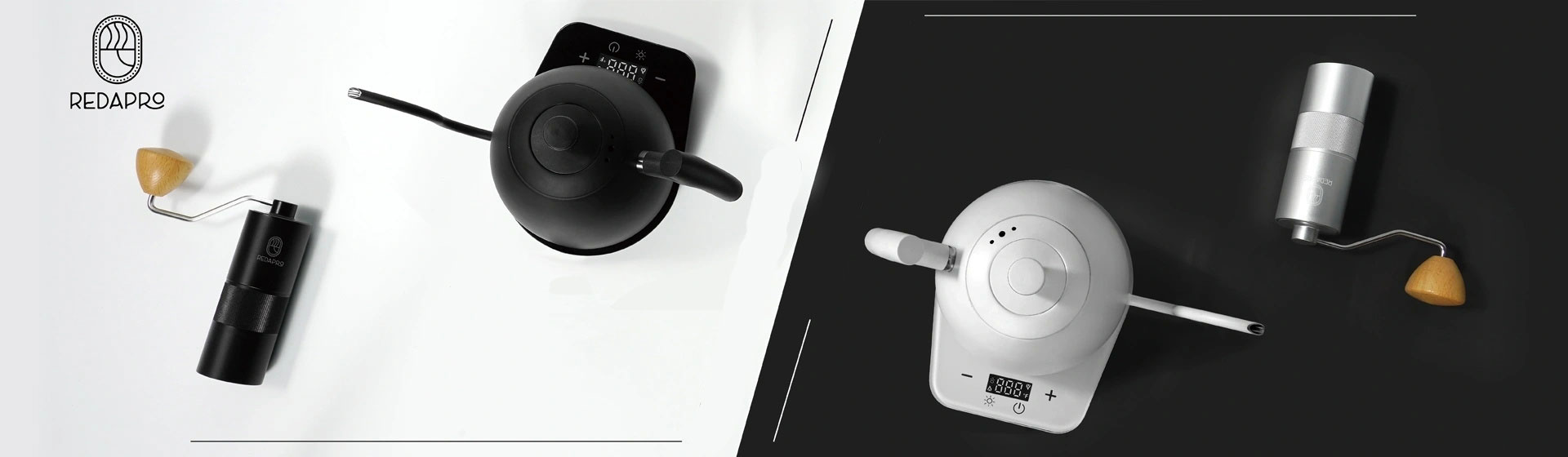
Electric Kettles are designed to heat water rapidly and consistently, making them a staple in homes, offices, hotels, and cafés. The maximum temperature an electric kettle can reach depends on its heating mechanism, safety controls, and intended use. Most consumer Electric Kettles heat water close to boiling, while specialized models may operate at specific preset temperatures for tea brewing or coffee preparation.
A standard electric kettle heats water up to the boiling point, which is around 100°C (212°F) at sea level.
Altitude: Higher elevation lowers the boiling temperature
Water purity: Impurities can slightly raise or lower boiling temperature
Kettle design: Efficiency of the heating element affects heating speed but not the final temperature
No matter the power rating—600W, 1000W, 1500W, or 2000W—most kettles shut off automatically once water reaches boiling.
Many modern kettles include preset temperature controls.
40–50°C: Warm water for baby formula
60°C: Delicate white teas
70–80°C: Green tea
85–90°C: Oolong tea
95°C: Pour-over coffee
100°C: Full boiling for black tea, instant food, sterilization
These kettles use thermostats and sensors to maintain specific water temperatures, offering more precision compared to standard boiling kettles.
Electric kettles with a keep-warm mode maintain water temperature between 40°C and 90°C, depending on user settings.
Built-in temperature sensors
Energy-efficient reheating cycles
PID controllers in high-end models
These functions are ideal for households or cafés that require hot water throughout the day.
Some kettles designed for commercial or industrial use can operate differently.
Commercial boiling kettles: Maintain boiling temperatures continuously
Laboratory kettles: May heat water slightly above boiling under pressure
Travel kettles: Smaller capacity, but still reach 100°C
However, all household kettles follow safety regulations limiting temperatures to avoid overheating.
Electric kettles do not exceed boiling temperature because of safety mechanisms.
Thermal cutoff switches
Steam sensors
Automatic shut-off technology
Boil-dry protection
Once the water reaches boiling and steam rises to the sensor, the power cuts off to prevent damage.
The wattage of a kettle affects how fast it reaches boiling—not the maximum temperature.
600–800W: Slower boil, common in travel kettles
1000–1500W: Standard home kettles
1800–2200W: Fast-boil kettles
Regardless of power, once the water reaches its boiling point, heating stops automatically.
Higher altitudes lower atmospheric pressure, reducing the water’s boiling temperature.
At 2000 meters elevation: water boils at ~93°C
At 3000 meters elevation: water boils at ~90°C
This means in high-altitude regions, kettles will boil water at lower temperatures.
Most users rely on kettles for multiple purposes:
Making black tea: ~100°C
Preparing green tea: 70–85°C
Brewing coffee: 90–96°C
Making instant noodles: 95–100°C
Warming baby water: 40–50°C
Modern kettles with temperature control can target each range precisely.
Electric kettles typically heat water up to 100°C (212°F) at sea level, the standard boiling point. While the actual temperature may vary depending on altitude and model design, household kettles are engineered to shut off automatically once boiling is reached. Advanced models offer preset temperature controls for specialized brewing needs, while commercial kettles are designed for continuous boiling. Understanding these temperature ranges helps users choose the most suitable kettle for home, office, or professional use.