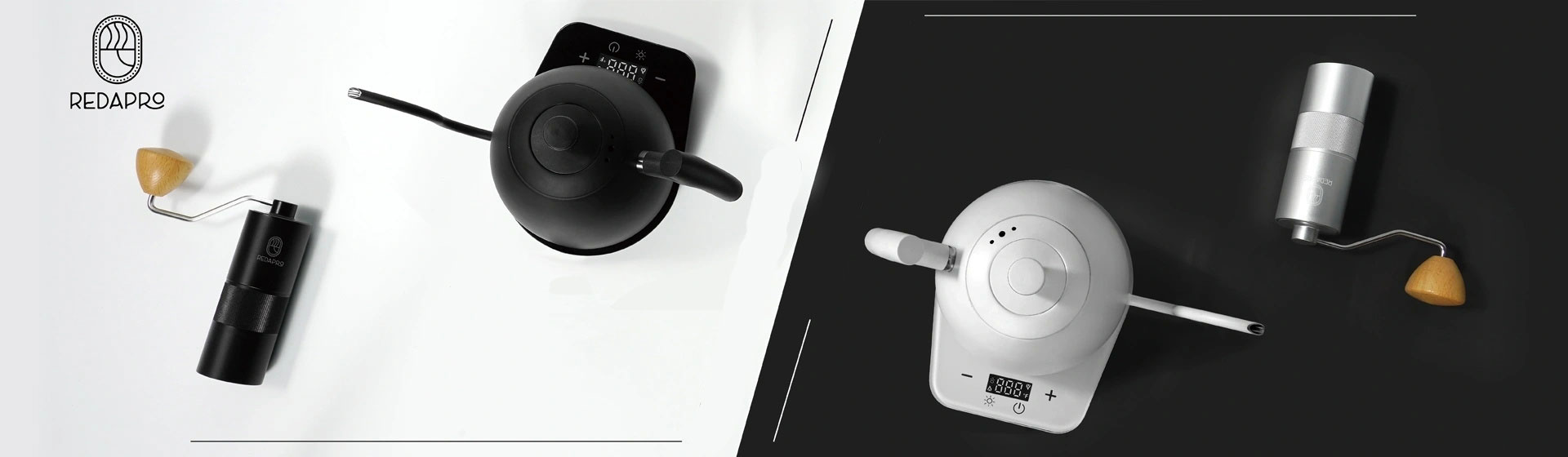
The lifespan of an electric kettle varies depending on build quality, heating components, material thickness, and usage frequency. In most households and commercial environments, a well-constructed kettle typically lasts between three to five years. However, models manufactured with thicker stainless steel walls, reinforced heating plates, and multi-layer protection systems demonstrate significantly longer service life. Regular maintenance practices such as descaling and proper storage can further extend longevity.
The heating element determines how consistently the kettle performs over time. Continuous exposure to high temperatures, mineral deposits, and rapid heating cycles can stress the element. High-quality kettles use nickel-chromium alloys that withstand repeated thermal expansion without deformation, ensuring stable heating efficiency across years of operation.
Kettles built with stainless steel or heat-resistant borosilicate glass provide stronger resistance against corrosion and staining. Stainless steel kettles generally maintain structural integrity longer because the walls do not warp under high heat. Kettles made from lower-grade plastics are more prone to discoloration, cracking, or taste contamination over extended use.
Daily or multiple-times-per-day use naturally shortens the service life. Repeated boil cycles increase thermal stress, particularly if the kettle is filled improperly or used to heat water containing high mineral content. Homes or workplaces with heavy consumption may require kettles with enhanced thermal control systems or commercial-grade heating plates.
Hard water accelerates mineral buildup on both the inner chamber and heating plate. Limescale accumulation reduces heating efficiency and increases the risk of overheating. Kettles used in regions with high calcium levels may require descaling every two to three weeks to preserve long-term performance.
A noticeable delay in boiling times often indicates mineral buildup or deteriorating heating components. If descaling does not restore speed, the element may be weakening.
Faulty thermostats or compromised sensors can prevent the kettle from shutting off at the boiling point. This is a safety concern and a strong indicator that the unit is reaching the end of its lifespan.
Persistent metallic smells, rust spots, or water discoloration signify material degradation. Stainless steel kettles showing internal pitting or scaling damage may need replacement.
Louder boiling noise or irregular vibrations suggest internal wear. The heating plate may be suffering from uneven thermal distribution, often caused by mineral residue or weakening structure.
Removing mineral deposits using a vinegar-water mixture or citric acid solution helps keep the heating plate clean. Depending on water hardness, cleaning every two to six weeks maintains efficient operation.
Avoid operating the kettle with insufficient water, as this causes the heating element to work under stress. Filling above the minimum line ensures even heating and prevents thermal overexertion.
Repeatedly reheating small volumes of water strains the thermostat and heating element. Heating only what is needed reduces wear.
Keeping the kettle in a moisture-free location prevents oxidation of metal components. Ensuring the lid remains open after use can help air dry the inner chamber.
When safety features stop working reliably or physical deterioration begins to affect water quality, replacement is recommended. Any signs of electrical issues such as flickering power indicators or unstable connections should prompt immediate discontinuation of use. For users requiring long-term reliability, choosing kettles made with high-grade stainless steel, multi-layer temperature control, and reinforced heating plates ensures a longer operational lifespan.