Electric Kettles are designed as on-demand appliances, meaning they only actively consume power when heating water. In most cases, a Kettle that is plugged in but not switched on does not draw significant electricity. The internal circuitry remains idle until the power switch is engaged, and the heating element does not activate without direct user input. As a result, a typical kettle exhibits near-zero standby power usage in normal household environments.
Some kettles include small indicator lamps that stay illuminated when the kettle is connected to power. These components draw a minimal amount of electricity, generally measured in fractions of a watt. The actual consumption is so low that it has little impact on long-term energy costs.
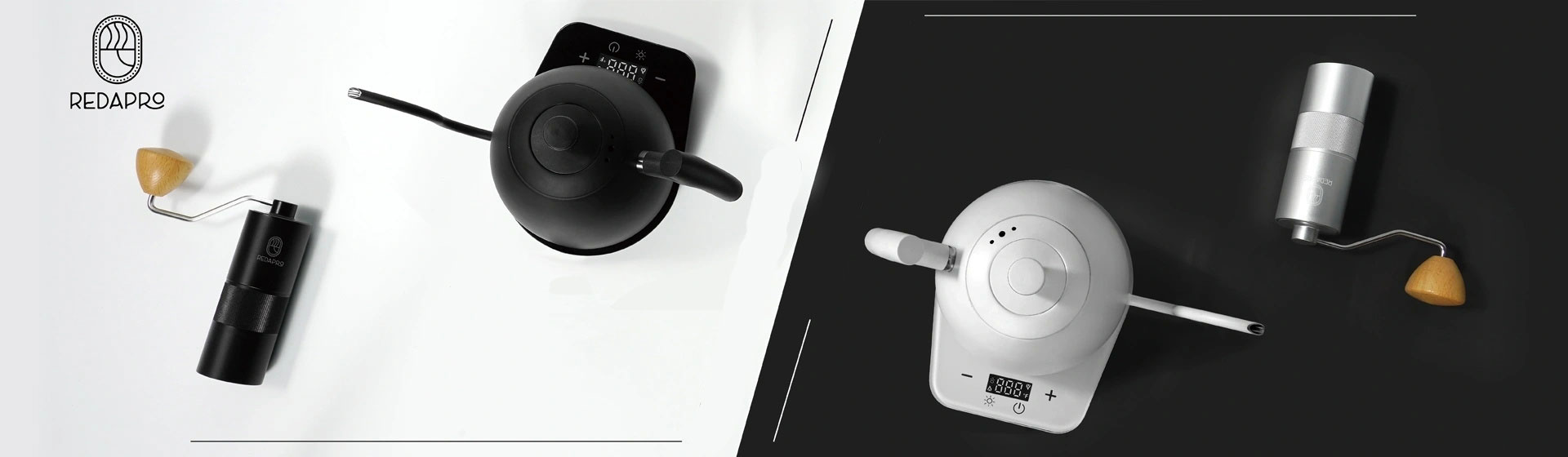
Certain modern kettles feature digital controls, keep-warm modes, or microprocessor-powered temperature presets. These advanced systems can draw a small amount of standby electricity to maintain internal readiness. Power consumption under these settings remains far below the active boiling usage but is higher than traditional mechanical kettles.
The heating element inside an electric kettle activates only when the main power switch completes the circuit. When the kettle is plugged in but not switched on, the element remains inactive. There is no heat generation, no current flow through the element, and no cycle of energy consumption. This design ensures operational safety and prevents unnecessary electrical load.
Mechanical thermostats do not consume power in standby mode. They operate only when triggered by heat during boiling.
Auto shut-off functions rely on temperature and steam detection rather than electrical consumption. These mechanisms activate only when water reaches boiling, requiring no electricity beforehand.
Some kettles include optional keep-warm features. When activated, these modes maintain water at a specific temperature and draw intermittent power. If the kettle has this function, electricity is consumed only during active maintenance cycles, not merely by being plugged in.
traditional kettles contribute negligibly to total home energy consumption when left plugged in. The active energy draw occurs only during heating, which lasts a few minutes per cycle. Users who boil water multiple times a day may see energy usage from frequent boil cycles, but not from idle periods.
Unplugging the kettle when not in use eliminates even the minor standby costs associated with indicator lights or digital panels. This practice can contribute to overall household efficiency, especially in homes with multiple appliances.
If a kettle will not be used for several days, unplugging helps maintain better long-term safety and eliminates any residual standby draw.
Removing the plug ensures safe handling when descaling, wiping, or inspecting internal components.
Older electrical systems may benefit from reduced load when high-wattage appliances are disconnected between uses.
When plugged in but switched off, most kettles consume no meaningful electricity. Exceptions occur with models that include active indicator lights or digital control circuits, which may draw a minimal amount of standby power. Overall, kettles are highly efficient in idle mode, and any measurable energy usage comes primarily from heating cycles rather than passive connection to the outlet.