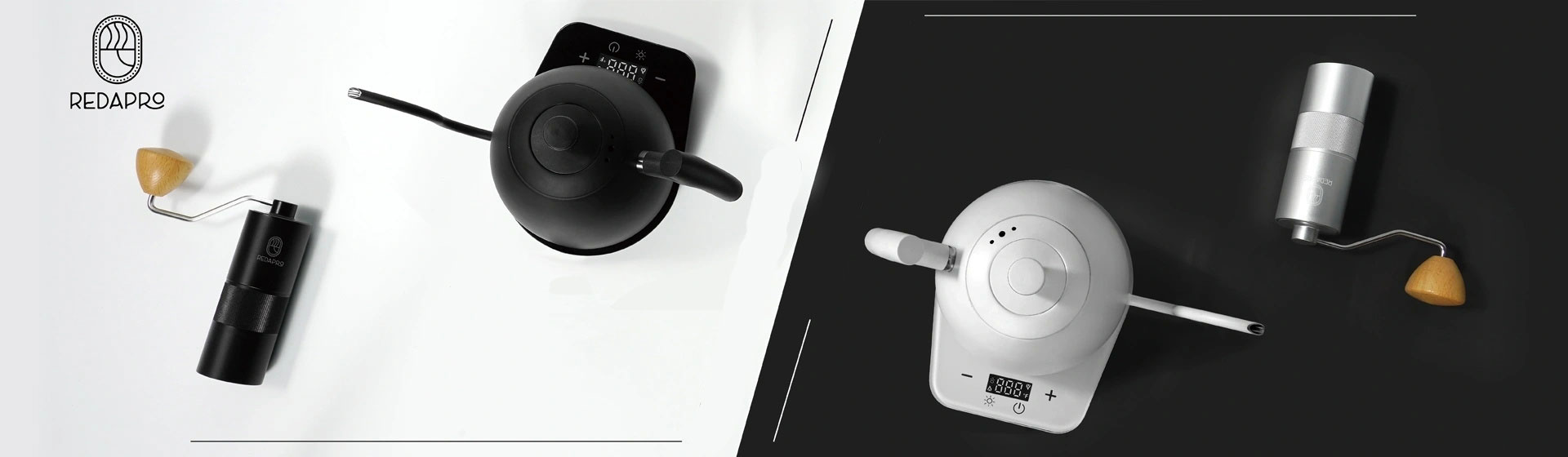
Rapid boil kettles are designed with higher wattage heating elements and improved thermal transfer surfaces that bring water to a boil in significantly less time than standard models. Instead of heating water slowly over a prolonged period, these kettles concentrate power output to achieve faster results. The key question is whether shorter boiling time actually translates into lower electricity consumption, and how this performance compares to traditional kettles during daily use.
Rapid boil kettles typically operate at 2000W to 3000W, compared with 1200W to 1500W for standard kettles. While the wattage is higher, energy usage depends on both power and time. Because rapid boil kettles reduce heating duration, the total energy consumed for a full boil may be equal to or lower than that of slower kettles.
Energy use can be evaluated with the basic formula:
Energy (kWh) = Wattage × Time (hours).
A standard 1500W kettle may take four minutes to boil water, while a 3000W rapid boil kettle may take two minutes. The energy required to bring the same volume of water to boiling temperature remains nearly constant, meaning the rapid boil kettle’s shorter operation time often compensates for its higher power level.
Rapid boil kettles transfer heat to the water more quickly, reducing heat loss through the outer walls, steam, and air. The longer a kettle operates, the more thermal energy escapes into the environment. Shorter boil cycles therefore improve efficiency and reduce wasted energy.
Many rapid boil kettles incorporate flat stainless steel heating plates or concealed elements with enhanced thermal conductivity. These components achieve more consistent heat distribution, improving the water’s absorption efficiency. This design helps reduce energy loss and may outperform older coil-based models.
Regardless of kettle type, boiling more water than necessary leads to higher energy use. Rapid boil kettles tend to encourage users to heat only the required volume because the minimum fill lines are precise and the rapid performance reduces waiting time. This behavioral advantage can contribute to overall energy savings.
Smaller water batches boil quicker in rapid boil kettles, amplifying the energy-saving effect. Large quantities show less difference because total energy required to heat a liter of water remains constant, though faster kettles still lose less heat during the process.
In practical household use, rapid boil kettles often use slightly less electricity per boil because of reduced operation time and lower heat loss. Frequent users who boil water several times a day may see cumulative savings over time.
Energy efficiency can vary among manufacturers due to differences in heating plate design, insulation quality, and material thickness. High-quality kettles with strong thermal retention properties typically outperform basic models.
Rapid boil kettles often include more accurate temperature sensors and steam-triggered auto shut-off systems, preventing over-boiling. This eliminates unnecessary energy consumption and improves safety.
Some models include insulated double-wall structures that keep water hot for longer. This reduces the need for reheating, which further lowers energy use.
If used frequently, keep-warm functions can offset any energy saved during the boiling phase. Users who activate these modes continuously may experience higher electricity consumption overall.
If users boil water multiple times unnecessarily, the energy advantage of rapid boil technology diminishes. Efficiency relies on controlled and intentional usage.
In most everyday situations, rapid boil kettles do save electricity. Their higher wattage is offset by significantly shorter boiling times, reduced heat loss, and efficient thermal transfer. When paired with proper usage practices—such as boiling only the amount of water required—these kettles provide an energy-efficient alternative to standard models, particularly for frequent users who rely on quick heating performance.