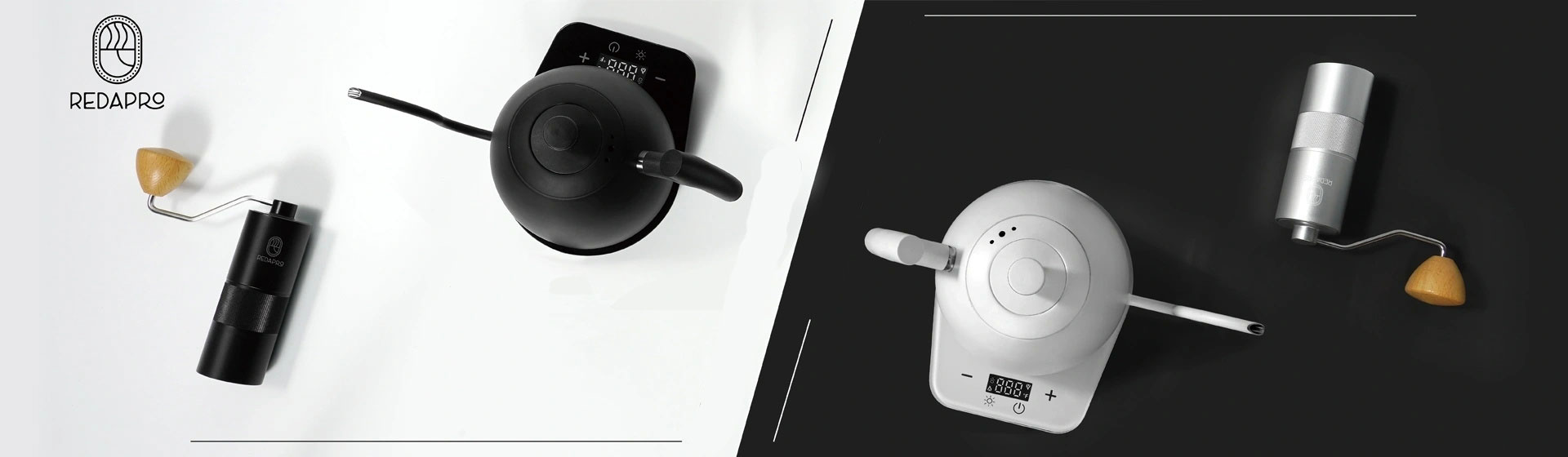
Maintaining an Electric Kettle ensures consistent heating performance, extends its service life, and keeps the water quality safe for daily use. Regular care reduces mineral buildup, protects the heating element, and prevents issues such as slow boiling, unpleasant odors, or malfunctioning auto shut-off systems. A properly maintained Kettle delivers faster boiling and remains reliable across years of use.
After each use, pouring out any remaining water and briefly rinsing the interior helps prevent mineral deposits from forming. Allowing stale water to sit in the chamber can introduce odors or lead to residue buildup, especially in regions with hard water.
Leaving the lid open after rinsing promotes natural air circulation inside the kettle. This reduces moisture accumulation, which can otherwise cause odor, corrosion, or microbial growth over time.
Limescale builds up when calcium and magnesium in hard water stick to the heating plate and internal walls. To remove it effectively, a mixture of vinegar and water or a citric acid solution can be used. Heating the mixture inside the kettle, allowing it to sit for 20 to 30 minutes, and then rinsing thoroughly helps restore the surface. Descaling every two to six weeks is recommended, depending on water hardness.
For kettles with thick or uneven limescale layers, repeating the descaling process may be necessary. Using a soft sponge or non-abrasive cloth to wipe the loosened deposits helps avoid scratching the inner surface. Heavy buildup is common in kettles frequently used with untreated groundwater.
Operating the kettle with too little water increases stress on the heating element. Always filling the kettle above the minimum level ensures even heat distribution. Consistently boiling very small quantities may shorten the lifespan of the element.
Modern kettles include boil-dry protection, but relying on this feature repeatedly is not recommended. Dry boiling superheats the element and can lead to permanent damage. Ensuring water is always present before starting a boil prevents strain on internal components.
The exterior of stainless steel or plastic kettles should be wiped regularly to remove fingerprints, stains, or residue. Using mild dish soap when necessary helps maintain a clean appearance. Avoid soaking the outside or exposing the base to water to protect electrical components.
Moisture on the power base can cause corrosion or affect electrical contacts. After spillages or condensation, the base should be dried thoroughly before reconnecting the kettle.
Allowing the kettle to boil with the lid open or overfilled can release excess steam and affect the shut-off mechanism. Ensuring the lid is properly closed helps sensors function correctly and maintain safety.
If the kettle fails to shut off automatically or shuts off prematurely, mineral buildup around the steam sensor may be the cause. Cleaning this area during descaling helps restore correct function.
Many kettles include removable mesh filters or spout screens. These components trap minerals and impurities, and should be rinsed weekly under running water. If the filter becomes discolored, soaking it in a vinegar solution can help restore it.
A blocked filter slows water flow and may interfere with boiling efficiency. Ensuring the filter remains clear supports smooth operation and consistent pour performance.
If the kettle will be unused for several days, emptying and drying it completely prevents odor buildup. For long-term storage, placing it in a dry environment helps protect internal components from moisture damage.
Abrasive brushes or steel wool can scratch both stainless steel and coated surfaces, leading to long-term corrosion. Using soft tools preserves the kettle’s interior and extends its usable life.
Regular maintenance supports faster heating, consistent energy consumption, and a longer operational lifespan. Clean internal surfaces improve heat transfer, and a well-functioning auto shut-off system enhances safety. With consistent care, an electric kettle remains dependable across years of daily use, providing efficient and safe boiling whenever needed.
Previous: How To Recycle Electric Kettle