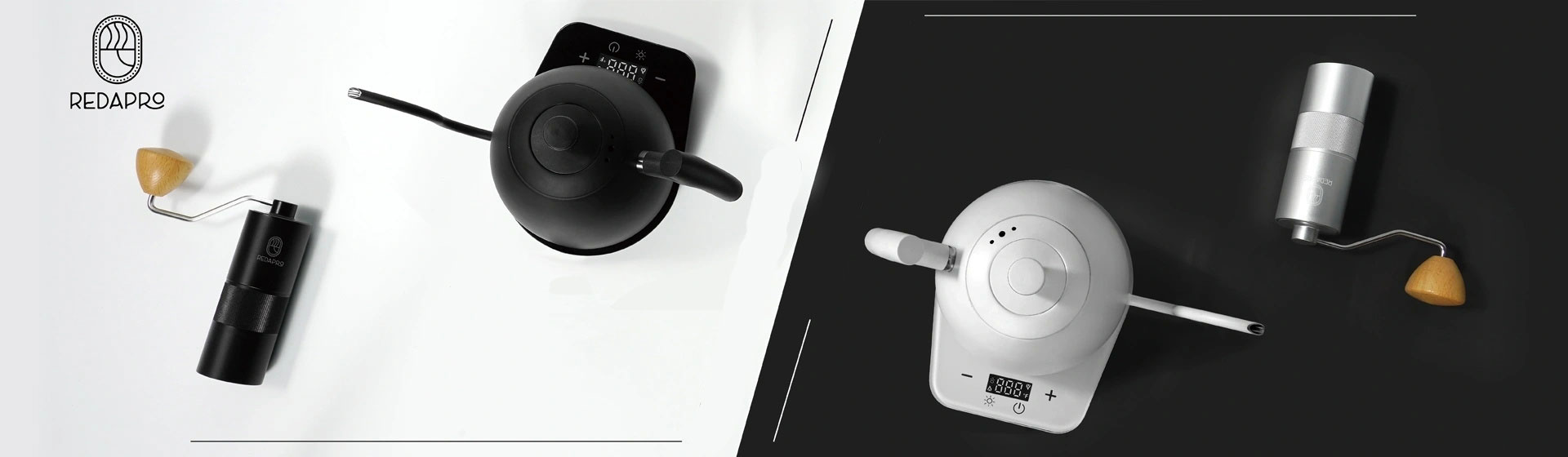
Electric Kettles contain a combination of metal, plastic, electronic components, and heating elements, making them unsuitable for disposal with regular household waste. Proper recycling protects the environment, recovers valuable materials, and ensures that electrical components do not end up in landfills. Recycling also reduces energy consumption by reintroducing metal components into manufacturing cycles rather than extracting new raw materials.
Most kettles include stainless steel inner chambers, exterior shells, screws, and heating plates that can be recovered and processed for reuse. These components offer high recycling value due to their durability and purity.
Heat-resistant plastic components can be separated and repurposed into new consumer products. Sorting plastic materials by type ensures they are correctly handled by recycling facilities.
The kettle’s temperature sensor, auto shut-off switch, indicator lights, and wiring contain small amounts of copper and electronic-grade materials. Specialized facilities process these parts safely to prevent environmental contamination.
Before recycling, detachable components such as filters, lids, and removable screens should be separated. Sorting the kettle into major material groups accelerates handling at recycling centers.
Rinsing the interior and wiping the exterior ensures that dirt or residue does not contaminate the recycling stream. Although not mandatory, clean items improve processing efficiency.
Local e-waste centers accept small household appliances, including Electric Kettles. These facilities are equipped to dismantle and process metal and electronic components correctly.
Many regions provide scheduled collection services for electronic waste. Households can drop off small appliances at designated depots during collection days.
Some appliance retailers and electronics stores offer trade-in or take-back services. These programs ensure that kettles enter professional recycling channels rather than regular waste streams.
Disposing of kettles improperly contributes to plastic waste and releases harmful substances from electronic components. Recycling reduces this burden by diverting waste from landfills.
Stainless steel, copper wiring, and heating elements can be melted and reused in manufacturing. This reduces energy consumption and decreases reliance on new raw materials.
Recycling metals requires far less energy than mining and refining. This contributes to lower industrial emissions and supports global sustainability efforts.
Kettles should never be thrown into normal trash bins because of the embedded electronics. Proper recycling complies with environmental regulations and prevents hazardous substances from entering the soil or water systems.
If the kettle has electrical damage, burn marks, or melted components, it should be delivered directly to an e-waste center. These facilities can manage compromised materials safely.
The detachable power base contains wiring and contact points and should be recycled as electronic waste. Leaving it connected to the kettle may complicate processing.
Using a small screwdriver, users can remove screws to separate the housing. Metal components go to metal recycling, while plastics are grouped accordingly.
Temperature sensors and internal circuitry should not be broken or crushed. Facilities handle intact components more effectively and safely.
When replacing a kettle, choosing stainless steel or high-quality glass models extends lifespan and reduces the frequency of replacement. Appliances with efficient heating systems also contribute to energy savings.
If the kettle has minor issues such as a loose lid or worn filter, basic repairs may extend usability. Only kettles beyond repair should move to the recycling process.
Recycling Electric Kettles ensures safe handling of metals, plastics, and electronic components. By separating materials, using approved recycling channels, and avoiding regular waste disposal, households support environmental protection and resource conservation. Proper recycling practices reduce landfill waste, lower industrial energy use, and contribute to a cleaner, more sustainable living environment.