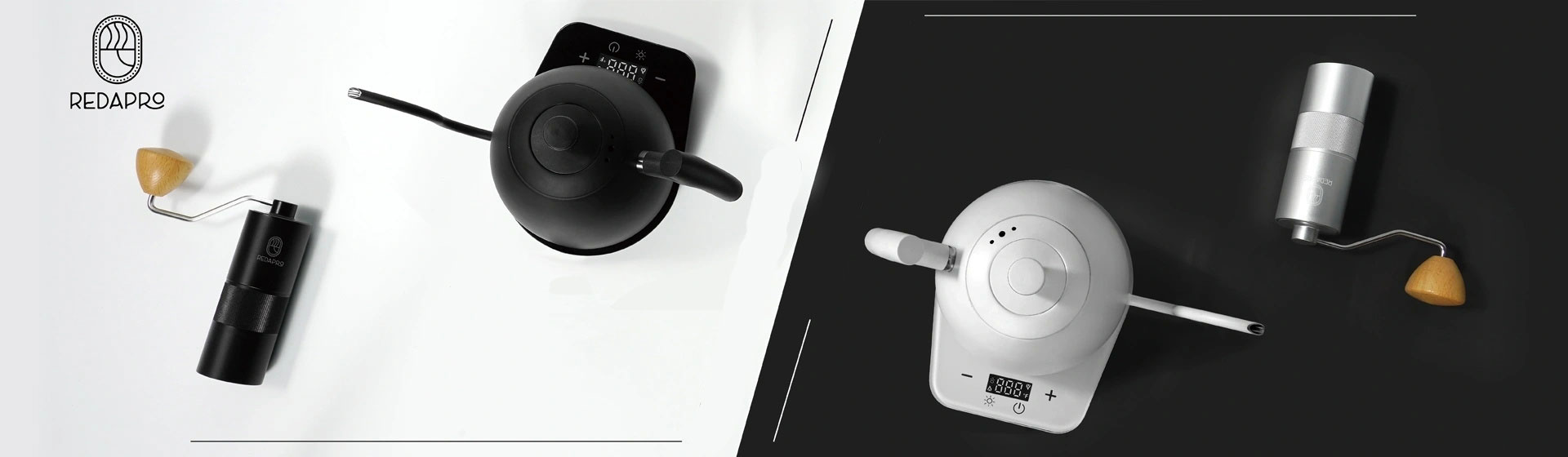
Brown stains inside an Electric Kettle usually develop from mineral deposits, tea residue, or iron content in the water supply. Hard water contains calcium, magnesium, and trace metals that react with heat, forming limeScale and discoloration over time. These stains affect both the appearance of the Kettle and its heating performance, making regular cleaning essential for efficiency and hygiene.
White vinegar is one of the most effective solutions for removing mineral-based brown stains. Mixing equal parts of vinegar and water creates a mild acid solution that loosens deposits without damaging the kettle. Filling the kettle halfway with this mixture and heating it until warm—not boiling—helps soften the stains.
After warming the vinegar solution, unplug the kettle and allow it to sit for 20 to 30 minutes. This soaking period dissolves stubborn deposits along the interior walls and heating plate. Rinse thoroughly with clean water afterward to remove residual odor.
Lemon juice contains natural citric acid, which is effective for removing brown discoloration caused by mineral buildup. Adding the juice of one or two lemons into a kettle of water and heating it helps break down stains.
After heating, let the solution rest before pouring it out. Wipe the interior with a soft sponge, then rinse multiple times to eliminate lemon residue. This method also leaves a fresh, clean scent inside the kettle.
Baking soda works well when brown stains are thick or uneven. Mixing a small amount of baking soda with water forms a mild paste that can be gently applied with a non-abrasive cloth. This helps remove stains without scratching the stainless steel surface.
For deeper cleaning, sprinkle baking soda inside the kettle and then add warm vinegar. The bubbling reaction helps lift deposits from the surface. After the reaction finishes, rinse thoroughly.
If the brown stains are from tea or coffee residue rather than minerals, filling the kettle with warm, soapy water can help loosen organic buildup. Allowing the mixture to sit briefly before wiping with a soft sponge helps restore the interior surface.
Steel wool and harsh scrubbing pads can damage stainless steel surfaces, causing scratches that trap more residue. Using soft, non-abrasive tools preserves the kettle’s interior finish.
Citric acid powder is a concentrated cleaning agent suitable for kettles with thick brown limescale layers. Adding one tablespoon of citric acid to warm water and heating it in the kettle dissolves stubborn deposits. Allow the solution to sit for 15 to 20 minutes before rinsing.
Specialty kettle descaling products are available for treating difficult mineral stains. These solutions are formulated for stainless steel and heating plates, ensuring effective cleaning without harming components.
Performing a descaling routine every two to six weeks helps maintain a clean interior. Households with hard water may need more frequent cleaning to prevent buildup.
Leaving water inside the kettle encourages mineral deposits to settle and harden. Emptying and lightly rinsing the kettle after each boil reduces residue accumulation.
Filtered or softened water contains fewer minerals, reducing the likelihood of brown stains forming. This also supports longer heating element lifespan.
Avoiding boiling dry is important, as it can cause discoloration and uneven heating plate formation. Ensuring the kettle always contains water during use protects internal surfaces from excessive heat exposure.
Steam and mineral droplets can cause stains on the underside of the lid. Wiping this area regularly prevents staining and helps maintain overall cleanliness.
A combination of natural acids, gentle abrasives, and consistent maintenance helps keep the kettle clean and free of brown stains. Regular cleaning not only enhances appearance but also improves boiling performance and reduces energy consumption. Maintaining a stain-free kettle ensures safe, efficient operation, providing clean, fresh water for daily use.