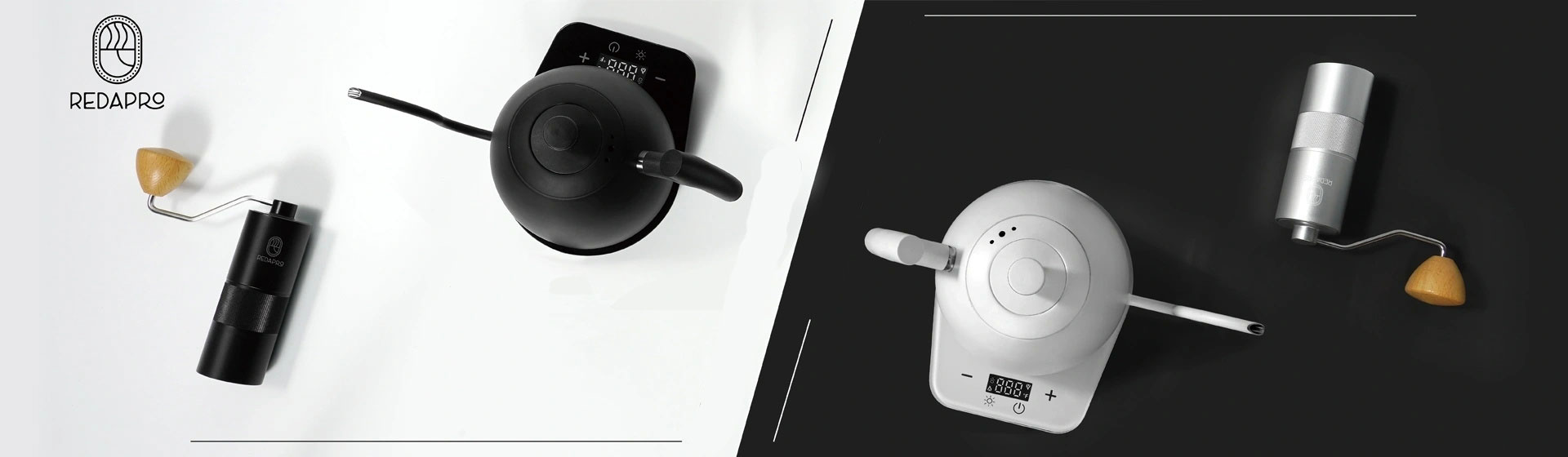
Burnt milk forms a stubborn layer because milk contains proteins, sugars, and fats that solidify when overheated. When milk boils over or burns inside an Electric Kettle, the residue adheres to the heating plate and interior walls, creating a thick, sticky layer that cannot be removed with simple rinsing. Immediate cleaning helps prevent permanent staining and protects the kettle’s heating efficiency.
Fill the kettle halfway with warm water and add a small amount of mild dish soap. Allow the mixture to sit for 20 to 30 minutes. This helps soften the burnt protein film and loosen the residue before deeper cleaning.
After soaking, unplug the kettle and wipe the interior with a non-abrasive sponge. Dish soap breaks down fats and milk proteins, making it easier to remove surface-level burnt areas.
Mix baking soda with a small amount of water to create a gentle cleaning paste. Apply it to the burnt areas with a soft cloth. Baking soda helps lift burnt residue without scratching the interior surface.
Another method is boiling water with one to two tablespoons of baking soda. Heating activates the cleaning properties and helps loosen deeply embedded residue. Once cooled, pour out the solution and scrub gently.
Vinegar contains acetic acid, which dissolves burnt milk proteins. Fill the kettle with equal parts vinegar and water. Warm the solution slightly without boiling. Allow it to sit for 20 minutes to soften stubborn buildup.
After soaking, rinse thoroughly with clean water. Vinegar helps neutralize odors caused by burnt milk.
Lemon juice provides natural citric acid effective in removing burnt residue and eliminating unpleasant smells. Add fresh lemon juice to water and heat the mixture gently. Let it sit before scrubbing the remaining residue.
Lemon helps polish the steel interior and leaves the kettle smelling clean after removing burnt milk.
For kettles with severe burnt milk layers, use a combined approach:
Soak with warm soapy water
Treat with baking soda paste
Finish with a vinegar or lemon solution
This step-by-step method helps restore the interior without damaging the heating plate.
Never use steel wool or hard scrubbing pads, as these can scratch stainless steel surfaces, allowing future residue to cling more easily.
The heating plate is sensitive to scratches and corrosion. Using mild substances like baking soda and vinegar ensures the plate remains smooth, which improves heating efficiency and prevents hot spots.
Burnt milk on the heating plate can reduce boiling speed and cause uneven heat distribution. Ensuring complete removal helps maintain long-term performance.
electric kettles are designed for heating water only. Milk foams as it heats and can boil over, burning on the heating plate almost instantly. Using a pot or milk heater prevents residue buildup and protects the kettle.
If milk accidentally enters the kettle, rinsing it immediately prevents burning and sticking when the kettle heats again.
Descaling and cleaning the kettle every two to six weeks reduces surface roughness inside, making it harder for burnt residue to stick.
Removing burnt milk involves softening, dissolving, and gently scrubbing residue using mild cleaning agents. Regular maintenance keeps the kettle clean, prevents unpleasant odors, and maintains optimal heating efficiency. With proper care, the kettle returns to normal operation and continues delivering clean, safe boiling water for daily use.