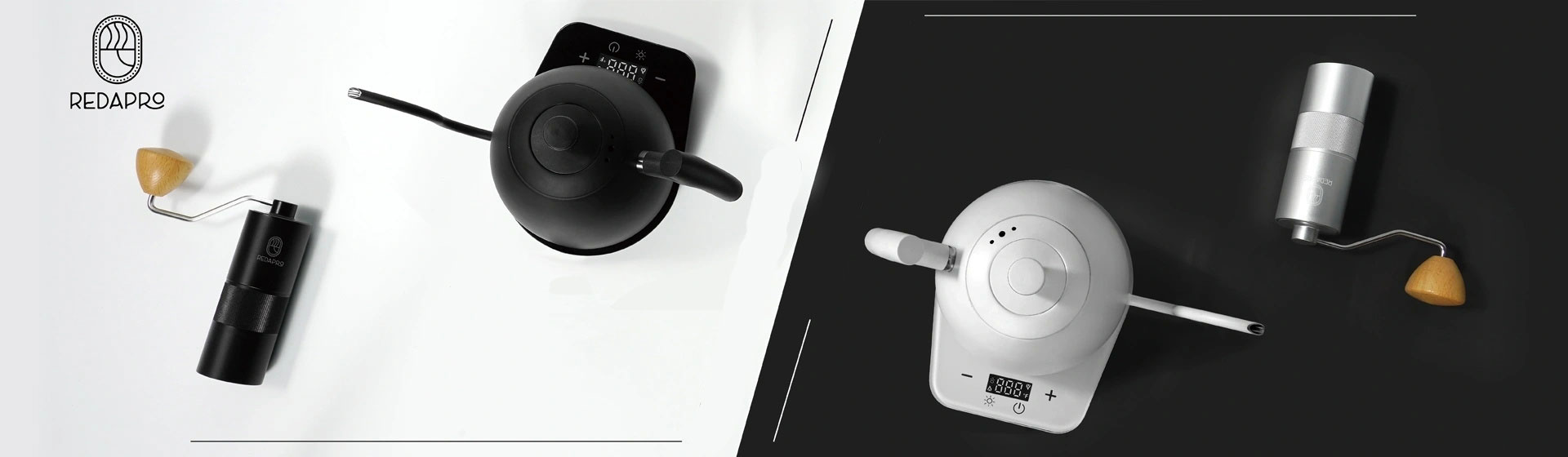
Calcium deposits appear when hard water is heated repeatedly inside an Electric Kettle. Minerals such as calcium and magnesium separate from the water during boiling, forming a white or chalky residue known as limeScale. Over time, these deposits thicken and cling to the inner walls and heating plate. Calcium buildup slows boiling performance, increases energy consumption, and affects water taste, making regular removal necessary for efficiency and hygiene.
White vinegar is one of the most effective and accessible descaling agents. Mix equal parts white vinegar and water, then fill the Kettle halfway. Vinegar’s acetic acid breaks down hardened calcium layers and softens residue on the heating plate.
Warm the vinegar solution inside the kettle, but avoid boiling it to prevent strong odors. After heating, unplug the kettle and let the mixture sit for 20 to 30 minutes. The solution loosens mineral buildup, making it easier to remove.
Pour out the vinegar mixture and rinse the kettle several times with clean water to eliminate any remaining odor. If deposits persist, repeat the process.
Lemon juice contains citric acid, which effectively dissolves calcium residue. Squeeze the juice of one or two lemons into water and fill the kettle halfway.
Heat until warm, then allow the mixture to stand for 20 to 30 minutes. The acidic solution breaks down chalky layers and leaves a fresh, clean scent.
After soaking, wipe the interior with a soft sponge and rinse thoroughly. Lemon juice works especially well for mild to medium calcium buildup.
Add one to two teaspoons of baking soda to water inside the kettle and heat until warm. Allow the solution to sit for 15 minutes. Baking soda helps lift residue without scratching surfaces.
For thicker calcium layers, sprinkle baking soda directly onto damp residue. Use a non-abrasive cloth to gently wipe away loosened deposits after soaking.
Citric acid powder provides targeted cleaning for kettles with heavy calcium buildup. Dissolve one tablespoon of citric acid in warm water inside the kettle.
Heat the mixture lightly and let it rest for 10 to 15 minutes. Citric acid dissolves stubborn deposits quickly and thoroughly.
Rinse the kettle multiple times after treatment to remove the acidic solution and prevent lingering taste.
Commercial descaling liquids or tablets are specifically designed to break down mineral deposits without damaging heating elements. These products are ideal for households with very hard water.
Always follow the manufacturer’s directions for safe and effective use. Commercial descalers are strong and require thorough rinsing after application.
Leaving water inside the kettle allows minerals to settle and adhere to the walls. Emptying the kettle after each boil reduces buildup.
Filtered water contains fewer minerals, slowing the formation of calcium deposits. This helps extend descaling intervals and protects the heating plate.
Performing a descaling routine every two to six weeks prevents heavy mineral accumulation. The frequency depends on local water hardness and kettle usage patterns.
Reboiling water multiple times increases the concentration of minerals. Heating only what is needed helps limit residue.
Use only soft sponges and non-abrasive materials when cleaning the kettle interior. Scratching the stainless steel or coated surfaces can create rough areas where calcium forms more easily.
Calcium can accumulate around the lid and steam vents. Wipe these areas regularly to maintain proper function of the auto shut-off system and ensure clean steam pathways.
A clean kettle heats faster, uses less electricity, and ensures fresh-tasting water. Removing calcium deposits using vinegar, lemon juice, baking soda, citric acid, or commercial descalers restores smooth interior surfaces and protects the heating element. Consistent maintenance prevents buildup and keeps the kettle operating efficiently for years of reliable use.