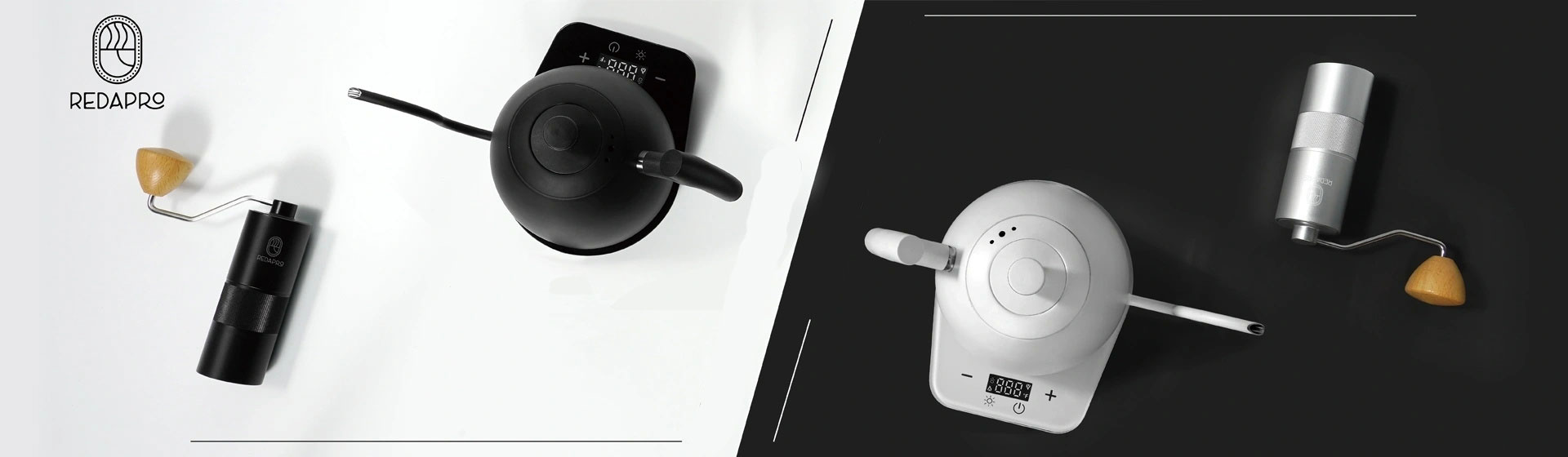
Calcium buildup, often seen as white or chalky residue, develops when hard water is heated repeatedly in an Electric Kettle. The minerals in hard water—primarily calcium and magnesium—separate from the water during boiling and solidify on the Kettle’s interior surfaces. Over time, this buildup affects boiling speed, increases energy consumption, and may alter the taste of the water. Removing calcium regularly keeps the kettle clean and ensures efficient performance.
White vinegar is a commonly used and highly effective descaling agent. Fill the kettle halfway with a mixture of equal parts vinegar and water. The acetic acid in vinegar breaks down calcium deposits by softening and dissolving them.
Warm the solution inside the kettle for a few minutes, but do not boil it. Heating helps the acidic mixture penetrate the calcium layers more effectively. After warming, unplug the kettle and let the solution sit for 20 to 30 minutes.
Pour out the mixture and rinse the kettle thoroughly with clean water. If calcium remains, repeat the process until the interior is smooth and free from chalky deposits.
Lemon juice contains citric acid, which is excellent for dissolving calcium residue. Fill the kettle halfway with water and add the juice of one or two lemons.
Warm the mixture to activate the citric acid, then let it sit for 20 to 30 minutes. This helps dissolve mineral buildup, especially along the inner walls and heating plate.
After soaking, wipe the interior gently with a soft sponge and rinse thoroughly. Lemon juice leaves a clean scent and works well on moderate calcium levels.
Add one or two teaspoons of baking soda to water inside the kettle and heat until warm. Baking soda loosens calcium deposits without scratching the kettle’s interior.
For stubborn calcium patches, create a baking soda paste by mixing a small amount of water with baking soda. Apply it to the deposits with a non-abrasive cloth and gently wipe the surface.
Citric acid powder works quickly for kettles with heavy or thick calcium buildup. Dissolve one tablespoon of citric acid in warm water inside the kettle.
Heat the mixture lightly, then unplug the kettle and let it sit for 10 to 15 minutes. Citric acid breaks down calcium efficiently and leaves the interior clean.
After treatment, rinse the kettle several times with clean water to ensure no acidic residue remains.
Commercial descalers are formulated to remove calcium safely from electric kettles. These products are ideal for regions with extremely hard water or when natural cleaners are not effective enough.
Always use the recommended dosage and soak time. After descaling, rinse the kettle thoroughly to eliminate leftover cleaning agents.
Leaving water in the kettle encourages mineral deposits to settle and harden. Emptying the kettle after each use helps reduce calcium formation.
Filtered water contains fewer minerals, slowing down calcium buildup. This reduces the need for frequent descaling and protects the heating plate.
Performing a descaling routine every two to six weeks prevents heavy mineral accumulation. The ideal frequency depends on water hardness and how often the kettle is used.
Reboiling the same water multiple times increases mineral concentration. Heating only the amount needed reduces calcium formation.
Avoid using abrasive tools or harsh scrubbing pads that can scratch the interior surface. Scratches create areas where calcium builds up more easily.
Calcium deposits can also accumulate around the lid, spout, and steam vents. Wiping these areas regularly helps maintain proper function of the auto shut-off system and ensures clean water flow.
Removing calcium from an Electric Kettle improves boiling speed, enhances energy efficiency, and keeps water tasting fresh. Whether using natural cleaners like vinegar, lemon juice, and baking soda, or stronger agents such as citric acid and commercial descalers, regular maintenance ensures long-term performance. With consistent care, the kettle remains clean, safe, and efficient for daily use.