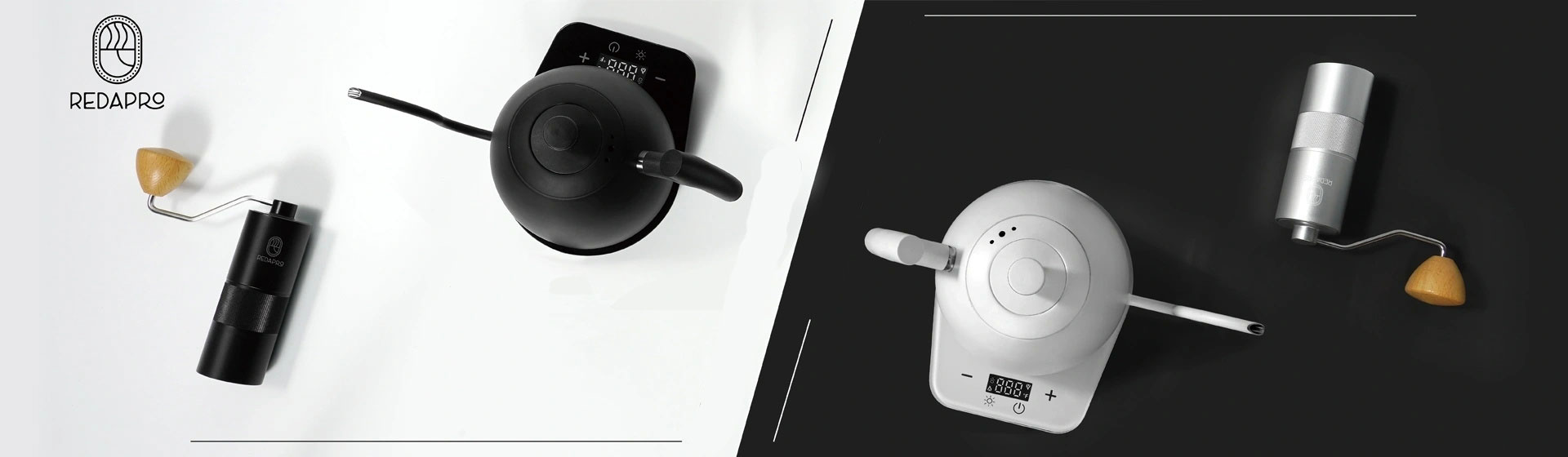
Hard water build-up is a common issue caused by minerals such as calcium and magnesium that separate from water during boiling. Over time, these minerals form white, chalky layers known as limeScale inside the Kettle. This build-up affects boiling efficiency, increases energy consumption, and can alter the taste of the water. Regular removal is essential to keep the kettle working efficiently and maintain clean, safe boiling performance.
White vinegar is one of the most effective cleaning agents for removing hard water deposits. Mix equal parts vinegar and water and pour the solution into the kettle until it covers the affected areas.
Warm the solution gently without bringing it to a full boil. Once warm, unplug the kettle and allow the mixture to sit for 20 to 30 minutes. The acetic acid in vinegar softens and dissolves hardened mineral layers.
After soaking, pour out the mixture and rinse the kettle with clean water several times to remove any lingering vinegar smell. If build-up remains, repeat the process until the surface is clear.
Lemon juice is a natural alternative that works well for mild to moderate hard water build-up. The citric acid breaks down mineral deposits without damaging the kettle’s interior.
Fill the kettle halfway with water, squeeze in the juice of one or two lemons, and warm the mixture. Let it sit for 20 to 30 minutes to loosen the chalky residue.
After soaking, wipe the interior with a soft sponge. Rinse thoroughly to ensure a clean, fresh finish.
Add one to two teaspoons of baking soda to warm water in the kettle and let it sit for 15 minutes. Baking soda helps loosen stubborn residue and neutralize odors.
For thicker deposits, sprinkle baking soda directly on dampened areas and gently wipe with a non-abrasive cloth.
Citric acid powder is highly effective for kettles experiencing heavy or long-term mineral build-up. Dissolve a tablespoon of citric acid in warm water inside the kettle.
Warm the mixture slightly, unplug the kettle, and allow it to rest for 10 to 15 minutes. Citric acid quickly dissolves compacted mineral layers.
Rinse the kettle several times with clean water to ensure no acidic residue remains.
Commercial descalers are formulated to break down hard water deposits safely and efficiently. These products are ideal when natural cleaners are not strong enough, or when the kettle has extensive build-up.
Always follow the dosage and timing recommendations provided by the manufacturer. Thorough rinsing is essential after using chemical descalers.
Leaving water inside the kettle after boiling allows minerals to settle and adhere to the surface. Emptying immediately reduces formation.
Filtered water lowers mineral content, slowing the rate of build-up and minimizing frequent cleaning.
Perform descaling every two to six weeks depending on water hardness. Homes with extremely hard water may require more frequent cleaning.
Reboiling concentrates minerals in the water, accelerating scale formation. Heating only what is needed helps prevent hard water deposits.
Avoid abrasive tools that scratch the heating plate or interior metal surfaces. Scratches make it easier for minerals to bond and accumulate.
Mineral deposits can also form around the lid, spout, and steam vents. Regular wiping ensures consistent steam flow and proper functioning of the auto shut-off system.
Removing hard water build-up improves boiling speed, lowers energy consumption, and keeps water fresh. Whether using vinegar, lemon juice, baking soda, citric acid, or commercial descalers, regular maintenance ensures your electric kettle continues to function efficiently over time. Proper care protects the heating element, maintains cleanliness, and provides safe and reliable daily use.