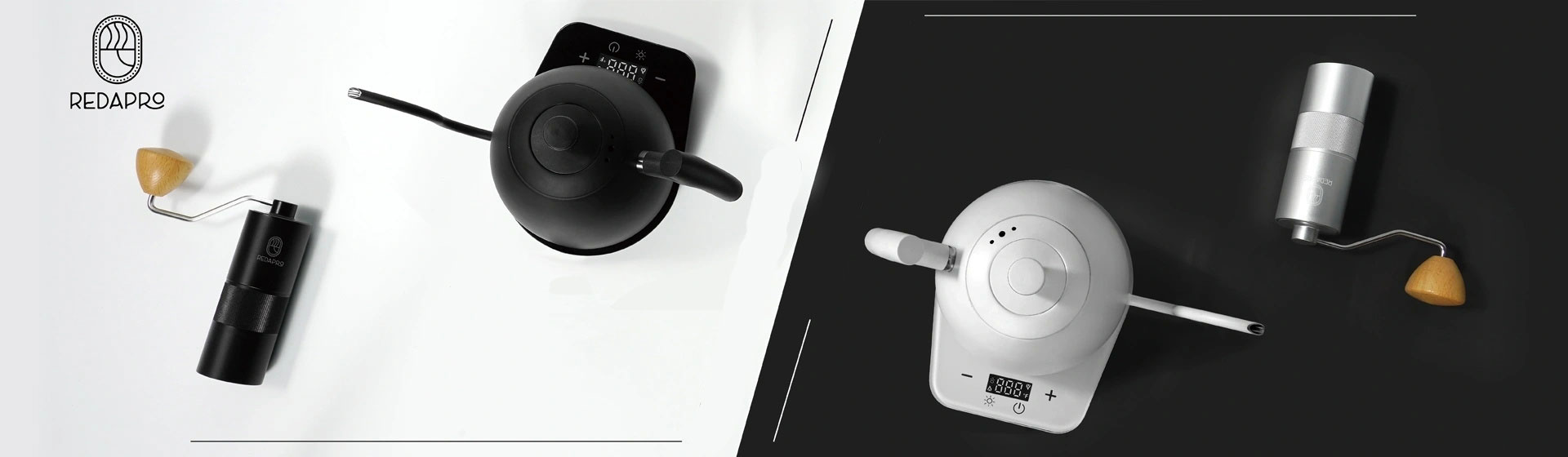
Using an Electric Kettle correctly from the first use helps ensure safety, improve boiling performance, and maintain the quality of the water you drink. New Kettles may contain manufacturing residues, light odors, or protective coatings from the production process. Preparing the kettle properly before regular use helps remove these residues and ensures clean, fresh boiling results from the start.
Before using the kettle, unpack all parts carefully and check that the main kettle body, lid, power base, and removable filter (if included) are present. Inspect the power cord and plug to ensure they are free from damage. Confirm that the lid opens and closes smoothly and that the interior is clean and intact.
Different kettle models may include specific safety guidelines or recommended cleaning steps. Reviewing the user manual helps you understand capacity limits, water level markings, and important safety features such as auto shut-off or boil-dry protection.
Fill the kettle with clean water and swish it around to remove any light dust or manufacturing residue. Empty the water fully afterward. Avoid using soap inside the kettle because it may leave a taste or residue that is difficult to rinse out.
Fill the kettle to its maximum level mark with fresh water and boil it once. After boiling, discard the hot water. This step helps remove any remaining odors and prepares the heating element for regular use.
If the kettle has a slight smell from packaging materials, you can fill it halfway with water and add either lemon juice or a small amount of vinegar. Heat until warm, let it rest for 15 minutes, and rinse thoroughly. This step ensures the interior is fresh and free from unwanted scents.
Place the power base on a flat, dry, stable surface. Ensure there is enough ventilation around the kettle and that the area is free from moisture. Avoid placing the base near the edge of a countertop to prevent accidental spills.
Align the kettle with the center of the power base and ensure it sits securely. Proper placement ensures the heating element connects correctly for safe operation.
Use a properly rated outlet suitable for the kettle’s voltage. Avoid using low-quality extension cords, as kettles draw high power. Plug the base directly into the wall socket when possible.
Always fill the kettle above the minimum level to prevent damage to the heating element and below the maximum level to avoid boiling water spilling out. Using clean, cold water provides the best boiling performance.
electric kettles are designed for water only. Heating milk, soup, or other liquids can cause burning, foam overflow, and damage to the heating plate.
Ensure the lid is fully closed before boiling. This allows the auto shut-off system to function correctly and helps prevent steam escaping excessively.
Press the power switch to begin heating. The kettle will automatically shut off when the water reaches boiling temperature. Do not open the lid or move the kettle during the boiling process.
Once the kettle switches off, allow it to sit briefly. Lifting the kettle immediately after boiling may cause hot steam to escape rapidly.
Hold the handle firmly and pour slowly to avoid splashing. Make sure the spout filter is in place if included, as it helps prevent mineral particles from entering your cup.
Repeatedly boiling the same water increases mineral concentration. For the best taste and kettle performance, refill with fresh water when possible.
Leaving water inside encourages mineral buildup. Emptying the kettle helps maintain cleanliness and prevents unwanted odors.
Allow the lid to remain open for a short while after use to help the interior air out. Store the kettle in a dry location away from moisture.
Even new kettles will accumulate minerals over time. Begin a descaling routine every two to six weeks depending on water hardness to maintain efficient boiling.
Using the kettle properly from the first time ensures safe operation, clean boiling water, and long-term efficiency. Proper setup, thorough initial cleaning, careful filling, and regular maintenance help extend the kettle’s lifespan and keep it functioning reliably for daily use.