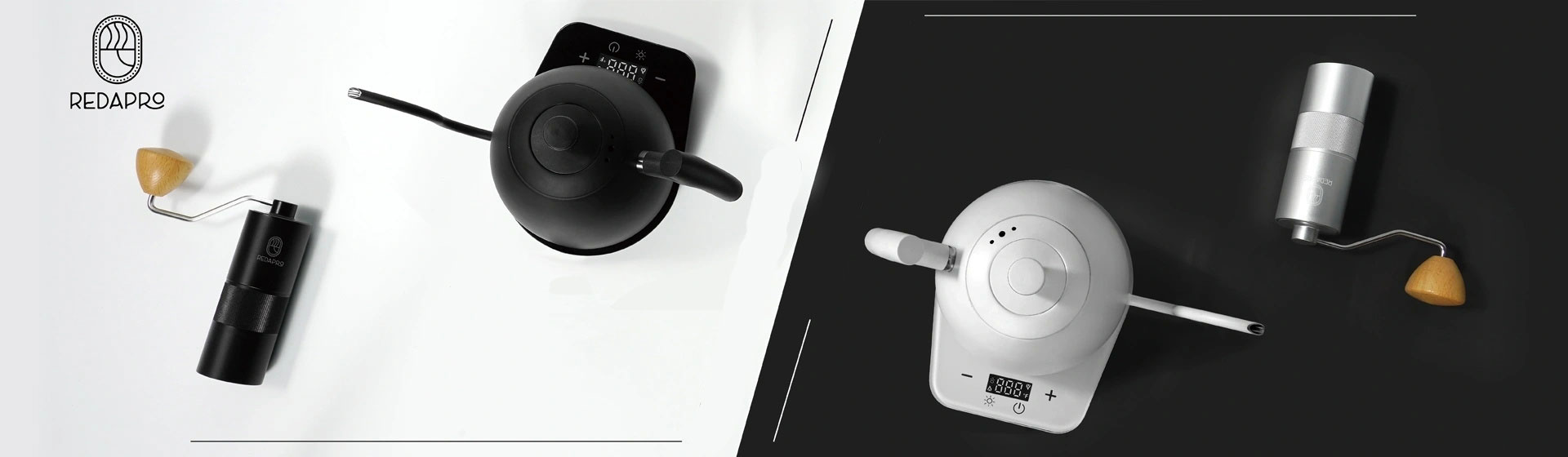
Using an electric kettle in a car requires choosing a model designed specifically for vehicle use. Traditional household kettles are not suitable for cars because they require high wattage and standard wall sockets. Car-compatible kettles operate using the vehicle’s 12V or 24V power outlet and are built with lower-wattage heating elements to match the limited electrical capacity of automotive systems. These specialized kettles typically include safety circuits, spill-resistant lids, and compact designs suitable for travel environments.
Most vehicles provide 12V power through the cigarette lighter port. Larger trucks and commercial vehicles may provide 24V power. Selecting a kettle that matches your vehicle's voltage ensures proper functionality and prevents electrical damage.
Car kettles usually operate between 80W and 200W. Because of this low wattage, heating water takes significantly longer compared with home kettles. A travel kettle may take 10 to 20 minutes to bring water to a boil, depending on its capacity. Understanding this helps set expectations and prevents overheating the power outlet.
Travel kettles for cars typically hold between 250ml and 1L. Smaller volumes heat faster and place less strain on the vehicle’s electrical system. Choosing the right size helps balance convenience and performance.
Many car kettles include automatic shut-off, thermal fuses, anti-dry-boil protection, and stable locking lids to prevent spills during movement. These features are essential for safe usage inside a vehicle.
Car power outlets deliver stable electricity only when the engine is running. Boiling water without the engine on can drain the battery quickly. Starting the engine ensures consistent power and avoids voltage drops that could trigger the kettle’s protection features.
Most car outlets are rated for 10A to 15A output. Car kettles designed for 12V systems typically draw between 6A and 12A, making them compatible with most vehicles. Users should verify the outlet rating to avoid overheating or blowing a fuse.
Before use, examine the kettle’s 12V plug for firmness, cleanliness, and secure connection points. Dust or looseness can cause poor contact, resulting in slow heating or intermittent power.
Choose a flat area such as the center console, a cup holder, or a stable travel tray. Ensure the kettle cannot tip over, even if the vehicle vibrates or moves slightly.
Pour clean water into the kettle without exceeding the maximum fill line. Overfilling can cause boiling water to overflow during heating, posing a burn risk inside the cabin.
Lock the lid firmly to prevent spills. A well-sealed lid also helps the kettle build heat efficiently, reducing boiling time.
Insert the kettle’s 12V or 24V plug into the vehicle’s power socket. Make sure the connection is secure to prevent electrical interruption during heating.
Press the kettle’s power switch to begin heating. Most travel kettles include an indicator light to show they are operating. Remain attentive during heating because travel kettles do not always shut off immediately after boiling.
Due to lower wattage, heating time may range from 10 to 25 minutes. During this period, keep the kettle upright and avoid sudden vehicle movement. Some models maintain temperature rather than fully boiling, depending on power limits.
When the water is heated, unplug the kettle and pour slowly. Ensure the vehicle is stationary to avoid accidental spills.
Heating or pouring water while driving is unsafe. Use the kettle only when the vehicle is parked.
Car kettles are designed for water only. Milk or soup can burn quickly and damage the heating element, especially given lower wattage and slower heating cycles.
Car kettles can warm up the power outlet if used frequently in a short period. Allow a short cooling period between heating cycles to protect the socket and wiring.
Although the engine should be on during heating, avoid using the kettle when the car’s electrical system is already under heavy load, such as when running multiple accessories simultaneously.
Ensure the kettle, hot water, and cables remain out of reach to prevent burns or accidents inside the vehicle.
Using warm water from a rest stop or thermos can reduce heating time inside the car.
Models with double-wall insulation maintain heat longer, reducing the need for repeated heating cycles.
Heating only the amount of water needed shortens heating time and reduces stress on the car’s electrical system.
After use, allow the kettle to cool fully before storing it to prevent damage to cables and interior surfaces.
Travel kettles are ideal for making instant coffee, tea, or noodles during long journeys without relying on rest stops.
When electricity access is limited, a car kettle provides a convenient source of hot water.
Taxi drivers, truck drivers, and delivery personnel benefit from having readily available hot water during long working hours.
After each use, rinse the kettle to prevent mineral buildup, especially if used frequently in hard-water regions.
Use vinegar or citric acid to descale the interior every four to six weeks, maintaining efficient heating.
Inspect the plug and cord periodically for signs of wear, as vibration in vehicles can loosen connections over time.
Using an electric kettle in a car is entirely feasible when done with the correct equipment and safety precautions. Choosing a proper car-compatible model, ensuring stable power supply, and following careful operating steps allow you to heat water conveniently and safely during travel. With proper maintenance and mindful use, a car kettle becomes a useful companion for road trips, camping, and long hours on the road.