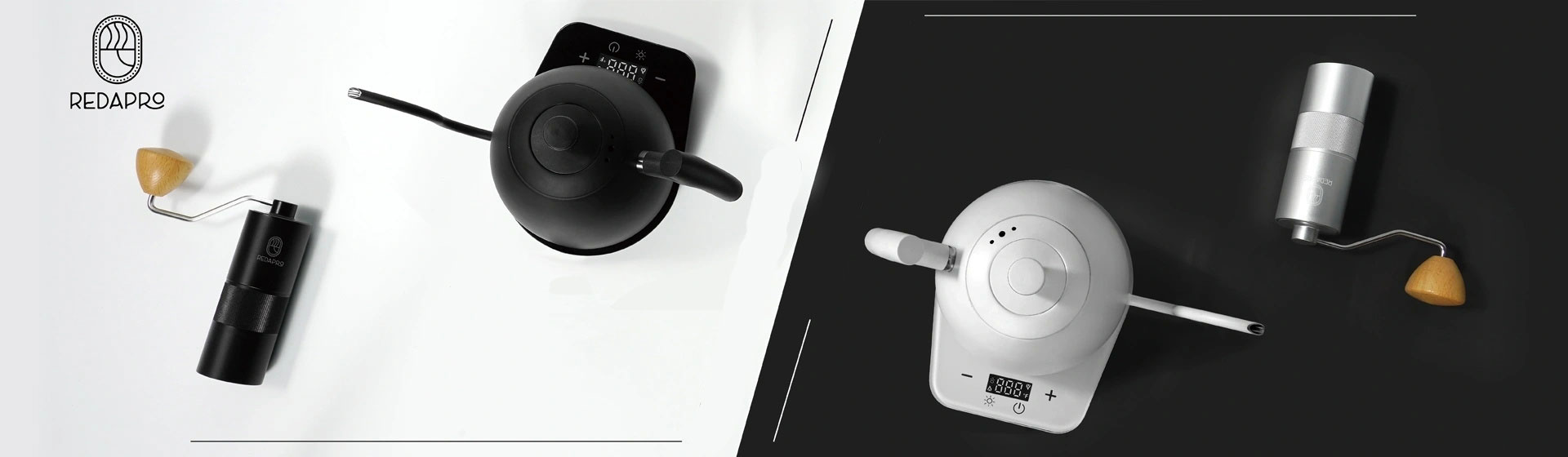
An electric kettle is one of the most efficient and convenient tools for preparing tea because it heats water quickly and offers precise heating control. Whether brewing delicate green tea, robust black tea, or herbal blends, the quality of hot water significantly affects the flavor and aroma. Using the kettle correctly ensures that the water reaches the ideal temperature, extracts the proper balance of compounds from the leaves, and preserves the unique characteristics of each tea type.
Before making tea, ensure the kettle is clean and free from old water or mineral residue. Rinse the interior with fresh water and pour it out. This prevents lingering tastes from affecting the flavor of the tea.
Using fresh, cold water helps improve the quality of the brew. Fresh water contains more dissolved oxygen, which helps tea leaves open properly and release balanced flavors. Avoid reboiling old water, as it can result in a flat or metallic taste.
Use the kettle’s minimum and maximum water indicators to fill the appropriate amount. Heating only the water needed for tea helps maintain water freshness and reduces energy consumption.
Different types of tea require different water temperatures. Boiling water is not suitable for every tea. Using the correct temperature prevents bitterness, preserves delicate flavors, and improves aroma.
Below are common temperature guidelines:
Green Tea: 70°C–80°C
White Tea: 75°C–85°C
Oolong Tea: 85°C–90°C
Black Tea: 95°C–100°C
Herbal Tea: 95°C–100°C
Some Electric Kettles allow temperature selection. Choose the appropriate setting based on the tea type. For kettles without temperature control, allow the boiled water to cool slightly before pouring over delicate teas such as green or white tea.
For boiling-needed teas, use the water immediately after it reaches a full boil. For lower-temperature teas, wait one to two minutes after boiling. The brief cooling period adjusts the water to a suitable temperature.
Loose leaf tea generally offers richer flavor, while tea bags provide convenience. Either option works, but loose leaf tea benefits from more space for leaf expansion.
Use a heat-resistant teapot, infuser, or mug. If using a metal or ceramic teapot, warming it first with a splash of hot water helps maintain brewing temperature.
Use the following general guidelines:
Loose Leaf: 1 teaspoon per cup
Tea Bags: 1 bag per cup
Stronger flavor requires slightly more tea, not hotter water.
Pour the heated water slowly and evenly over the tea leaves. This helps the leaves open uniformly and begin releasing flavor immediately.
Covering the brewing vessel retains heat and ensures proper infusion. This is especially important for herbal and black teas that require hotter water.
Pouring too fast or stirring aggressively can release bitterness. Gentle pouring supports smooth extraction.
Different teas require different steeping durations:
Green Tea: 1–3 minutes
White Tea: 3–5 minutes
Oolong Tea: 3–5 minutes
Black Tea: 3–5 minutes
Herbal Tea: 5–10 minutes
These times help avoid bitterness and ensure balanced flavor.
Using a small timer or the kettle’s built-in timer helps avoid over-steeping. Leaving tea in water too long can overpower flavor and increase astringency.
Once steeping time is complete, remove the infuser or tea bag to prevent over-extraction. If using loose leaves directly in a pot, pour the tea into another vessel immediately.
After steeping, taste the tea to adjust strength. If too weak, allow another brief steep. If too strong, add a small amount of hot water to dilute.
Depending on the tea type, sugar, honey, milk, or lemon may be added. Herbal and black teas commonly pair well with these additions, while green or white teas are typically enjoyed plain to preserve delicate aromas.
Pour out any remaining water in the kettle after use. Leaving water inside promotes mineral buildup and residual taste.
Rinse with fresh water and wipe gently with a soft cloth. Avoid using soap inside the kettle, as residue may affect future boiling.
If used frequently, descale the kettle every two to six weeks to keep the heating element clean and maintain optimal performance.
Always boil water on a flat, dry surface. Avoid using the kettle near the edge of a counter or in wet conditions.
Electric Kettles are designed for water only. Heating milk, tea, or other liquids directly in the kettle can cause burning and damage.
Hold the kettle firmly and pour slowly to avoid splashes. Hot water can easily cause burns if handled carelessly.
An electric kettle simplifies tea preparation by offering rapid heating and consistent temperature control. By using fresh water, heating to the correct temperature, measuring tea properly, and steeping with care, the final cup becomes more aromatic, flavorful, and enjoyable. With proper kettle maintenance and mindful brewing steps, you can achieve high-quality tea at home, at work, or wherever hot water is needed.
Previous: What Does An Electric Kettle Do