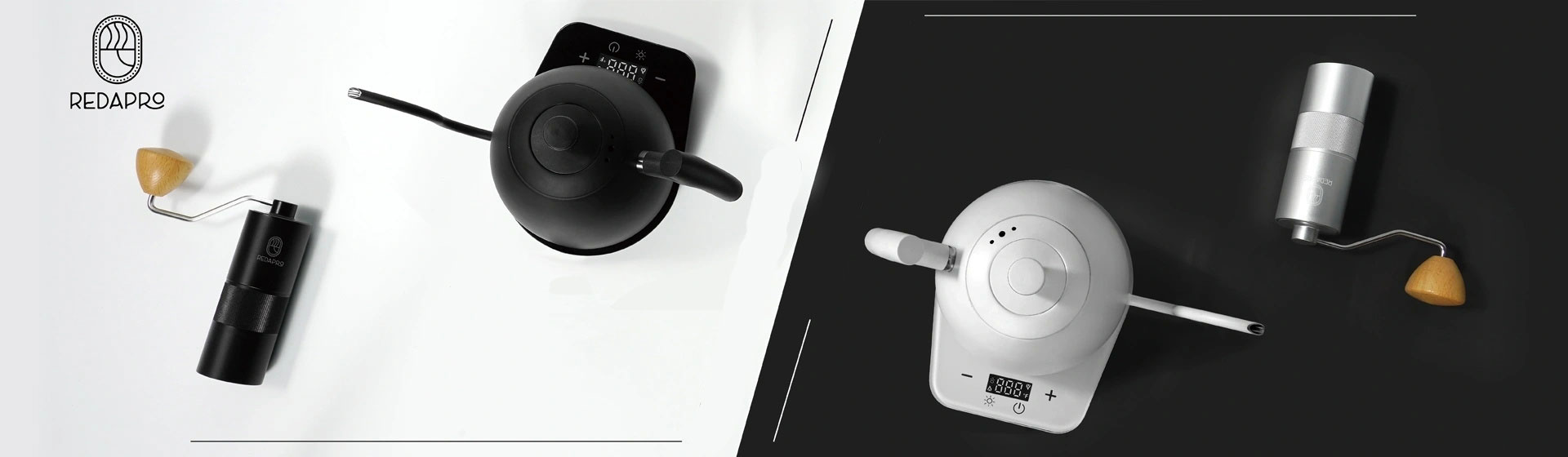
Heating water is one of the most common household tasks, but the method you choose can significantly affect energy consumption. Both Electric Kettles and stovetops rely on converting energy into heat, yet each system operates differently and varies in efficiency. To understand which uses less energy, it’s important to compare how they transfer heat, how much power they require, and how effectively they deliver that heat to the water.
Electric Kettles contain a concealed heating element placed directly under the water. Because the element touches the metal base that contacts the water directly, heat transfer is highly efficient. Little energy is lost to the surrounding air, making Electric Kettles one of the most effective water-heating appliances.
Most electric kettles operate at 1500W to 3000W, but they boil water very quickly—usually within two to four minutes. While the wattage is high, the short boiling time results in lower total energy consumption.
Electric kettles automatically turn off when water reaches boiling temperature. This prevents energy waste from overheating and ensures the heating cycle ends exactly when needed.
Some kettles are designed with double-wall insulation that retains heat longer and reduces surface heat loss during boiling.
Stovetops heat cookware from below, relying on conduction and radiation. This indirect heating causes energy loss because:
Some heat escapes around the sides of the pot
The flame or heating coil does not perfectly match the pot’s surface
Air absorbs part of the heat
As a result, stovetop heating is less efficient than direct-contact heating in an electric kettle.
Different stove types have different efficiency levels:
Gas stove efficiency: approximately 40%
Electric coil stove: around 70%
Induction stove: up to 85–90%
Gas stoves lose the most heat to the air, while induction stoves come closest to kettle efficiency.
A pot of water on a stove generally takes longer to boil. Even if the stove uses lower wattage, longer heating time often results in higher total energy use.
Electric kettles typically achieve efficiency rates between 80% and 90%, depending on the design. Their direct heating method and auto shut-off give them a clear advantage.
A gas stove is significantly less efficient than a kettle because most heat escapes into the surrounding air.
An electric coil stove performs better, but still loses heat around the pot.
An induction stove is the closest competitor to a kettle, but kettles still tend to boil water faster with less energy loss.
To boil one liter of water:
Electric Kettle: Uses roughly 0.1 kWh
Electric Coil Stove: Uses 0.12–0.15 kWh
Gas Stove: Uses about 0.18–0.20 kWh
Induction Stove: Uses around 0.11–0.13 kWh
In most cases, the electric kettle outperforms all stove types except, in some cases, induction.
Boiling more water than needed wastes energy. Electric kettles often encourage boiling only the required amount because of clear fill lines.
On a stove, efficiency varies depending on:
Pot diameter compared with burner size
Material (stainless steel, aluminum, cast iron)
Whether or not the pot is covered with a lid
A mismatched pot and burner can increase energy consumption significantly.
Electric kettles minimize heat loss due to their enclosed design. Stovetop pots lose heat through:
Steam escaping
Pot walls
Open flame or exposed coil
Electric kettles with indicator lights or digital controls may use a small amount of standby energy, but this is negligible compared to boiling cycles.
For boiling water, electric kettles almost always use less energy than gas or electric stoves. They heat water faster, waste less heat, and shut off automatically.
An induction stove used with a well-matched, high-efficiency pot can come close in energy performance—but generally still does not outperform a kettle.
Heating small volumes of water while cooking other ingredients
When boiling large quantities that exceed the kettle’s capacity
When avoiding electrical load in areas with limited power supply
Boil only the amount of water needed
Descale the kettle regularly to maintain heating efficiency
Keep the lid closed to retain heat
Use pots with flat bottoms that match the burner size
Always cook with a lid to reduce heat loss
Use induction cooking when possible for better efficiency
An electric kettle uses less energy than a stove in most daily situations because of its high heat-transfer efficiency, faster boiling time, and automatic shut-off features. For heating water quickly and with minimal energy waste, the electric kettle is typically the most economical and energy-efficient choice.