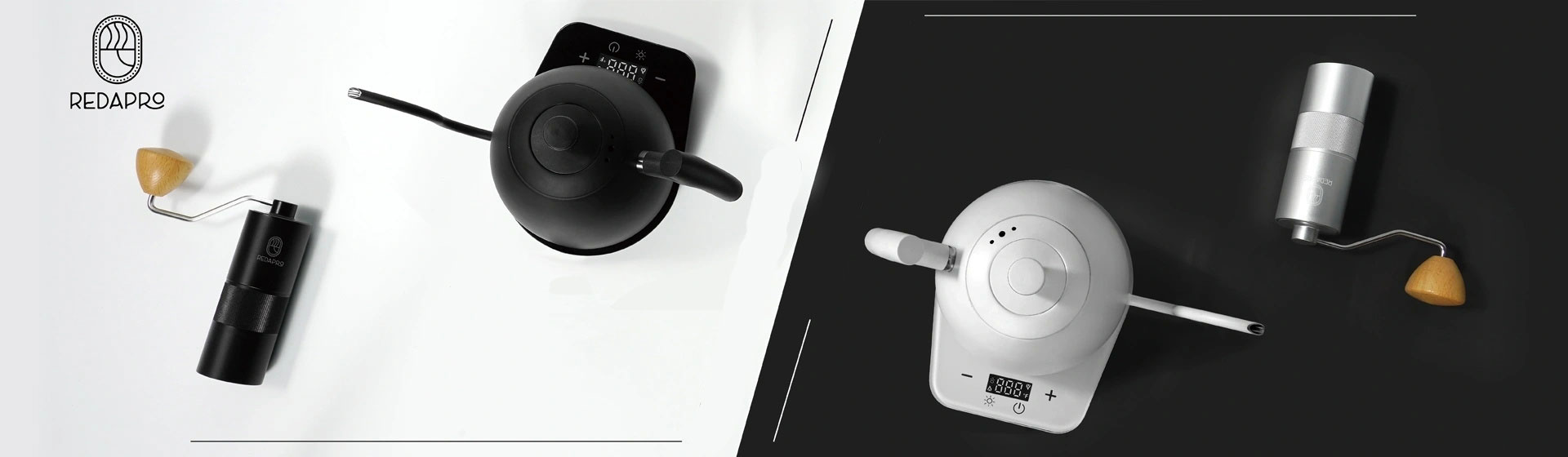
Electric Kettles are widely known for boiling water much faster than stovetop kettles or other household heating tools. This speed is not accidental. It is the result of purpose-built electrical design, material selection, and heating structure, all optimized for one task: rapid water heating. From a manufacturing and product-engineering perspective, several key factors explain why electric kettles achieve such high efficiency.
As a manufacturer with long-term experience in Electric Kettle and stainless steel houseware production, we analyze this question based on real product structure and mass-production performance rather than consumer perception alone.
The core reason Electric Kettles are fast is direct energy conversion.
Electric kettles use a high-power heating element that converts electrical energy directly into heat at the base of the kettle. Unlike stovetop heating, there is no intermediate step such as heating a burner, air, or cookware surface first. Almost all generated heat is transferred straight into the water.
From a production standpoint, this direct-contact heating design dramatically reduces energy loss and allows water temperature to rise rapidly within a short time.
Electric kettles are engineered for one purpose only: boiling water.
Most electric kettles are designed with significantly higher power density than general kitchen appliances. Because they do not need to perform multiple cooking functions, internal components such as wiring, switches, and thermal systems are optimized specifically for short, high-power operation.
In factory testing, this focused design allows kettles to reach boiling temperature faster while maintaining consistent performance across repeated cycles.
The heating structure plays a critical role in speed.
Modern electric kettles typically use a flat, concealed heating plate integrated into the base. This design maximizes the contact area between the heat source and the water, allowing uniform heat distribution and reducing localized overheating.
From a manufacturing perspective, precise control of plate thickness, material conductivity, and element placement ensures efficient heat transfer without sacrificing safety or durability.
Electric kettles are structurally designed to retain heat.
Compared with open cookware on a stove, electric kettles feature:
Enclosed bodies
Tight-fitting lids
Compact internal volumes
These features reduce heat loss to the surrounding air. In stainless steel kettles, the metal body further supports stable heat retention, which contributes to faster boiling times in repeated use.
Lower heat loss means more of the generated energy is used to raise water temperature rather than escaping into the environment.
Electric kettles are typically used with measured water volumes, which improves efficiency.
The internal shape of the kettle encourages natural water circulation as heat rises from the base. This convection effect distributes heat evenly throughout the water, preventing cold zones and accelerating the boiling process.
In product development, internal geometry is carefully designed to balance capacity, circulation efficiency, and user convenience.
Fast heating is supported by precise control systems.
Electric kettles are equipped with thermostats or steam-based sensors that detect boiling accurately. This allows the kettle to operate at full power until boiling is reached, then shut off immediately.
From an engineering standpoint, accurate shut-off systems allow manufacturers to push heating speed without compromising safety, as the kettle does not rely on manual monitoring.
Stovetop kettles lose a significant amount of energy through:
Air heating
Cookware walls
Burner inefficiency
Electric kettles integrate the heat source and container into one unit, eliminating many of these losses. In laboratory comparisons, electric kettles consistently outperform stovetop methods when heating small to medium volumes of water.
This efficiency advantage becomes even more evident in daily-use scenarios such as coffee preparation, tea service, and office use.
From a production and export standpoint, fast boiling is not only a convenience feature but also a reliability indicator.
A well-designed electric kettle must:
Heat quickly
Maintain stable boiling behavior
Avoid excessive noise or vibration
Protect internal components from overheating
Our manufacturing experience shows that kettles designed for efficient heat transfer and controlled power delivery achieve faster boiling while also offering longer service life and lower after-sales risk.
Electric kettles are fast because they are purpose-built appliances. Direct electrical heating, high power density, optimized heating plate design, minimal heat loss, and precise control systems all work together to deliver rapid boiling performance.
From a manufacturing and product-engineering perspective, this speed reflects efficient design rather than excessive power use. When properly engineered and produced, electric kettles provide one of the fastest, safest, and most energy-efficient ways to boil water for daily use and international markets alike.