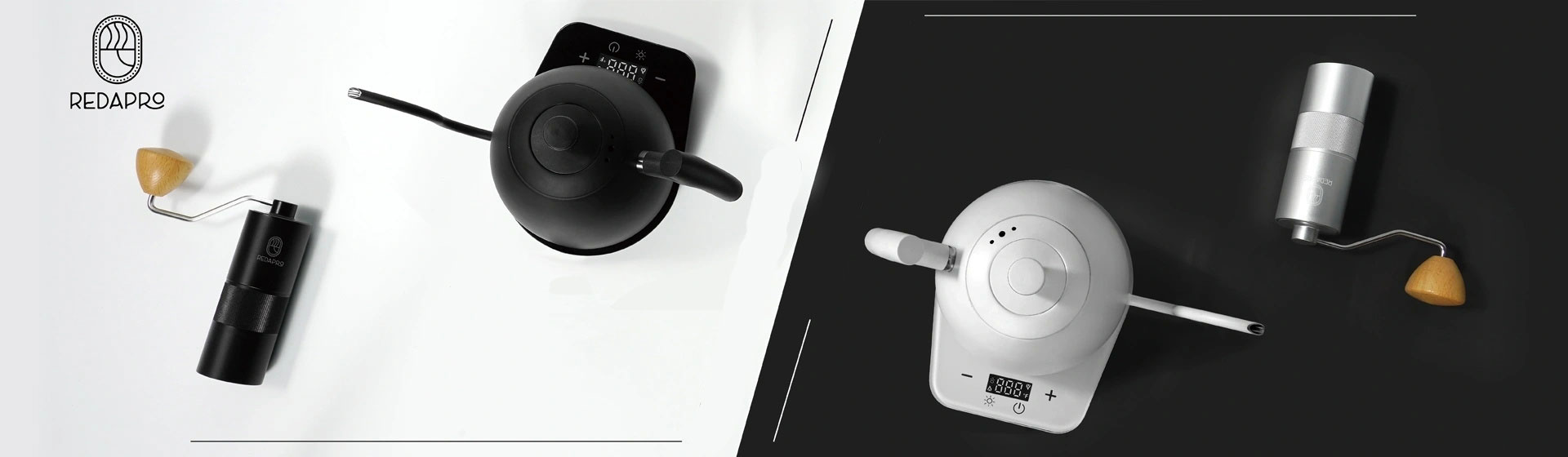
Many users notice that Electric Kettles can become surprisingly loud during operation, especially as the water approaches boiling. From a product engineering and manufacturing perspective, this noise is a natural byproduct of high-efficiency heating, rather than a quality defect. Understanding the reasons behind the sound helps overseas buyers and brand owners evaluate product performance more accurately.
Based on our long-term experience in electric kettle and stainless steel houseware manufacturing, the following factors explain why Electric Kettles generate noticeable noise.
The primary source of noise is high-speed boiling.
Electric Kettles heat water much faster than stovetop methods. When water at the bottom reaches boiling temperature rapidly, large amounts of steam bubbles form in a short time. These bubbles rise, collapse, and burst against the kettle walls, creating vibration and sound.
The faster the kettle heats, the more aggressive the bubbling becomes, which directly increases perceived noise.
Electric kettles rely on a high-power heating element or flat heating plate at the base.
As the element heats up, it expands slightly. At the same time, water circulation around the heating surface becomes turbulent. This interaction causes micro-vibrations in the heating plate, which are transmitted through the kettle body as sound.
In kettles designed for fast boiling, this vibration is more pronounced due to higher power density.
As water reaches boiling point, steam pressure builds rapidly inside the kettle.
When steam escapes through the lid, spout, or internal vent, it produces hissing or rushing sounds. Sudden pressure release can also cause brief changes in vibration intensity, which contributes to overall operating noise.
This behavior is part of normal kettle function and indicates efficient heat generation rather than malfunction.
The kettle body material strongly influences how noise is perceived.
Stainless steel, commonly used in export-oriented electric kettles, transmits vibration more efficiently than plastic. As a result, internal boiling sounds are amplified and seem louder, even when heating behavior is stable.
From a manufacturing standpoint, stainless steel provides durability and heat resistance, but it also makes sound transmission more noticeable compared to softer materials.
Hard water deposits significantly affect kettle noise.
When limescale forms on the heating plate, water becomes trapped beneath mineral layers. Steam bubbles then form unevenly and collapse more violently, creating popping or crackling sounds.
In production testing, kettles with heavy scale consistently produce louder and more irregular noise. This is why regular descaling is critical for long-term performance.
Operating conditions also influence noise levels.
Boiling very small amounts of water often increases noise because the heating plate is less evenly covered, leading to localized boiling. Internal kettle geometry is designed to optimize circulation at normal fill levels, not minimum volumes.
Maintaining proper water levels improves heat distribution and reduces excessive vibration.
Many kettles produce a brief clicking sound at the end of the boiling cycle.
This comes from the thermostat or thermal switch activating when steam temperature reaches the shut-off threshold. From an engineering perspective, this sound confirms that the safety system is functioning correctly.
Normal kettle noise includes:
Increasing bubbling sound as water heats
Hissing near boiling
A short click at shut-off
Abnormal noise may include:
Loud cracking or rattling
Sudden irregular banging
Noise combined with very slow heating
These signs usually indicate heavy limescale buildup or improper water level rather than a structural defect.
From a factory standpoint, a louder kettle often reflects high heating efficiency, not poor quality. Properly engineered kettles balance fast boiling with structural stability, using material thickness, heating plate design, and internal spacing to manage vibration.
In export markets, stainless steel kettles are widely accepted despite higher perceived noise because they deliver durability, fast performance, and long service life.
Electric kettles are loud primarily because they heat water very quickly and efficiently. Rapid bubble formation, heating plate vibration, steam release, and sound transmission through metal bodies all contribute to the noise.
From a manufacturing and product-quality perspective, louder operation is often a sign of strong heating performance rather than a defect. With proper water level management and regular descaling, electric kettles maintain stable operation, controlled noise, and reliable long-term performance for overseas markets.