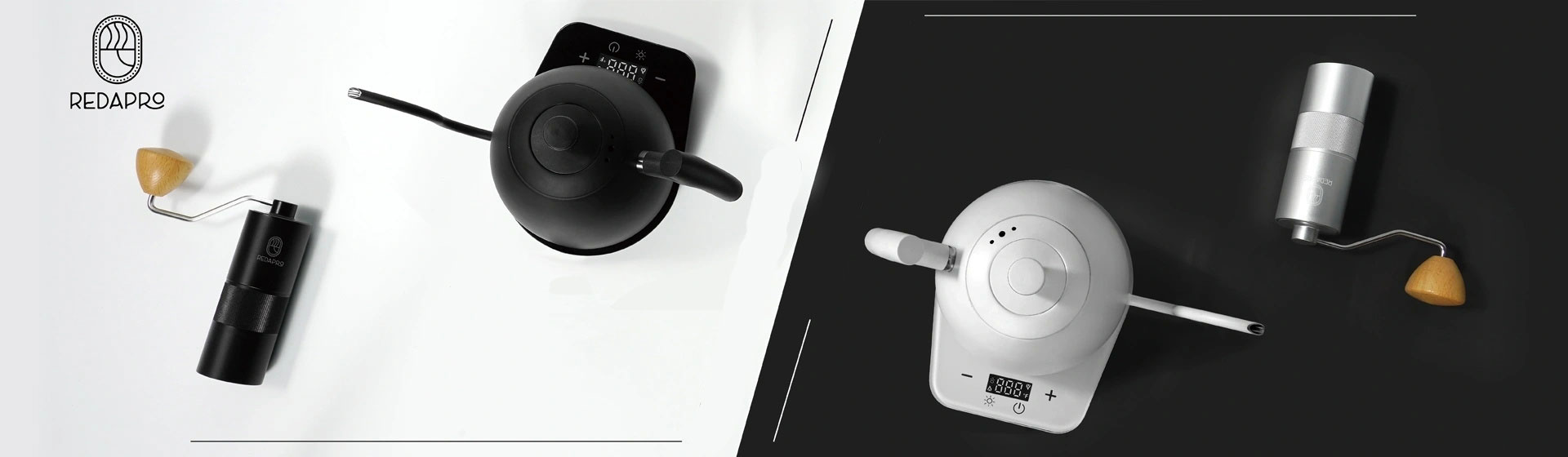
Mold inside an Electric Kettle is uncommon but can occur when water is left standing for long periods, especially in warm or humid environments. Mold growth is not only unhygienic but can also affect water taste and raise health concerns. Cleaning it thoroughly and correctly is essential to restore safe use and prevent recurrence.
From a product maintenance and manufacturing perspective, mold removal should focus on eliminating spores, removing residue, and restoring a clean internal environment without damaging the heating system.
Mold develops when three conditions exist simultaneously:
Moisture from leftover water
Warm or poorly ventilated surroundings
Long periods without use
Electric Kettles that are not emptied and dried after use, or that are stored with the lid closed, are more likely to develop mold around the base, spout, lid, or internal walls.
Before cleaning:
Unplug the kettle from the power source
Pour out any remaining water
Inspect the interior to identify visible mold areas
Do not turn the kettle on while mold is present.
Rinse the interior with warm water to flush out loose mold particles.
Pour out the water immediately. This step reduces surface contamination before deep cleaning.
Vinegar is effective at killing mold and neutralizing spores.
Fill the kettle halfway with water, above the minimum level.
Add equal parts water and white vinegar.
Boil the solution fully.
Let it sit for 30–40 minutes after shut-off.
Pour out the solution carefully.
This process disinfects the interior and loosens mold residue from the heating plate and walls.
Citric acid works well when mold is mild or newly formed.
Fill the kettle halfway with water.
Add 1–2 teaspoons of citric acid per liter of water.
Boil and let soak for 20–30 minutes.
Pour out the solution.
Citric acid is food-safe and suitable for regular maintenance.
After soaking:
Use a soft cloth or sponge to wipe the interior surfaces.
Pay attention to the base plate, spout area, and lid edges.
Do not scrape or use abrasive materials.
Mold residue should lift easily after soaking.
Rinse the kettle thoroughly 2–3 times with clean water.
Fill with fresh water and boil once.
Discard the water.
This final boil ensures no mold spores or cleaning residue remain.
Drying is critical to prevent mold from returning.
Empty all water
Leave the lid open
Allow the kettle to air-dry completely
Never store the kettle closed while moisture remains inside.
Mold may hide in:
The spout opening
Around the lid seal
Under the rim near the top
Ensure these areas are cleaned and dried carefully.
Do not scrub with steel wool or abrasives
Do not use bleach or harsh chemical disinfectants
Do not immerse the kettle base in water
Do not ignore recurring mold
Improper cleaning can damage internal components or leave chemical residue.
Empty the kettle after every use
Rinse and air-dry regularly
Leave the lid open between uses
Avoid storing water inside overnight
Clean periodically even if the kettle looks clean
These habits significantly reduce mold risk.
If mold:
Returns repeatedly despite thorough cleaning
Is embedded in cracks, seals, or damaged components
Is accompanied by persistent odor
Replacement may be the safest solution, especially for older kettles.
Cleaning mold out of an Electric Kettle requires boiling-based disinfection, proper soaking, gentle wiping, and complete drying. Vinegar or citric acid effectively removes mold while protecting the heating system.
With correct cleaning and daily care, electric kettles remain hygienic, safe, and reliable for long-term use—even in humid environments.
Previous: How To Clean New Electric Kettle