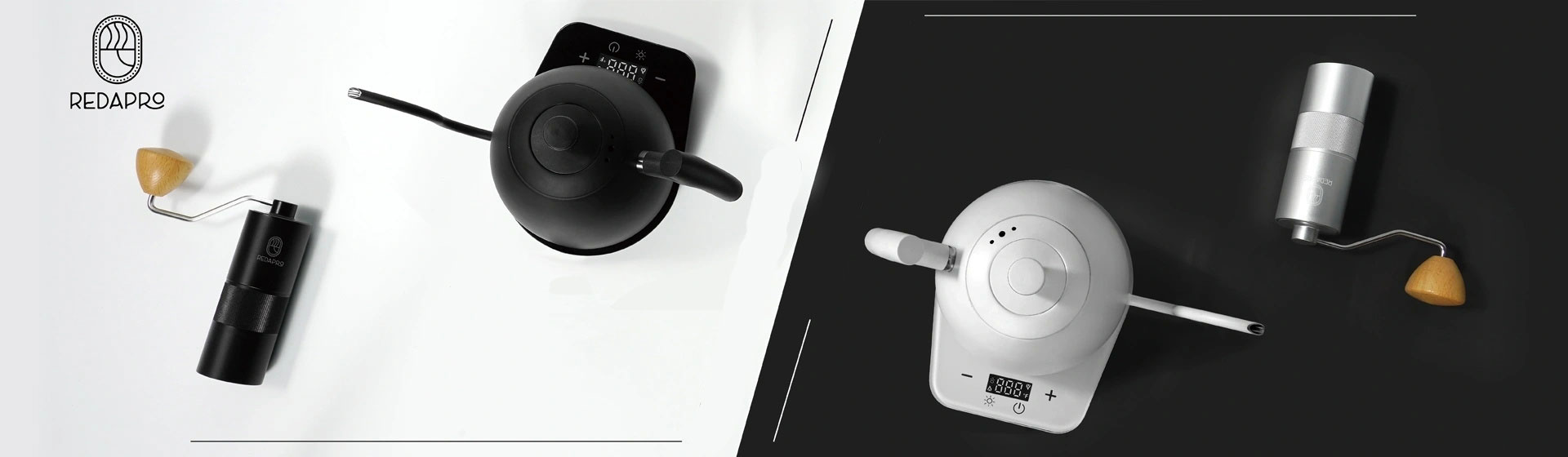
Cleaning a new Electric Kettle before first use is an essential step that many users overlook. During manufacturing, assembly, storage, and transportation, residues such as metal dust, polishing compounds, packaging odors, or factory testing water may remain inside the kettle. Proper initial cleaning ensures safe use, neutral taste, and stable performance from the first boil onward.
From a manufacturing and quality-control perspective, this process is not about fixing a defect, but about preparing the kettle for real-world use.
Even brand-new Electric Kettles may contain:
Fine metal or glass particles from forming and polishing
Residual oils from manufacturing processes
Odors from seals, gaskets, or packaging materials
Traces of water from factory safety testing
If not removed, these residues can cause unpleasant smells, affect water taste, or raise hygiene concerns during first use.
Before turning the kettle on:
Unplug the kettle
Rinse the interior thoroughly with clean water
Swirl the water around the base and walls
Pour out completely
This removes loose particles and surface dust.
Fill the kettle with clean water, above the minimum water level.
Switch the kettle on and allow it to boil fully.
Once it shuts off automatically, pour the water out.
This step heats internal components and begins removing light odors from seals and heating surfaces.
To fully remove manufacturing residue and neutralize odors, a mild descaling solution is recommended.
Citric acid is food-safe and suitable for stainless steel, glass, and plastic kettles.
Steps
Fill the kettle halfway with water.
Add 1–2 teaspoons of citric acid per liter of water.
Boil the solution.
Let it sit for 15–20 minutes after shut-off.
Pour out the solution.
Rinse thoroughly 2–3 times with clean water.
If citric acid is unavailable, white vinegar can be used.
Steps
Mix equal parts water and white vinegar.
Fill the kettle halfway.
Boil and let soak for 15–20 minutes.
Empty and rinse thoroughly.
Boil clean water once more to remove any remaining odor.
Because vinegar has a strong smell, extra rinsing is important.
Fill the kettle with fresh water.
Boil once.
Discard the water.
At this point, the kettle is ready for normal use.
New kettles may retain odors around non-heated areas.
Rinse the lid and spout area with warm water
Wipe gently with a soft cloth if needed
Ensure no moisture is trapped around seals
These areas often hold packaging or material odors longer than the main body.
Do not use abrasive pads or steel wool
Do not use harsh chemical cleaners
Do not scrape the heating plate
Do not immerse the kettle base in water
These actions can damage surfaces or internal components.
From a factory standpoint, Electric Kettles undergo electrical safety and heating tests before shipment, but final taste preparation is always completed by the end user. Initial cleaning ensures that the kettle performs as intended in different water conditions and climates.
Overseas buyers and distributors often recommend this process to reduce first-use complaints and improve customer satisfaction.
After initial cleaning:
Rinse regularly after use
Descale every 2–4 weeks depending on water quality
Empty and air-dry between uses
These habits maintain performance and hygiene long term.
Cleaning a new electric kettle before first use is a simple but critical step. By rinsing, boiling clean water, and using a mild citric acid or vinegar solution, you remove manufacturing residue, eliminate odors, and ensure safe, neutral-tasting water.
From a product-quality and user-experience perspective, proper first-time cleaning sets the foundation for reliable performance, better taste, and longer service life throughout the kettle’s use.