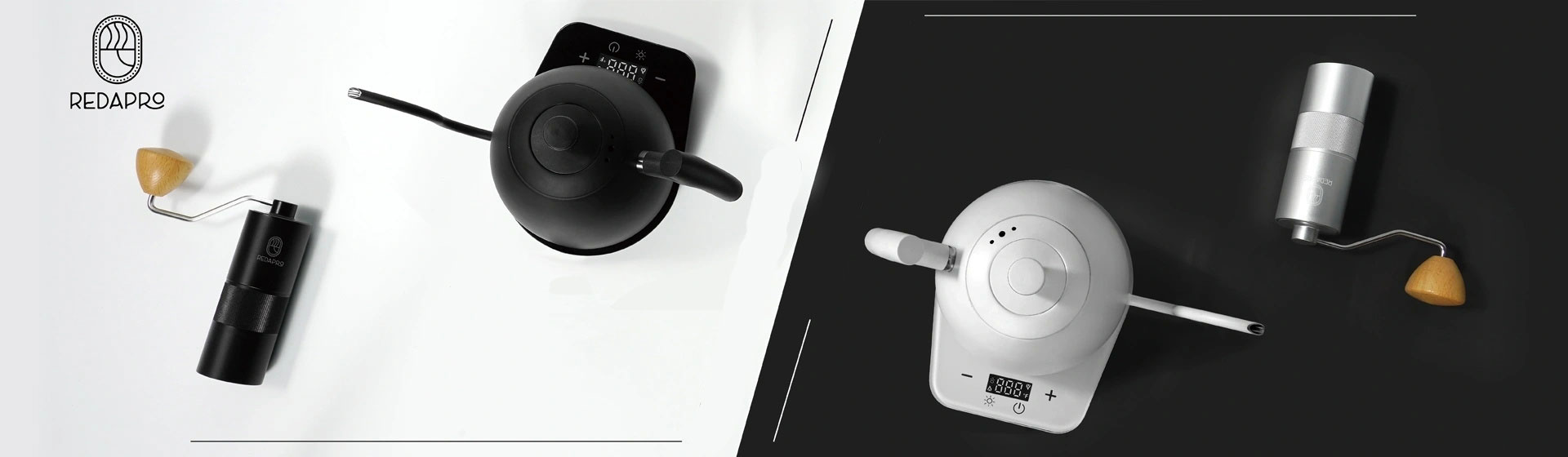
Electric Kettles are widely used around the world for boiling water quickly and conveniently. From households to offices and hospitality environments, they have become a standard appliance. A common question from overseas consumers and buyers is whether using an electric kettle is healthy in daily life. From a product engineering and manufacturing perspective, the answer depends on material quality, design standards, and correct usage rather than the appliance category itself.
Based on long-term experience in Electric Kettle and stainless steel houseware manufacturing, the following analysis explains the health aspects objectively and practically.
The primary health factor of an Electric Kettle is what materials come into contact with water.
High-quality electric kettles are designed so that boiling water only contacts:
Food-grade stainless steel
Heat-resistant glass
Certified food-safe plastics where applicable
When proper materials are used and processed correctly, electric kettles do not release harmful substances into water, even at boiling temperatures. In industrial production, food-grade stainless steel is widely applied in cookware, coffee equipment, and beverage tools due to its stability, corrosion resistance, and safety under high heat.
Health risks are more likely to appear only in low-quality products that use uncertified materials or poor internal coatings.
From a health standpoint, electric kettles provide a major benefit: effective water sterilization.
Boiling water:
Kills bacteria and microorganisms
Reduces biological contamination risks
Improves safety when using tap or stored water
Because electric kettles heat water rapidly and consistently to boiling temperature, they are an efficient tool for ensuring drinking water hygiene in many regions.
Electric kettles heat water using electricity rather than combustion.
This means:
No gas fumes
No combustion byproducts
No indoor air pollution during use
From a health and environmental perspective, this is an advantage over some traditional heating methods, especially in enclosed indoor spaces.
Many users notice white residue or scale inside kettles and worry about health effects.
Limescale is primarily composed of calcium and magnesium minerals naturally present in water. While it may affect taste and heating efficiency, it is not harmful to health in normal amounts.
However, heavy scale buildup can:
Increase boiling noise
Reduce heating efficiency
Shorten appliance lifespan
Regular cleaning improves performance and user experience but is not strictly required for health reasons.
Occasional odor or taste issues are typically caused by:
Manufacturing residue in new kettles
Standing water left inside
Lack of regular cleaning
These issues do not indicate health danger and are usually resolved by proper first-time cleaning and routine descaling.
From a factory quality-control perspective, final taste neutrality is always achieved by end-user cleaning before regular use.
From a health comparison perspective:
Electric kettles provide fast, consistent boiling
They do not introduce combustion residues
They limit prolonged heating that could concentrate impurities
When used correctly, electric kettles are at least as healthy as other common water-heating methods and often more consistent in daily use.
Health concerns are more likely if:
The kettle uses uncertified or poor-quality internal materials
Water is repeatedly boiled and left standing for long periods
The kettle is not cleaned for extended time in very hard-water areas
These issues are related to product quality and usage habits, not the electric kettle concept itself.
From a production standpoint, electric kettles designed for overseas markets follow strict material selection, temperature testing, and safety standards. Properly manufactured kettles are tested to ensure stable performance, material safety, and reliable automatic shut-off under repeated use.
This makes electric kettles a safe and dependable appliance category when sourced from qualified manufacturers and used according to instructions.
Using an electric kettle is healthy and safe when the product is made with certified food-contact materials and maintained properly. Electric kettles provide clean, fast boiling without combustion byproducts and support safe drinking water preparation in everyday life.
From a manufacturing and product-quality perspective, electric kettles are designed to balance efficiency, safety, and hygiene. With correct material selection, regular cleaning, and normal usage habits, electric kettles remain a reliable and health-conscious choice for daily water heating in global markets.