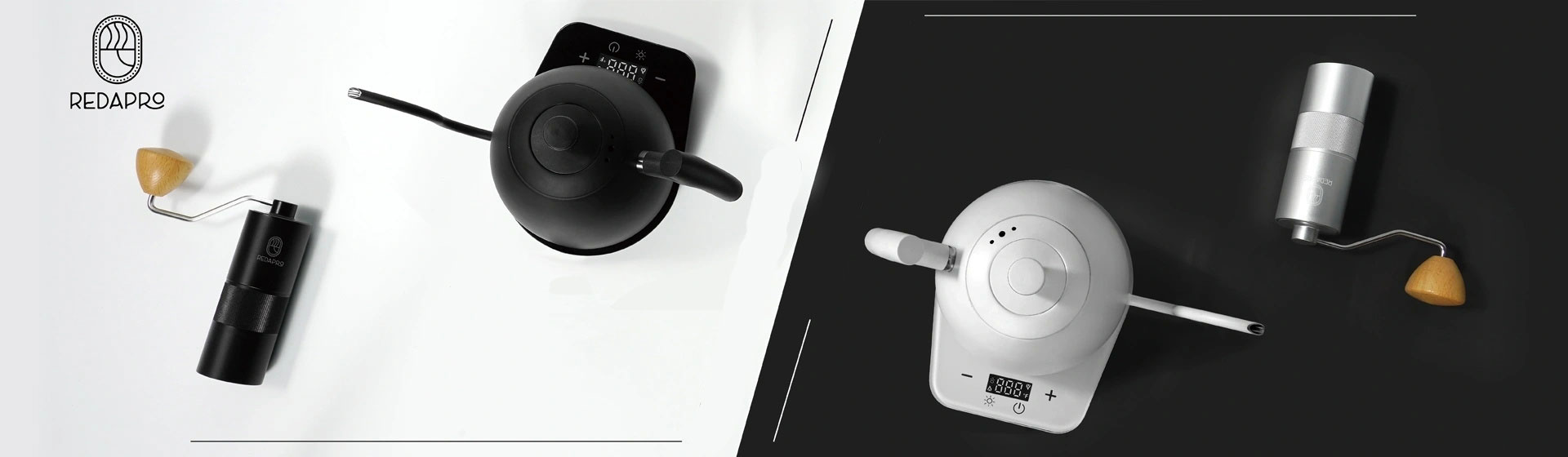
Cleaning an Electric Kettle with citric acid is one of the most effective, safest, and manufacturer-recommended methods for removing limescale, mineral buildup, and light residue. From a product engineering and long-term reliability perspective, citric acid provides strong descaling performance without damaging the heating plate, sensors, or internal surfaces.
This method is suitable for stainless steel, glass, and plastic electric kettles when used correctly.
Citric acid dissolves mineral deposits such as calcium carbonate and magnesium salts, which are the main components of kettle scale. Unlike harsh chemical cleaners, citric acid:
Breaks down limescale efficiently
Does not corrode food-contact materials
Leaves no toxic residue
Does not harm heating elements or thermostats
Produces minimal odor
From a manufacturing standpoint, citric acid is preferred because it cleans without accelerating material wear.
Clean your Electric Kettle with citric acid if you notice:
White or chalky buildup on the base or walls
Louder boiling or rumbling noise
Slower boiling time
Cloudy residue after boiling
Flat or unusual taste in water
These are performance indicators, not just cosmetic issues.
Citric acid powder
Clean water
Soft cloth if needed
No abrasive tools or chemical detergents are required.
Fill the kettle halfway with clean water.
Make sure the water level is above the minimum fill mark.
Add citric acid using the following ratio:
1–2 teaspoons of citric acid per liter of water
For heavy scale, use the higher amount. Do not exceed this ratio.
Turn on the kettle and allow the solution to boil fully.
Let the kettle switch off automatically.
This activates the descaling process at the heating plate, where scale forms most heavily.
After boiling, leave the solution inside the kettle for 15–30 minutes.
For severe buildup, soaking allows citric acid to penetrate hardened mineral layers without scraping.
Carefully pour out the solution.
Rinse the kettle thoroughly with clean water 2–3 times.
If residue remains, repeat the process rather than scrubbing.
Fill the kettle with fresh water.
Boil once and discard the water.
This removes any remaining acid taste and prepares the kettle for normal use.
Minerals often collect around the lid and spout.
Rinse with warm water
Wipe gently with a soft cloth
Ensure no moisture remains trapped
These areas affect odor and water flow but are often overlooked.
Recommended descaling frequency:
Soft or filtered water: every 4–6 weeks
Normal tap water: every 2–4 weeks
Hard water areas: every 1–2 weeks
From factory testing data, kettles cleaned regularly maintain stable heating performance and longer service life.
Do not use steel wool or abrasive pads
Do not scrape the heating plate
Do not mix citric acid with other cleaners
Do not immerse the kettle base in water
Do not overuse strong concentrations
Improper cleaning can damage surfaces or sensors.
From a production and export standpoint, citric acid cleaning:
Preserves heating efficiency
Reduces operating noise
Protects automatic shut-off accuracy
Lowers long-term failure rates
Kettles maintained with mild, regular descaling show significantly fewer after-sales issues than those cleaned infrequently or aggressively.
Cleaning an electric kettle with citric acid is a simple, safe, and highly effective way to remove limescale and maintain performance. By boiling a mild citric acid solution, allowing it to soak, and rinsing thoroughly, you protect the heating system, improve boiling efficiency, and extend the kettle’s lifespan.
From a manufacturing and long-term reliability perspective, regular citric acid descaling is one of the most important maintenance practices for electric kettles used in overseas markets.