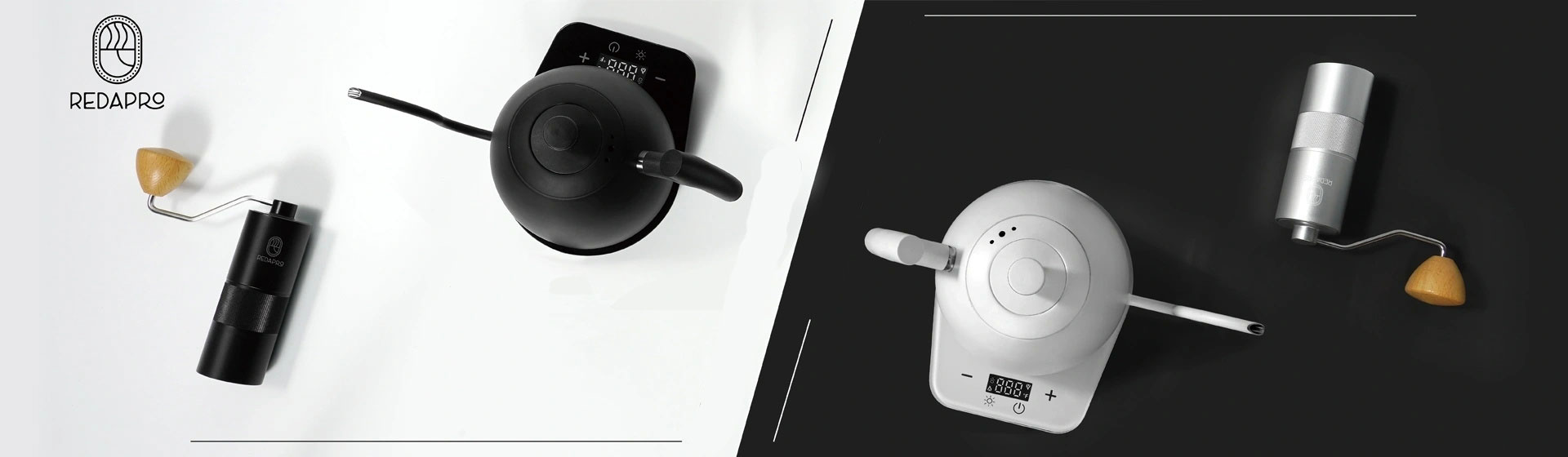
An Electric Kettle is primarily designed for boiling water, but under controlled conditions it can be used to prepare simple foods such as noodles, eggs, vegetables, rice portions, or small pieces of meat. However, safe cooking depends heavily on heating structure, material standards, temperature protection systems, and overall manufacturing quality.
JMREDA specializes in the production of electric kettles and small kitchen appliances, integrating mold development, injection molding, stainless steel processing, assembly, and structured quality testing. With export-oriented production and stable manufacturing capacity, JMREDA focuses on food-grade materials, electrical safety, and heating stability.
Electric Kettles can safely handle:
Instant noodles
Boiled eggs
Blanched vegetables
Oatmeal
Small rice portions
Thinly sliced meat
Because most kettles operate at approximately 100°C, they are suitable for boiling and steaming functions, but not for frying or dry heating.
Before cooking, confirm that the kettle has:
Food-grade stainless steel interior
Concealed heating element
Automatic shut-off system
Overheat protection
Exposed coil models are not suitable for food cooking beyond water boiling, as residue may accumulate directly on heating wires.
Manufacturers that use 304 stainless steel interiors ensure corrosion resistance and easier cleaning after cooking.
Cut food into small, uniform pieces to ensure even cooking. Avoid:
Excess oil
Thick sauces
Large bone-in meat portions
Keep water level within the maximum fill line to protect internal heating systems.
Place ingredients inside the kettle and add enough water to submerge them fully. Never operate the kettle without sufficient water, as dry heating may damage internal components.
Stable heating plates and calibrated thermostats maintain consistent boiling performance.
Turn on the kettle and allow water to reach a rolling boil. Some kettles automatically shut off once boiling is achieved. If necessary, restart carefully while monitoring.
Cooking time examples:
Eggs: 10–12 minutes
Instant noodles: 3–5 minutes
Vegetables: 5–8 minutes
Small chicken slices: 15–20 minutes (internal temperature must reach at least 75°C)
After cooking:
Drain contents carefully
Rinse interior thoroughly
Remove grease or residue
Dry completely before next use
Proper cleaning prevents scale buildup and maintains heating efficiency.
Cooking in an electric kettle may cause:
Grease accumulation
Mineral deposits
Heating plate discoloration
Only kettles engineered with corrosion-resistant interiors and strong thermal protection systems should be used for multi-purpose cooking.
When sourcing electric kettles for retail or commercial supply, supplier type affects safety and durability.
Control over stainless steel grade
In-house mold production
Heating element precision installation
Structured safety testing
Stable production capacity
JMREDA integrates mold fabrication, injection molding, heating assembly, and final inspection within a controlled factory environment.
Limited oversight of raw materials
No direct heating calibration control
Inconsistent batch quality
Reduced traceability
For bulk procurement, direct manufacturer cooperation reduces risk.
Structured OEM / ODM processes allow customization of:
Capacity size
Heating wattage
Interior material thickness
Temperature control features
Lid locking structure
Packaging design
Development stages include:
Design feasibility study
Mold fabrication
Prototype evaluation
Electrical safety validation
Boiling efficiency testing
Mass production confirmation
Engineering validation ensures performance stability.
For large-scale sourcing, evaluate:
Production capacity
MOQ flexibility
Lead time reliability
Electrical certification documentation
Spare component availability
Consistent production systems ensure uniform quality across shipments.
Professional electric kettle production includes:
Incoming stainless steel inspection
Injection molding of housing
Heating element installation
Wiring assembly
Functional boiling test
Auto shut-off verification
Final inspection
Precision assembly reduces overheating and performance variation.
Reliable production incorporates:
Insulation resistance testing
Wattage accuracy verification
Boiling time measurement
Auto shut-off calibration
Final safety inspection
These checkpoints ensure consistent heating behavior.
High-quality electric kettles typically use:
Food-grade stainless steel interior
Heat-resistant outer housing
Certified copper wiring
Thermal protection thermostats
Corrosion-resistant heating plates
Material discipline directly impacts safety and durability.
Electric kettles distributed internationally must comply with:
Electrical safety standards
Voltage and frequency requirements
Environmental material regulations
Certification documentation for customs clearance
Manufacturers experienced in export markets integrate compliance validation into production planning.
Cooking in an electric kettle is possible for boiling-based foods, provided the appliance is engineered with food-grade materials, concealed heating elements, and reliable safety protection systems. From a sourcing perspective, product safety, material standards, manufacturing precision, and export compliance are far more critical than basic functionality.
For bulk procurement and private label projects, partnering directly with a structured manufacturer like JMREDA ensures stable OEM / ODM capability, disciplined quality control, certified material usage, and reliable long-term supply performance.