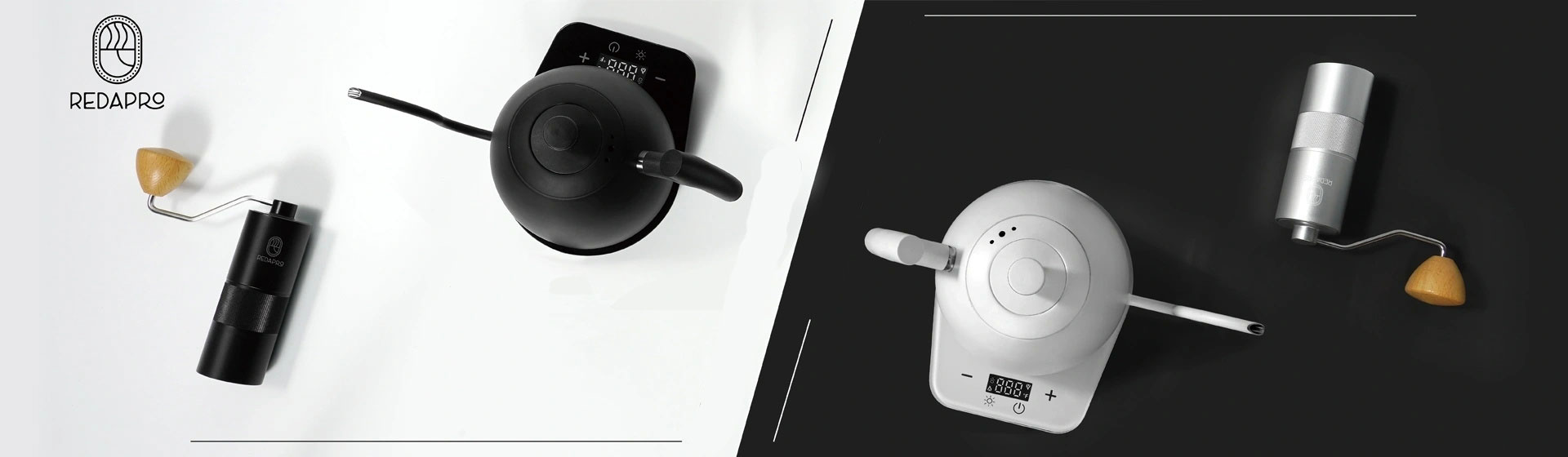
A broken Electric Kettle should never be thrown directly into regular household waste. electric kettles contain electrical wiring, heating elements, thermostats, plastic housing, and stainless steel components, all of which fall under electronic waste classification in many countries. Proper disposal protects the environment and complies with international waste management regulations.
JMREDA manufactures Electric Kettles and small kitchen appliances with structured material control, standardized component sourcing, and export-oriented compliance management. Understanding how kettles are built helps explain why responsible disposal is necessary.
Electric kettles contain:
Copper wiring
Stainless steel interior body
Thermostatic control units
Plastic housing components
Electrical base connectors
These materials cannot be safely processed in general landfill systems. Many regions classify small appliances as electronic waste due to their electrical components.
Improper disposal may result in:
Environmental contamination
Recycling loss of valuable metals
Violation of local waste regulations
Before disposal:
Ensure the kettle is unplugged
Remove detachable base if applicable
Empty all remaining water
Some components such as detachable bases may be recyclable separately depending on local regulations.
Check for:
Municipal electronic recycling centers
Retail take-back programs
Appliance recycling initiatives
Authorized electronic waste collection facilities
Many countries require small electrical appliances to be processed through certified recycling channels.
In certain regions, recycling facilities may:
Extract stainless steel bodies
Recover copper heating elements
Separate plastic housing
Dispose of non-recyclable insulation materials
Electric kettles manufactured with high-grade stainless steel improve recyclability compared to low-quality composite materials.
Do not:
Burn the appliance
Dismantle electrical parts without proper tools
Dispose in standard trash bins
Electrical insulation and internal thermostats must be processed through controlled systems.
Modern electric kettle manufacturing increasingly focuses on:
Food-grade stainless steel interiors
Recyclable thermoplastics
Reduced hazardous substances
Long-life heating elements
Material discipline during production simplifies responsible disposal at end-of-life.
When sourcing electric kettles for retail or commercial distribution, supplier type affects environmental accountability.
Transparent material sourcing
Compliance documentation
Traceable component suppliers
Standardized production records
Support for recycling certification requirements
JMREDA integrates mold development, injection molding, heating assembly, and final inspection within a controlled production system to ensure consistent material standards.
Limited visibility into material composition
Inconsistent documentation
Reduced environmental compliance traceability
Variable quality across batches
For bulk buyers, direct manufacturer cooperation reduces environmental and regulatory risk.
Structured OEM / ODM development allows customization of:
Recyclable housing materials
Stainless steel thickness
Energy efficiency optimization
Reduced hazardous component usage
Sustainable packaging design
The development workflow includes:
Material feasibility evaluation
Mold fabrication
Electrical safety validation
Environmental material testing
Production approval
Engineering validation supports regulatory compliance.
Procurement teams should evaluate:
Material disclosure documentation
Environmental certification
Packaging sustainability
Product lifespan durability
After-sales technical support
Longer product life reduces overall environmental impact.
Professional electric kettle production includes:
Stainless steel sheet inspection
Injection molding of outer shell
Heating element installation
Thermostat calibration
Electrical safety testing
Final inspection
Structured manufacturing ensures material consistency and compliance readiness.
Reliable production incorporates:
Insulation resistance testing
Wattage accuracy verification
Boiling efficiency measurement
Auto shut-off calibration
Final safety inspection
These checkpoints ensure safe operation throughout the product lifecycle.
High-quality electric kettles typically use:
Food-grade stainless steel interior
Heat-resistant thermoplastic housing
Certified copper wiring
Overheat protection thermostats
Corrosion-resistant heating plates
Material selection directly influences recyclability and environmental performance.
Electric kettles distributed internationally must comply with:
Electrical safety standards
Environmental material regulations
Hazardous substance restrictions
Documentation for customs clearance
Manufacturers experienced in export markets integrate compliance validation into production planning to reduce regulatory risk.
Disposing of a broken electric kettle requires using certified electronic waste recycling channels rather than general trash systems. Responsible disposal protects the environment and ensures valuable materials such as stainless steel and copper are recovered properly.
From a sourcing perspective, product lifecycle responsibility begins at manufacturing. Partnering directly with a structured manufacturer like JMREDA ensures transparent material standards, disciplined production control, compliance documentation, and sustainable product design that supports safe disposal and long-term market responsibility.