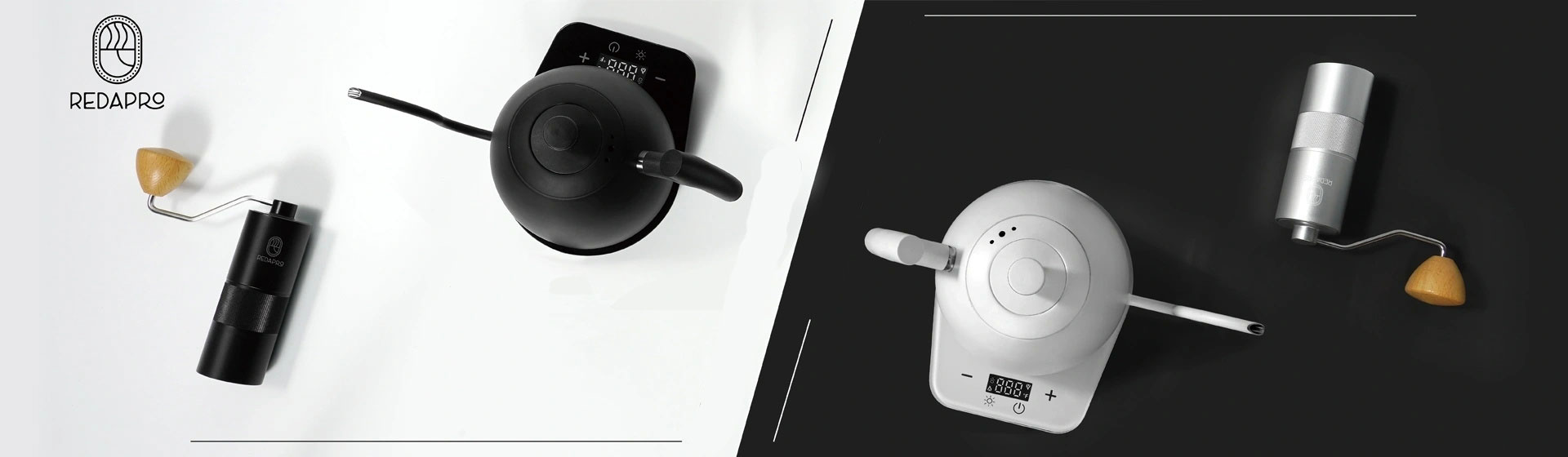
Heating water in an Electric Kettle is generally safe when the appliance is manufactured according to proper electrical standards, uses food-grade materials, and includes certified thermal protection systems. Modern electric kettles are specifically engineered to boil water efficiently while preventing overheating, electrical leakage, and material contamination.
JMREDA specializes in manufacturing Electric Kettles and small kitchen appliances, integrating stainless steel processing, injection molding, heating element assembly, and structured electrical safety testing. With export-oriented production and stable manufacturing capacity, JMREDA focuses on safety compliance, material control, and heating stability.
Electric kettles are purpose-built appliances with:
Calibrated heating elements
Automatic shut-off mechanisms
Overheat protection thermostats
Insulated wiring systems
Controlled temperature cutoff at boiling point
Most kettles heat water to approximately 100°C and automatically switch off once boiling is reached, preventing continuous dry heating.
High-quality kettles use:
Food-grade stainless steel interior
Heat-resistant plastic housing
Certified copper wiring
BPA-free plastic components
Food-contact surfaces must comply with material safety regulations to prevent chemical migration during heating.
Modern kettles include:
Auto shut-off at boiling point
Dry-boil protection
Thermostat reset mechanisms
These systems prevent internal overheating and reduce fire risk.
Proper insulation includes:
High-temperature resistant internal wiring
Grounding protection
Insulation resistance validation
Stable base connector design
Electrical safety depends heavily on manufacturing precision and component quality.
New kettles may release minor odor due to initial heating of components. This typically dissipates after a few boiling cycles.
Hard water may cause mineral deposits inside the kettle. Regular cleaning prevents efficiency loss and overheating.
Low-quality kettles may use inferior stainless steel or uncertified plastics, increasing long-term safety risks.
When sourcing electric kettles for retail or bulk supply, supplier type directly affects safety reliability.
Full control over raw material sourcing
In-house mold production
Heating element calibration testing
Structured electrical safety validation
Stable mass production capacity
JMREDA integrates mold development, injection molding, heating assembly, and final inspection within a controlled production system to ensure consistent safety performance.
Limited visibility into material composition
No direct oversight of heating element installation
Inconsistent batch quality
Reduced compliance documentation
For bulk procurement, direct manufacturer cooperation reduces risk and improves traceability.
Structured OEM / ODM development allows customization of:
Heating wattage
Stainless steel thickness
Thermostat sensitivity
Overheat protection calibration
Safety certification requirements
Development stages typically include:
Design feasibility evaluation
Mold fabrication
Electrical safety validation
Insulation resistance testing
Boiling efficiency testing
Mass production approval
Engineering validation ensures long-term operational stability.
Procurement teams should evaluate:
Production capacity stability
Certification documentation
Voltage compatibility
Quality inspection standards
After-sales support
Consistent manufacturing systems ensure uniform safety performance across large shipments.
Professional electric kettle production includes:
Stainless steel sheet inspection
Injection molding of housing
Heating element installation
Thermostat assembly
Electrical insulation testing
Functional boiling test
Auto shut-off verification
Final inspection
Structured production reduces operational defects.
Reliable production incorporates:
Insulation resistance measurement
Wattage accuracy verification
Thermal protection testing
Grounding continuity testing
Final safety inspection
These checkpoints confirm safe heating operation.
High-quality electric kettles typically use:
Food-grade stainless steel interior
Heat-resistant thermoplastic housing
Certified copper wiring
Precision thermostats
Corrosion-resistant heating plates
Material discipline directly impacts safety and durability.
Electric kettles distributed internationally must comply with:
Electrical safety standards
Voltage and frequency regulations
Environmental material restrictions
Certification documentation for customs clearance
Manufacturers experienced in export markets integrate compliance validation into production planning to reduce regulatory risk.
Heating water in an electric kettle is safe when the appliance is manufactured with food-grade materials, reliable heating components, proper insulation, and certified thermal protection systems. Safety performance depends not only on usage but also on manufacturing precision, material selection, and structured quality control.
From a sourcing perspective, partnering directly with a structured manufacturer like JMREDA ensures stable OEM / ODM capability, disciplined safety testing, certified material standards, and reliable export compliance for long-term market success.