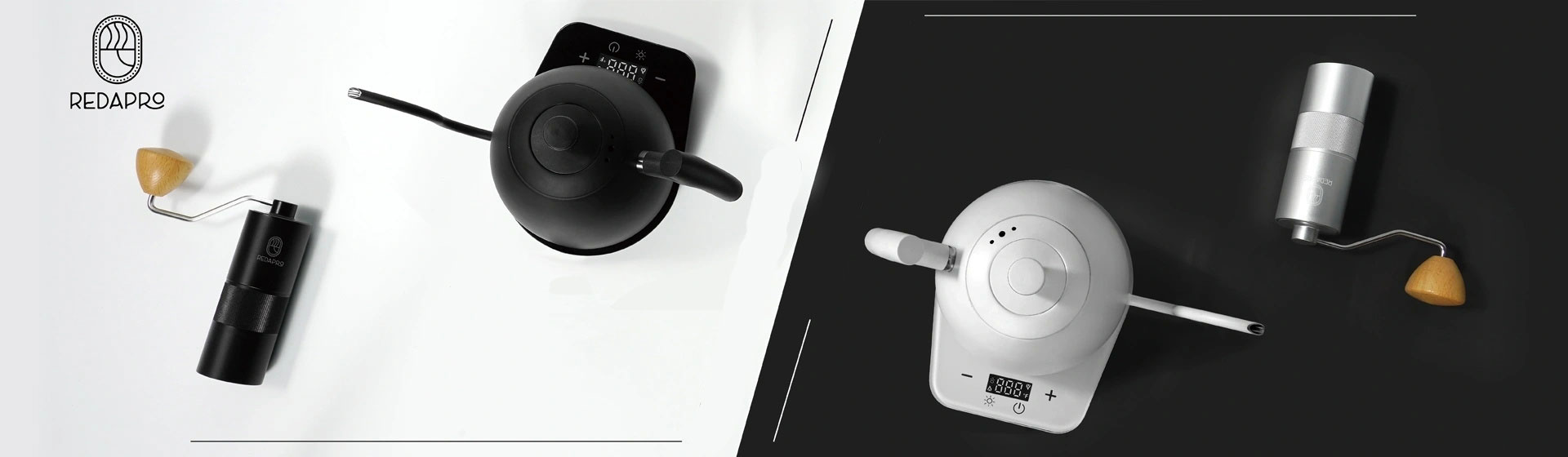
Heating milk in an Electric Kettle is possible, but it must be done carefully. Unlike water, milk contains proteins, fats, and natural sugars, which can stick to heating surfaces and burn if temperature rises too quickly. Since most electric kettles are engineered primarily for boiling water, understanding the kettle’s material standards and heating structure is essential before attempting to heat milk.
JMREDA manufactures Electric Kettles and small kitchen appliances with integrated mold development, stainless steel forming, injection molding, heating element installation, and structured electrical safety testing. Stable heating control and food-grade materials are critical for safe multi-purpose use.
Yes, but only under controlled conditions and preferably in kettles with:
Food-grade stainless steel interior
Concealed heating element
Accurate thermostat control
Overheat protection system
Kettles with exposed heating coils are not suitable, as milk may burn directly onto the element and cause permanent damage.
Pour milk into the kettle but keep it below the maximum fill line. Heating smaller volumes reduces overheating risk.
Recommended amount: 300–500 ml depending on kettle capacity.
Turn on the kettle and stay nearby. Unlike water, milk can:
Foam rapidly
Rise suddenly
Burn at the base
If the kettle auto-shuts off at boiling, immediately unplug once milk reaches desired temperature. Milk does not need to boil; 60–70°C is sufficient for drinking.
If safe and practical, gently stir to prevent milk from sticking to the base. Use non-metal utensils to avoid scratching stainless steel interiors.
Milk expands and forms foam when heated. Switch off the kettle before it reaches full boil to avoid overflow.
After heating:
Rinse with warm water
Remove residue immediately
Avoid letting milk dry inside
Wipe heating plate thoroughly
Prompt cleaning prevents protein buildup and scale formation.
Heating milk improperly may cause:
Burned residue on heating plate
Thermostat malfunction
Overheat protection activation
Odor retention
Reduced heating efficiency
Only kettles engineered with corrosion-resistant stainless steel interiors and calibrated thermostats should be considered for occasional milk heating.
When sourcing electric kettles for retail or commercial distribution, supplier type significantly affects reliability and safety.
Control over stainless steel grade
Precision heating element installation
Thermostat calibration testing
Structured electrical safety validation
Stable production consistency
JMREDA integrates injection molding, heating assembly, and final inspection within a controlled factory system to ensure uniform performance.
Limited oversight of internal components
Inconsistent heating calibration
Variable material quality
Reduced traceability
For bulk procurement, direct manufacturer cooperation reduces performance risks.
Structured OEM / ODM processes allow customization of:
Adjustable temperature control
Stainless steel thickness
Enhanced thermal insulation
Anti-burn surface design
Overheat sensitivity calibration
Development workflow includes:
Design feasibility evaluation
Mold fabrication
Heating performance testing
Temperature accuracy validation
Electrical safety certification
Mass production approval
Engineering validation ensures controlled heating behavior.
Procurement teams should evaluate:
Production capacity stability
Heating wattage consistency
Certification documentation
Voltage compatibility
After-sales technical support
Reliable factory operations ensure consistent heating behavior across shipments.
Professional electric kettle production includes:
Stainless steel sheet inspection
Injection molding of housing
Heating element assembly
Copper wiring installation
Functional boiling test
Auto shut-off calibration
Final inspection
Structured production minimizes overheating risks.
Reliable production incorporates:
Wattage accuracy testing
Thermal protection validation
Insulation resistance measurement
Boiling time measurement
Final safety inspection
These checkpoints ensure stable and safe operation.
High-quality electric kettles typically use:
Food-grade stainless steel interior
Heat-resistant external housing
Certified copper wiring
Precision thermostats
Corrosion-resistant heating plates
Material discipline directly impacts durability and hygiene.
Electric kettles distributed internationally must comply with:
Electrical safety standards
Voltage and frequency regulations
Environmental material restrictions
Certification documentation for customs clearance
Manufacturers experienced in export markets integrate compliance validation into production planning.
Heating milk in an electric kettle is possible but requires careful monitoring and immediate cleaning. Milk should be heated gently without reaching full boil to prevent overflow and residue buildup. While the method is convenient, long-term safety depends on kettle material quality, thermostat accuracy, and thermal protection systems.
From a sourcing perspective, performance stability and safety compliance depend on structured manufacturing control and certified material standards. Partnering directly with a disciplined manufacturer like JMREDA ensures stable OEM / ODM capability, consistent heating performance, certified components, and reliable bulk supply for sustainable market development.