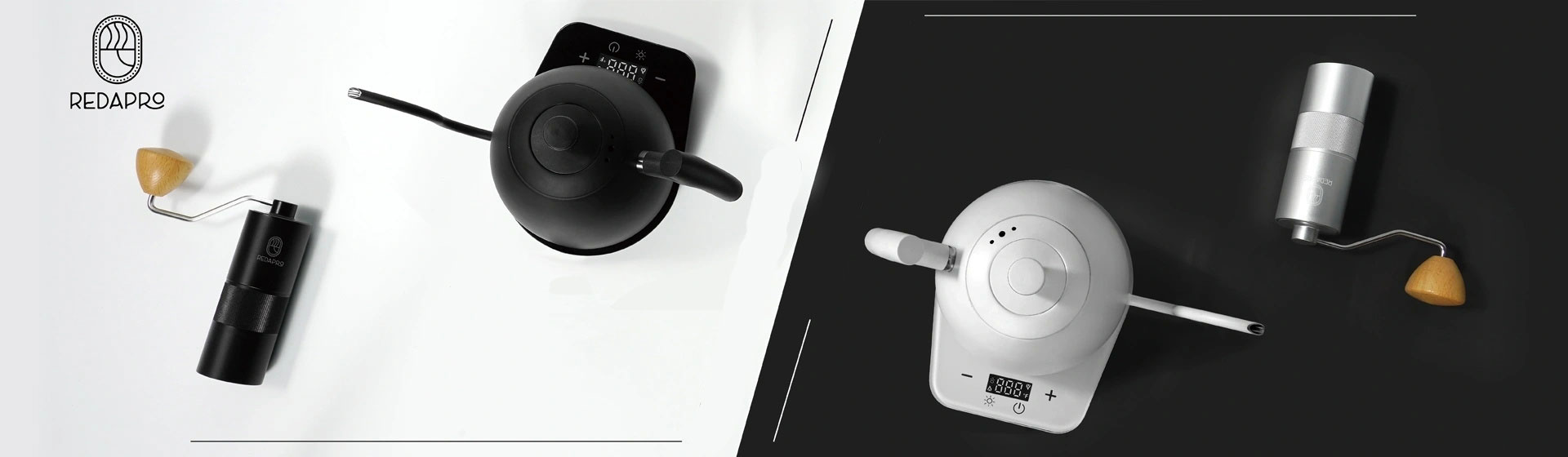
Making tea in an Electric Kettle with milk powder is a practical solution in environments where a stove or full kitchen is not available. In offices, dormitories, hotels, or temporary kitchens, an electric kettle can heat water quickly and efficiently, allowing users to prepare simple milk tea with minimal equipment.
The process begins by filling the electric kettle with clean water and turning it on to boil. Modern electric kettles are designed to heat water rapidly using internal heating elements, bringing water to boiling temperature within minutes.
Once the water reaches boiling point, tea leaves or tea bags can be added directly to a cup or container. Pour the hot water from the kettle over the tea and allow it to steep for several minutes. After the tea has brewed, milk powder can be added and stirred until it dissolves completely. Sugar or other flavoring ingredients may also be added depending on preference.
Because milk behaves differently from water when heated, many manufacturers recommend boiling water first and adding milk powder afterward instead of heating milk directly in the kettle. This approach prevents residue buildup on the heating plate and keeps the kettle easier to clean.
From a manufacturing perspective, electric kettles are designed specifically for rapid water heating rather than cooking food or dairy products. The appliance typically includes a stainless steel body, a heating plate, a temperature control system, and automatic shut-off protection. Rapid boiling technology allows water to reach the required temperature quickly while maintaining energy efficiency.
Jiangmen Changkun Industrial Co., Ltd, operating through the REDAPRO brand, is a manufacturer of Coffee Accessories, electric kettles, and kitchenware products. The company operates its own stainless steel production facility equipped with more than twenty advanced machines and specialized workshops for mold production, punching, and assembly.
When sourcing electric kettles, the difference between manufacturers and trading companies becomes important. Traders usually supply products sourced from multiple factories and have limited control over design changes, material specifications, and production schedules. Manufacturers, by contrast, control the full production process including mold development, metal forming, assembly, and testing.
As a manufacturing supplier, REDAPRO integrates production resources and engineering capabilities, allowing it to maintain consistent product specifications and provide stable supply for international buyers.
Electric kettle buyers often require customized products for different markets. OEM projects may involve brand logos, packaging design, color options, and plug configurations. ODM development can include adjustments to kettle structure, capacity, handle design, or heating performance.
Manufacturers with in-house production workshops can coordinate these adjustments more efficiently because mold design, component fabrication, and assembly processes are managed within the same production system.
The manufacturing process of an electric kettle generally involves several key stages. Stainless steel sheets are first cut and formed into the kettle body through stamping or spinning processes. Components such as heating plates, thermostats, and handles are then assembled. After assembly, the kettle undergoes polishing, surface finishing, and electrical safety testing before packaging.
Factories equipped with specialized workshops and automated machinery can maintain better dimensional accuracy and consistent product performance.
Reliable electric kettles require strict quality control during production. Key inspection steps often include heating performance verification, electrical safety testing, leakage checks, and structural inspection. Quality management systems such as ISO9001 and ISO14001 are commonly used to ensure production consistency and environmental compliance.
These checkpoints ensure that every kettle operates safely and maintains stable boiling performance throughout its service life.
Material selection plays a major role in electric kettle durability and safety. High-quality kettles often use food-grade stainless steel such as 304 stainless steel for the interior surfaces because it offers strong corrosion resistance and durability under repeated heating cycles.
Other components such as handles, lids, and base units are typically manufactured from heat-resistant materials designed to withstand continuous use.
For international buyers sourcing electric kettles in large quantities, several factors should be evaluated carefully. These include production capacity, material consistency, product certification, and packaging standards. Manufacturers capable of providing thousands of units with consistent quality and stable delivery schedules are usually better suited for large distribution or retail projects.
Electric kettles exported to global markets must comply with electrical safety and product standards required by importing regions. Compliance requirements may include electrical safety testing, labeling regulations, and product certification depending on the destination market.
Manufacturers with established production systems and quality management frameworks are better positioned to meet these requirements and support long-term export projects.
Preparing tea with milk powder using an electric kettle is a simple and practical solution for many environments. Beyond daily convenience, the performance and reliability of electric kettles depend heavily on manufacturing quality, material standards, and production control. Manufacturers with integrated stainless steel production facilities, structured quality management systems, and OEM or ODM capabilities can provide stable electric kettle supply for international buyers and long-term distribution projects.
Previous: How To Operate Electric Kettle