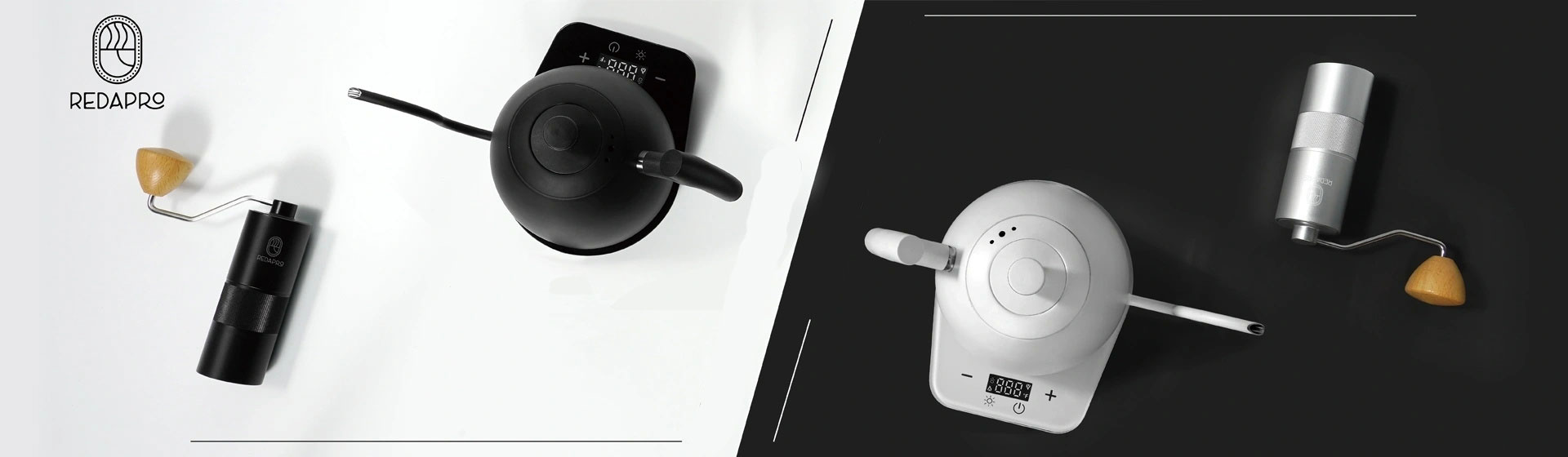
An Electric Kettle is a common kitchen appliance designed to heat water quickly and efficiently. It uses an internal heating element and automatic temperature control to bring water to a boil within a short period of time. Operating an electric kettle is simple, but following the correct steps helps ensure safe use and stable performance.
The first step is to fill the kettle with clean water. Open the lid and pour water into the kettle up to the marked maximum level line. Avoid overfilling, as excess water may spill during boiling. Most Electric Kettles include clear measurement marks inside the body to help control the amount of water.
After filling the kettle, place it securely on the base unit if it uses a detachable power base. Then close the lid firmly to prevent steam from escaping during heating. Plug the kettle into a power outlet and press the power switch to start the heating process.
Once the kettle is turned on, the internal heating element begins to heat the water rapidly. Many electric kettles include an indicator light that shows when the appliance is operating. When the water reaches the boiling point, the kettle automatically switches off to prevent overheating.
After the kettle shuts off, carefully lift it from the base and pour the hot water into a cup, teapot, or container. The handle and lid are usually designed with heat-resistant materials to allow safe handling.
From a manufacturing perspective, electric kettles are designed with several key components, including the stainless steel body, heating plate, thermostat, lid structure, and power base. These parts must be assembled with precise tolerances to ensure safe and efficient operation.
Companies such as REDAPRO manufacture electric kettles through integrated production processes that include stainless steel forming, punching, welding, polishing, and final assembly. Specialized workshops and production equipment help maintain consistent product quality and dimensional accuracy.
When sourcing electric kettles, buyers often evaluate the difference between manufacturers and trading suppliers. Trading companies typically source products from various factories, while manufacturers control the full production process. A manufacturer can manage mold development, material selection, and assembly procedures directly, which improves production stability and product consistency.
Manufacturers with in-house facilities are also better positioned to manage production schedules and maintain uniform specifications across large orders.
Electric kettles are often customized for different markets through OEM and ODM cooperation. OEM projects generally focus on brand logos, packaging design, color options, and plug specifications. ODM development may involve structural design changes, capacity adjustments, or functional improvements.
Manufacturers that operate their own production facilities can support these development processes more efficiently by coordinating mold design, component fabrication, and assembly within a unified system.
Strict quality control is essential for electric kettle production. Key inspection steps often include electrical safety testing, heating performance verification, leakage checks, and structural inspections. These tests ensure that the kettle operates safely and maintains stable heating performance.
Factories operating under structured quality management systems typically implement inspection procedures at multiple stages of production to maintain consistent product standards.
Material quality is a critical factor in electric kettle manufacturing. High-quality kettles commonly use food-grade stainless steel for the interior body to ensure corrosion resistance and safe contact with water. Heat-resistant plastics are often used for handles, lids, and base components to improve durability and user safety.
For buyers sourcing electric kettles in large quantities, several factors should be evaluated carefully. These include production capacity, material consistency, delivery schedules, and packaging standards. Manufacturers capable of stable large-scale production are better suited for international distribution and retail supply chains.
Electric kettles exported to global markets must meet electrical safety standards and regulatory requirements defined by different countries. These requirements often include product safety certification, labeling compliance, and electrical testing to ensure safe operation in various regions.
Manufacturers with established production systems and structured quality management frameworks are better positioned to meet these requirements and support long-term international supply projects.