An Electric Kettle switch controls the power supply to the heating element. When the switch becomes faulty, the kettle may fail to turn on, shut off unexpectedly, or not stay in the “on” position. These problems are usually caused by worn contacts, internal damage, or loose wiring inside the switch mechanism. Repairing the switch requires careful inspection and proper handling of the electrical components.
Before starting any repair, unplug the kettle from the power source to ensure safety. Most electric kettles have screws located at the bottom of the base. Remove these screws to open the bottom cover and access the internal components, including the switch, wiring connections, and heating system.
Once the base is open, locate the power switch assembly. Check whether the switch lever moves smoothly and whether the internal contacts appear damaged or burned. If dust or debris has accumulated around the switch mechanism, gently clean it using a dry cloth or compressed air.
Loose wiring connections can also prevent the switch from working properly. Inspect the electrical wires connected to the switch and ensure that they are firmly attached to their terminals.
If the switch contacts are slightly worn or dirty, cleaning them carefully may restore normal function. However, if the switch is physically damaged or the internal spring mechanism is broken, replacing the switch is usually the best solution. Replacement switches must match the voltage and design specifications of the kettle to ensure safe operation.
After repairing or replacing the switch, reassemble the kettle base and tighten the screws securely. Plug the kettle back in and test the switch to confirm that the appliance powers on and shuts off correctly.
From a manufacturing perspective, the reliability of an Electric Kettle switch depends on component quality and assembly precision. Electric Kettles are typically designed with integrated heating systems, thermostats, and automatic shut-off protection to ensure safe operation during boiling.
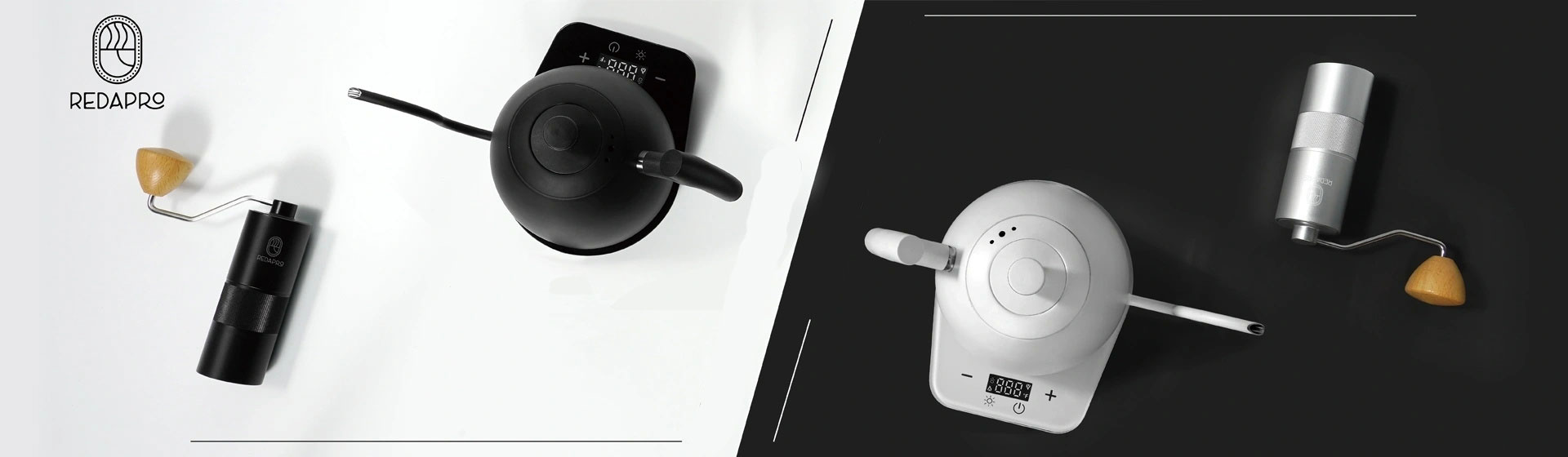
Manufacturers such as REDAPRO produce electric kettles through controlled production processes including stainless steel forming, component assembly, and electrical system integration. These processes help maintain stable performance and reduce the risk of electrical failures.
During production, electric kettles usually undergo several quality inspections, including switch function testing, heating performance verification, and electrical safety checks. These checkpoints help ensure that the switch mechanism operates reliably under repeated use.
High-quality electric kettles often use food-grade stainless steel for the interior body and heat-resistant materials for the handle and base components. Durable electrical components and precise assembly help maintain long service life and consistent operation.
For buyers sourcing electric kettles in large quantities, evaluating component quality, manufacturing capability, and quality management systems is essential. Manufacturers with integrated production facilities and standardized testing procedures are better positioned to provide reliable appliances.
Electric kettles exported to international markets must also comply with electrical safety standards and certification requirements defined by different regions. Manufacturers with established production systems and export experience can better support global supply and long-term distribution projects.