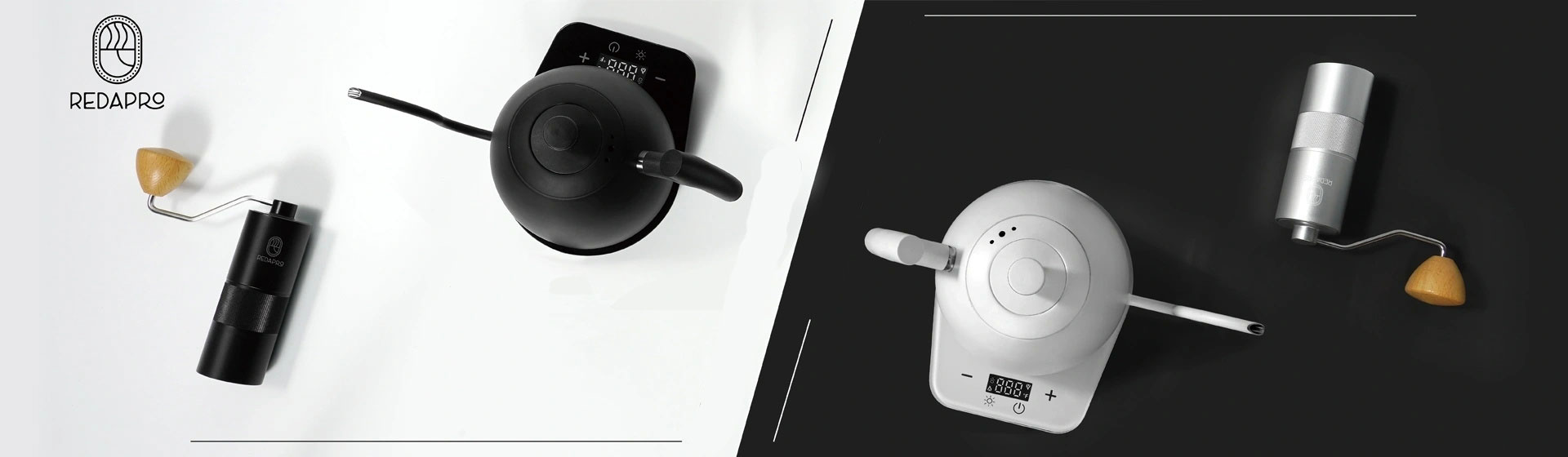
The thermostat in an Electric Kettle controls the heating process and automatically turns the kettle off when the water reaches boiling temperature. If the thermostat becomes faulty, the kettle may fail to heat properly, shut off too early, or continue heating without turning off. Repairing the thermostat requires inspecting the internal components and replacing damaged parts when necessary.
Before starting the repair, unplug the kettle from the power outlet to ensure safety. Most electric kettles have screws located at the bottom of the base. Remove these screws and carefully open the base cover to access the internal heating system and thermostat assembly.
The thermostat is usually positioned near the heating plate inside the kettle base. It works together with a temperature sensor that detects steam or heat when the water reaches boiling temperature. Inspect the thermostat for visible signs of damage such as burnt contacts, loose wires, or broken connectors.
Sometimes the thermostat stops working correctly due to dust, mineral deposits, or loose electrical connections. Gently clean the component with a dry cloth and check whether the wiring terminals are firmly connected. If the thermostat switch mechanism is stuck, adjusting the contact alignment may restore proper function.
If the thermostat is damaged or no longer responds to temperature changes, replacing it is usually the most effective solution. The replacement part must match the kettle’s voltage and design specifications to ensure safe operation. After installing the new thermostat, reassemble the kettle base and secure the screws.
Once the kettle is reassembled, plug it back into the power outlet and fill it with water. Turn on the kettle and observe whether it heats normally and shuts off automatically once the water reaches boiling temperature. Proper thermostat function is essential for safety and energy efficiency.
From a manufacturing perspective, the thermostat is one of the most important safety components in an Electric Kettle. It works with the heating element and automatic shut-off system to prevent overheating. Reliable kettles require precise assembly of electrical components and accurate temperature sensing.
Manufacturers such as REDAPRO produce Electric Kettles through integrated production processes that include stainless steel forming, component assembly, and electrical system integration. This controlled manufacturing approach helps maintain stable heating performance and consistent product quality.
During production, electric kettles undergo several quality inspections including thermostat function testing, heating performance verification, and electrical safety checks. These tests ensure that the kettle heats water efficiently and automatically shuts off when boiling is reached.
High-quality electric kettles typically use food-grade stainless steel interiors to resist corrosion and maintain safe contact with water. Heat-resistant plastics are used for handles, lids, and base components to provide durability and safe handling.
For buyers sourcing electric kettles in large quantities, evaluating component quality, production capability, and testing procedures is essential. Manufacturers with integrated production facilities and structured quality management systems can maintain consistent product standards across large orders.
Electric kettles intended for international markets must meet electrical safety standards and product certification requirements defined by different regions. Manufacturers with established quality systems and export experience are better prepared to support long-term global supply and distribution.