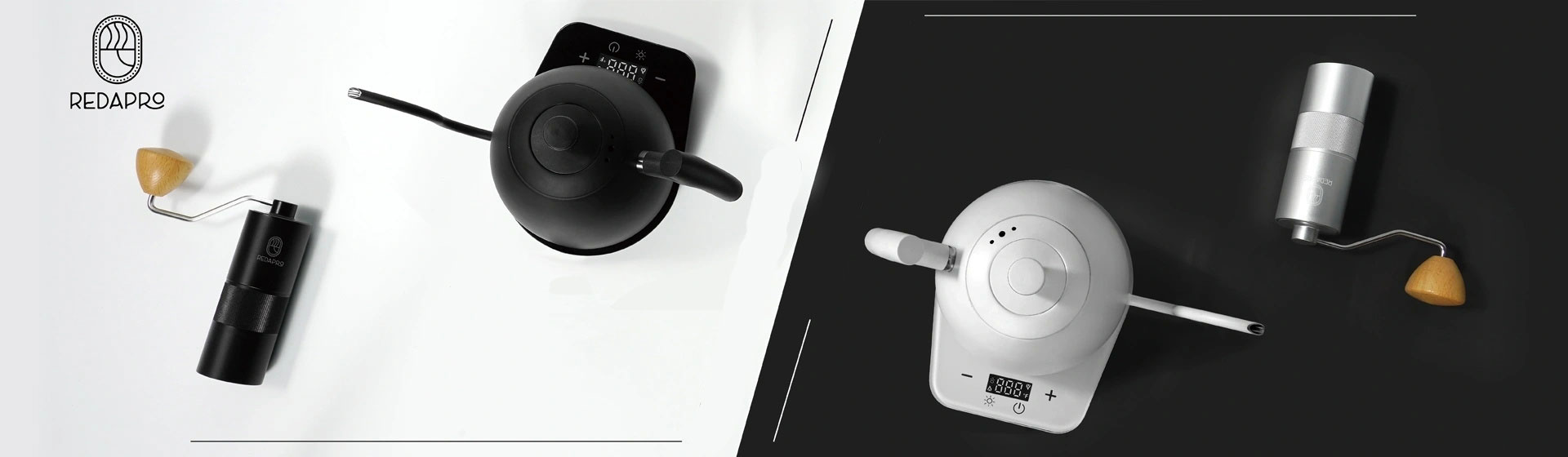
Yes, an Electric Kettle is generally allowed in check-in luggage when traveling by air. Since an electric kettle is a common household appliance and does not contain hazardous materials such as large lithium batteries or flammable substances, most airlines and airport security authorities permit it in checked baggage.
Airline And Security Regulations
Electric Kettles are typically accepted in checked luggage because they are powered by standard electrical heating elements rather than batteries. Unlike certain electronic devices that contain lithium batteries, Electric Kettles usually do not pose a safety risk during air transport.
However, airline rules can vary slightly, so travelers should always review the baggage policy of their airline before departure. In most cases, the main restrictions apply to the overall weight and size of the checked bag, rather than the kettle itself.
Packing Recommendations
When placing an electric kettle in check-in luggage, it should be packed carefully to avoid damage during transport. Wrapping the appliance in clothing, bubble wrap, or protective packaging helps protect the kettle from impact and prevents scratches or dents.
It is also recommended to empty the kettle completely and ensure it is dry before packing. This prevents water leakage and keeps other items in the luggage safe.
International Use Considerations
Even though the kettle can be transported in checked luggage, travelers should check the electrical standards at their destination. Different countries may use different voltage systems and plug types, which may require a power adapter or voltage converter to operate the kettle safely.
Manufacturing And Product Considerations
Modern electric kettles are designed with several safety features, including automatic shut-off protection, boil-dry protection, and insulated handles. These features ensure that the appliance operates safely during daily use.
Manufacturers such as REDAPRO produce electric kettles using stainless steel construction, precision assembly, and integrated heating systems. During production, quality control procedures such as electrical safety testing, heating performance verification, and leakage inspection help ensure reliable product performance.
For buyers sourcing electric kettles in bulk, evaluating material standards, manufacturing capability, and export compliance is essential. Manufacturers with integrated production facilities and structured quality management systems are better positioned to supply electric kettles suitable for international distribution and long-term supply.