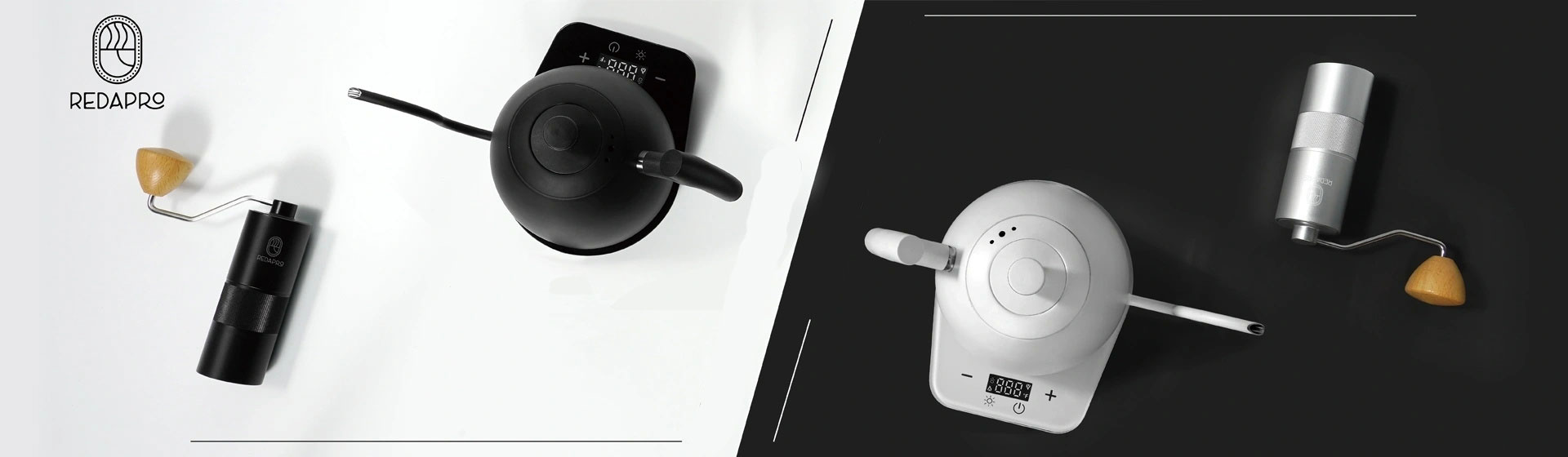
Whether an Electric Kettle is cheaper than gas depends mainly on two factors: energy prices in your region and the efficiency of the heating method. In practice, gas and electricity each have advantages, so the final cost can vary.
In many regions, natural gas is cheaper per unit of energy than electricity. Because of this, boiling water on a gas stove can sometimes cost less per use. For example, an experiment comparing the two methods found that boiling water for one cup of tea cost about 0.5p using gas compared with around 1.4p using an electric kettle.
This means gas can appear cheaper when considering the raw energy price.
However, Electric Kettles are usually more energy-efficient. The heating element sits directly in the water, so very little heat is lost. Electric Kettles often reach about 80% energy efficiency, while stovetop heating loses more heat to the surrounding air.
Because of this design, electric kettles usually:
Boil water faster
Waste less heat
Use energy more efficiently
Another important factor is speed. Electric kettles typically boil water in about 1–2 minutes, while gas stoves may take several minutes depending on the burner power.
Even if gas may be slightly cheaper per unit of energy, the faster heating of an electric kettle can reduce total energy consumption in everyday use.
Gas kettle or gas stove: Often cheaper per unit of energy.
Electric kettle: More efficient and faster for boiling water.
Actual cost: Depends on local electricity and gas prices.
In many households, the difference per use is very small, so people often choose electric kettles because they are faster, safer, and easier to operate.
Previous: