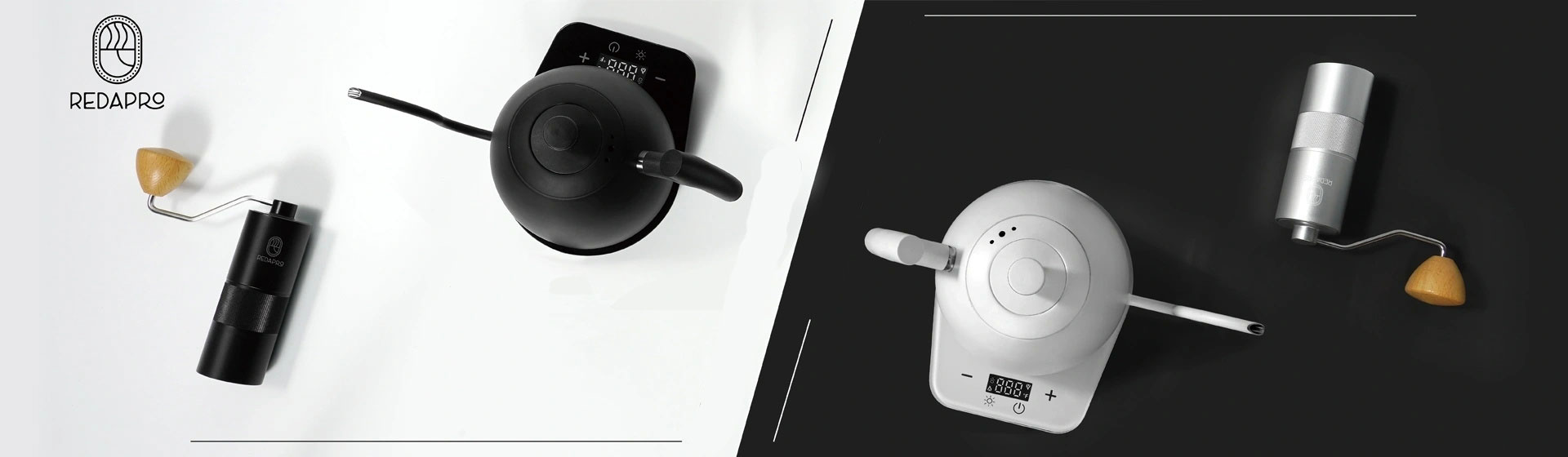
An Electric Kettle does use electricity to heat water, but it does not necessarily consume excessive electricity when used properly. In fact, electric kettles are designed to heat water efficiently, often using less total energy than other heating methods such as stovetop heating.
Power Consumption Of Electric Kettles
Most Electric Kettles operate between 1500W and 2200W, depending on the model and capacity. This power rating allows the kettle to heat water quickly. However, because the heating process usually takes only a few minutes, the total electricity consumption per use is relatively small.
For example, boiling one liter of water typically takes about 3 to 5 minutes, which means the total energy used is around 0.1 kWh to 0.15 kWh per boil depending on the kettle’s power and efficiency.
Why Electric Kettles Are Efficient
Electric kettles heat water directly through an internal heating element that transfers heat efficiently into the water. This direct heating method reduces heat loss compared with stovetop heating, where much of the heat escapes into the surrounding air.
Many electric kettles also include features such as automatic shut-off and temperature control systems. These mechanisms stop the heating process once the water reaches boiling temperature, preventing unnecessary electricity consumption.
Factors That Affect Electricity Usage
The actual electricity consumption of an electric kettle depends on several factors, including:
The power rating of the kettle
The amount of water being heated
The frequency of use
The insulation and design of the kettle
Heating only the required amount of water can significantly reduce energy use.
Manufacturing And Product Design
From a manufacturing perspective, energy efficiency depends on the kettle’s internal heating system and structural design. High-quality electric kettles often use stainless steel interiors and integrated heating plates that improve heat transfer and reduce energy loss.
Manufacturers such as REDAPRO produce electric kettles using stainless steel fabrication, component assembly, and controlled production processes. These manufacturing methods help maintain consistent heating performance and product durability.
Quality Control And Production Standards
During production, electric kettles typically undergo several inspections, including heating performance tests, electrical safety verification, and leakage checks. These quality control checkpoints ensure stable operation and safe electrical performance.
Bulk Supply And Export Considerations
For buyers sourcing electric kettles in bulk, evaluating energy efficiency, material standards, and manufacturing capability is essential. Manufacturers with integrated production systems and structured quality control procedures are better positioned to supply reliable electric kettles for global markets and long-term distribution projects.