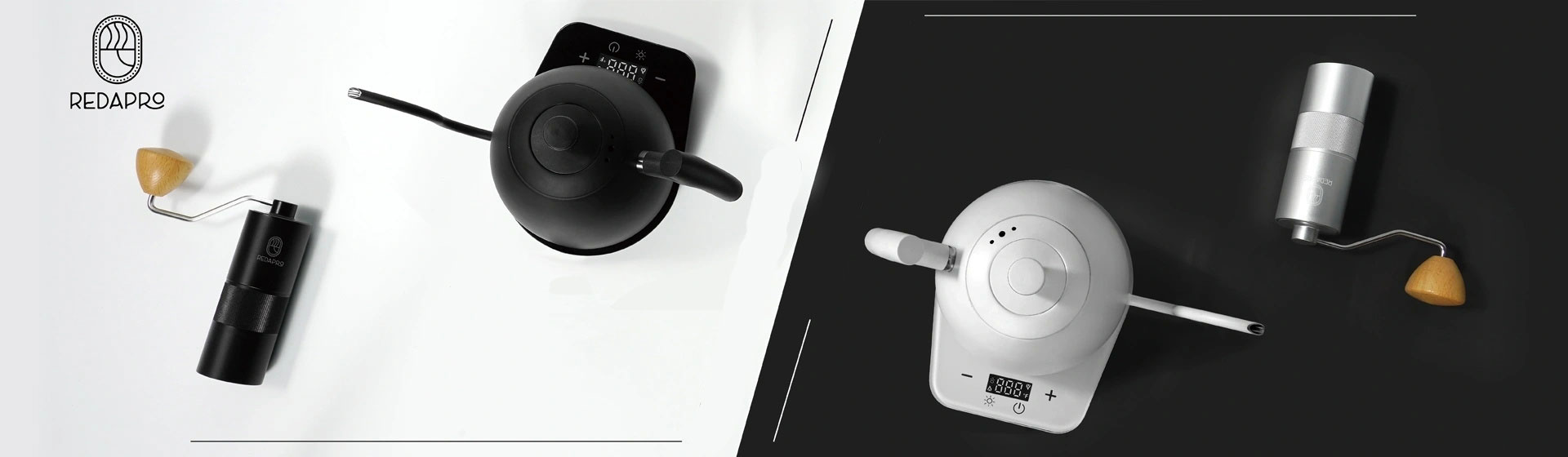
An Electric Kettle is a versatile kitchen appliance designed primarily for heating water quickly and efficiently. Due to its rapid heating capability and simple operation, it is widely used in homes, offices, hotels, and temporary kitchens. Beyond boiling water, an electric kettle can support several practical daily tasks related to food preparation and beverage making.
Preparing Hot Beverages
One of the most common uses of an Electric Kettle is preparing hot drinks such as tea, coffee, or hot chocolate. The kettle heats water rapidly, allowing users to make beverages within a few minutes. This convenience makes Electric Kettles especially popular in offices and hotel rooms where quick access to hot water is important.
Making Instant Foods
Electric kettles are often used to prepare instant foods that only require hot water. Products such as instant noodles, instant soups, and ready-to-eat meals can be prepared easily by pouring boiling water over the ingredients. This makes the kettle useful in dormitories, small apartments, and workplaces.
Cooking Simple Foods
In certain situations, an electric kettle can be used to prepare simple foods such as boiled eggs, oatmeal, or instant porridge. While the kettle is primarily designed for heating water, its boiling function can support basic cooking tasks when other kitchen appliances are not available.
Heating Water For Kitchen Tasks
Electric kettles are also used to heat water for kitchen preparation tasks. Hot water may be required for dissolving ingredients, preparing sauces, or speeding up cooking processes. Because electric kettles heat water faster than many traditional methods, they help improve efficiency in food preparation.
Travel And Temporary Use
Another important use of electric kettles is in travel environments. Portable electric kettles are often used in hotel rooms, offices, or temporary living spaces where access to a full kitchen may be limited. The ability to quickly heat water makes them convenient for travelers and professionals.
Manufacturing Process Overview
From a manufacturing perspective, electric kettles are designed with integrated heating systems, thermostats, and automatic shut-off protection. These components allow the kettle to heat water quickly while maintaining safe operation.
Manufacturers such as REDAPRO produce electric kettles using stainless steel fabrication processes including metal forming, welding, polishing, and final assembly. This structured production process helps maintain consistent product quality and reliable heating performance.
Quality Control Checkpoints
During production, electric kettles typically undergo several inspections such as heating efficiency testing, electrical safety verification, and leakage inspection. These quality control checkpoints help ensure that each kettle performs reliably and meets safety requirements.
Material Standards Used
High-quality electric kettles commonly use food-grade stainless steel for the interior body to ensure corrosion resistance and safe contact with water. Heat-resistant plastics are often used for handles and lids to improve durability and user safety.
Bulk Supply Considerations
For buyers sourcing electric kettles in large quantities, evaluating manufacturing capability, production capacity, and material standards is important. Manufacturers with integrated production facilities can maintain consistent product specifications and stable supply for international buyers.
Export Market Compliance
Electric kettles intended for international markets must comply with electrical safety standards and certification requirements defined by different countries. Manufacturers with structured quality management systems and export experience are better prepared to meet these compliance requirements and support global distribution projects.