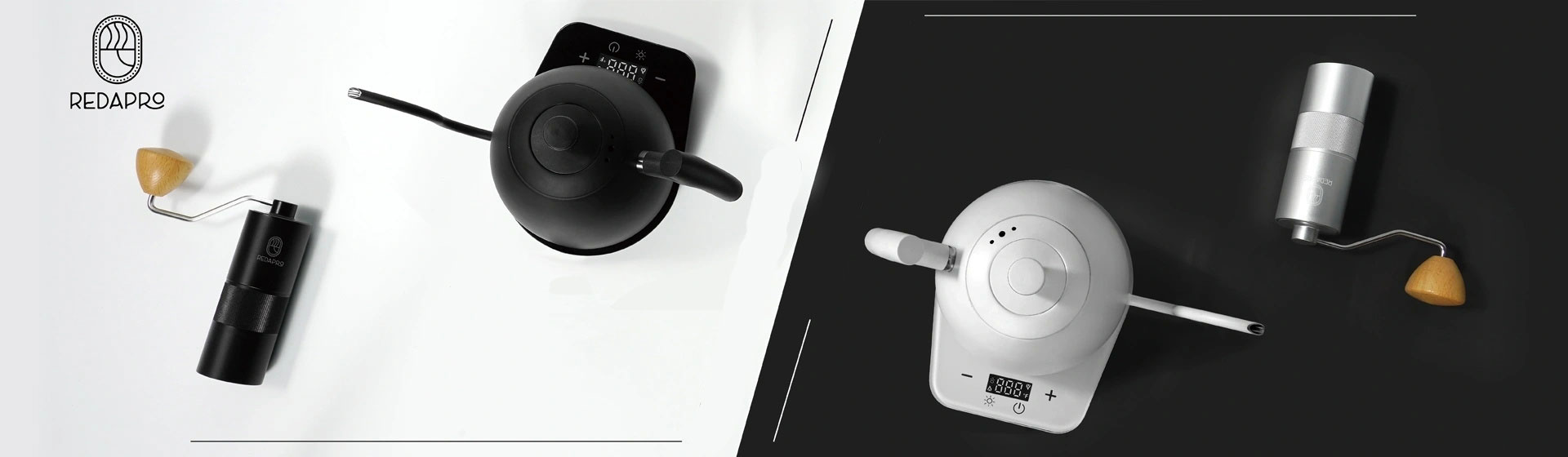
An Electric Kettle is primarily designed to boil water quickly, but it can also be used to prepare several simple foods and beverages. Because the kettle heats water efficiently and reaches boiling temperature in a short time, it is often used in homes, offices, dormitories, and travel environments where quick food preparation is needed.
Tea And Coffee
The most common use of an electric kettle is preparing hot beverages. Water heated in the kettle can be used to make tea, drip coffee, or instant coffee. The rapid heating capability allows users to prepare drinks within minutes, making the kettle a convenient appliance for daily use.
Instant Noodles
Instant noodles are one of the easiest foods to prepare using an Electric Kettle. Boiling water from the kettle can be poured directly over noodles in a bowl, or in some cases the noodles can be cooked directly inside the kettle depending on the kettle design. This method is commonly used in dormitories and workplaces.
Instant Soups
Many packaged soups only require hot water for preparation. Water boiled in an Electric Kettle can be added to soup mixes to create a quick meal. This makes the kettle useful for light meals or snacks when a full kitchen is not available.
Oatmeal And Porridge
Oatmeal or instant porridge can also be prepared using hot water from an electric kettle. By adding boiling water to oats and allowing them to sit for several minutes, users can quickly prepare a simple breakfast.
Boiled Eggs
In some situations, eggs can be boiled in an electric kettle by placing them carefully in water and allowing the kettle to heat the water until boiling. After boiling, the eggs can remain in hot water for several minutes to finish cooking.
Manufacturing Process Overview
From a manufacturing perspective, electric kettles are engineered to heat water efficiently using internal heating elements and automatic shut-off thermostats. These components ensure that the kettle stops heating once the water reaches boiling temperature.
Manufacturers such as REDAPRO produce electric kettles using stainless steel fabrication processes including metal forming, welding, polishing, and final assembly. These controlled production steps help ensure consistent heating performance and durable product construction.
Quality Control Checkpoints
During production, electric kettles typically undergo multiple quality inspections such as heating performance verification, electrical safety testing, and leakage inspection. These checkpoints help ensure that the kettle operates safely and reliably during daily use.
Material Standards Used
High-quality electric kettles often use food-grade stainless steel interiors because stainless steel provides corrosion resistance and safe contact with water. Heat-resistant materials are commonly used for handles and lids to improve durability and user safety.
Bulk Supply Considerations
For buyers sourcing electric kettles in large quantities, evaluating production capacity, material consistency, and manufacturing control is important. Manufacturers with integrated production facilities are better positioned to provide stable supply and maintain consistent product specifications across large orders.
Export Market Compliance
Electric kettles exported to global markets must comply with electrical safety standards and certification requirements defined by different countries. Manufacturers with structured quality management systems and export experience can better support international distribution and long-term supply projects.