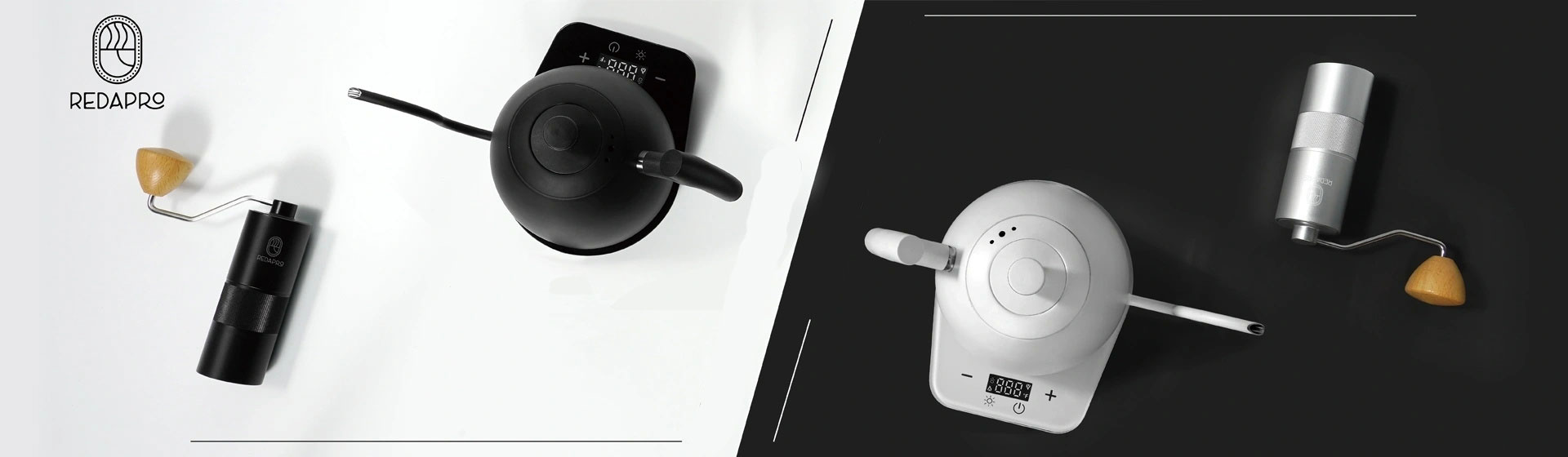
Boiling eggs in an Electric Kettle is a simple method that can be used when a stove is not available. Because electric kettles heat water quickly, they can bring water to boiling temperature within a few minutes, making them suitable for preparing boiled eggs in offices, dormitories, hotels, or temporary kitchens.
Step-by-Step Method
Start by placing one or more eggs carefully inside the kettle. Add enough water to fully cover the eggs. It is important not to exceed the maximum water level indicated inside the kettle.
Close the lid and switch on the kettle to begin heating. As the water reaches boiling temperature, the kettle’s automatic shut-off system will stop the heating process. At this stage, the eggs have started cooking but may require additional time to reach the desired level of doneness.
After the kettle switches off, leave the eggs inside the hot water for several minutes. For soft-boiled eggs, waiting about five to six minutes is usually sufficient. For hard-boiled eggs, leaving them in hot water for around ten minutes helps ensure the yolk is fully cooked.
Once the cooking time is complete, carefully remove the eggs and place them in cold water. This helps stop the cooking process and makes the shells easier to peel.
Important Usage Considerations
While Electric Kettles can be used to boil eggs, they are primarily designed for heating water rather than cooking food. Eggs should be handled carefully to prevent cracking during boiling. Cleaning the kettle afterward is also important to maintain hygiene and prevent residue buildup.
Manufacturing Process Overview
From a manufacturing perspective, Electric Kettles are designed with integrated heating elements, thermostats, and automatic shut-off systems. These components ensure efficient water heating and safe operation during daily use.
Manufacturers such as REDAPRO produce electric kettles using stainless steel fabrication processes that include metal forming, welding, polishing, and assembly. These processes help maintain consistent structural quality and heating performance.
Quality Control Checkpoints
During production, electric kettles typically undergo several inspections including heating performance testing, electrical safety verification, and leakage inspection. These quality control checkpoints help ensure that the kettle operates safely and reliably.
Material Standards Used
High-quality electric kettles commonly use food-grade stainless steel interiors because stainless steel resists corrosion and provides safe contact with water during repeated heating cycles. Heat-resistant plastics are often used for handles and lids to improve durability and user safety.
Bulk Supply Considerations
For buyers sourcing electric kettles in bulk, evaluating manufacturing capability, material standards, and production consistency is essential. Manufacturers with integrated production facilities can maintain stable product specifications across large orders.
Export Market Compliance
Electric kettles intended for international markets must comply with electrical safety regulations and certification standards defined by different regions. Manufacturers with structured quality management systems and export experience are better prepared to support global distribution and long-term supply projects.