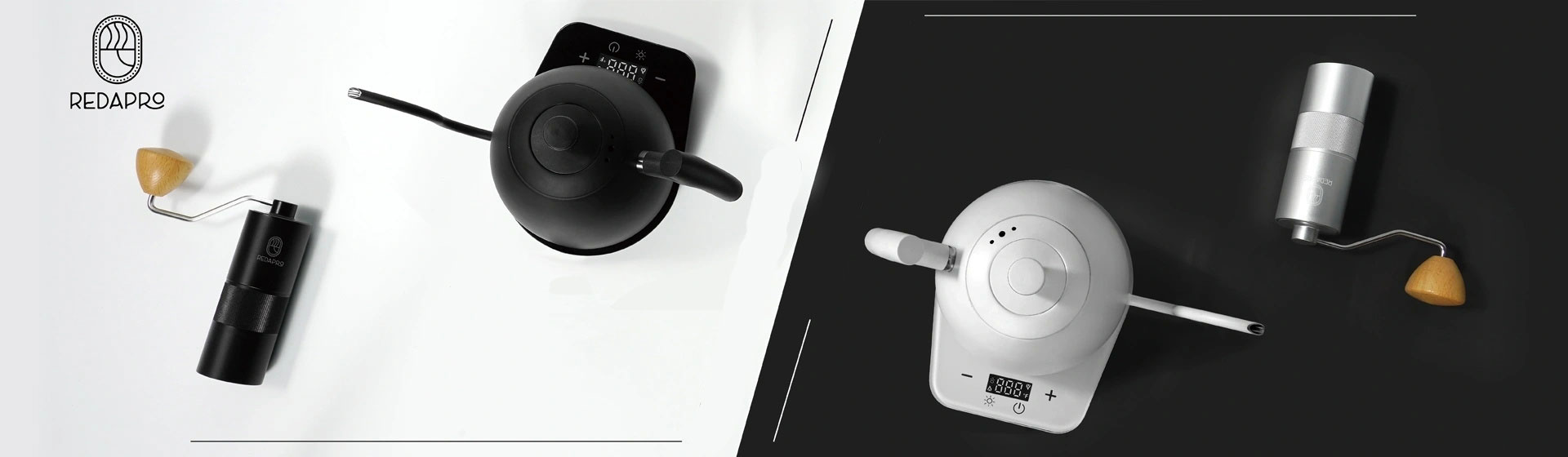
Cleaning the inside of an Electric Kettle is important to remove mineral deposits that form during repeated boiling. Hard water contains dissolved minerals such as calcium and magnesium. When water is heated, these minerals can remain on the inner surface and heating plate of the kettle, creating scale buildup. Regular cleaning helps maintain heating efficiency and water quality.
Vinegar Cleaning Method
One common method is using white vinegar. Fill the kettle with a mixture of water and vinegar, usually about two parts water and one part vinegar. Turn on the kettle and allow the solution to boil. After boiling, leave the mixture inside the kettle for about fifteen to twenty minutes so the vinegar can dissolve the mineral deposits.
Once the soaking period is complete, pour out the solution and rinse the kettle thoroughly with clean water. Boil fresh water once more and discard it to remove any remaining vinegar odor.
Citric Acid Cleaning Method
Citric acid is another effective cleaning solution. Add a small amount of citric acid powder to water in the kettle and bring the mixture to a boil. The acid reacts with the mineral scale and helps break it down. After boiling, leave the solution inside the kettle for several minutes before rinsing the kettle thoroughly with clean water.
Baking Soda Method
For lighter mineral buildup, baking soda can be used. Add a spoonful of baking soda to water in the kettle and heat the mixture. Baking soda helps loosen deposits and neutralize odors. After heating, gently rinse the kettle with clean water.
Manufacturing Process Overview
From a manufacturing perspective, the ease of cleaning an electric kettle depends on the material used for the interior body and the smoothness of the internal surface. High-quality Electric Kettles often use food-grade stainless steel interiors because stainless steel provides corrosion resistance and allows mineral deposits to be removed more easily.
Manufacturers such as REDAPRO produce Electric Kettles through stainless steel fabrication processes including metal forming, welding, polishing, and assembly. These processes create smooth interior surfaces that reduce scale adhesion and improve long-term durability.
Quality Control Checkpoints
During production, electric kettles typically undergo several quality inspections including heating performance testing, electrical safety verification, and leakage inspection. These quality control checkpoints help ensure stable operation and safe performance.
Material Standards Used
Electric kettles commonly use food-grade stainless steel for the inner body to ensure safe contact with water and resistance to corrosion. Heat-resistant plastics are used for handles, lids, and base components to improve durability and user safety.
Bulk Supply Considerations
For buyers sourcing electric kettles in large quantities, evaluating manufacturing capability, material standards, and production consistency is essential. Manufacturers with integrated production facilities are better positioned to provide stable product quality and reliable supply.
Export Market Compliance
Electric kettles intended for international markets must comply with electrical safety regulations and certification standards defined by different regions. Manufacturers with structured quality management systems and export experience are better prepared to support global distribution and long-term supply projects.