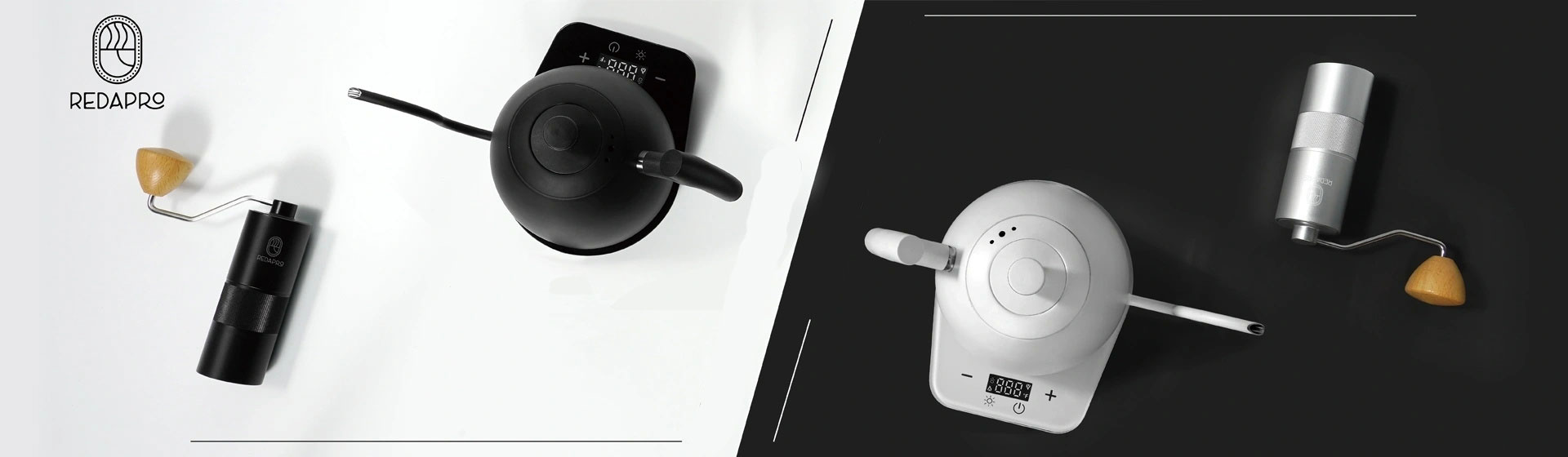
Descaling an Electric Kettle with white vinegar is one of the most effective ways to remove mineral buildup caused by hard water. Over time, minerals such as calcium and magnesium remain on the heating plate and inner walls of the kettle after repeated boiling. This scale can reduce heating efficiency and affect water quality. Using white vinegar helps dissolve these deposits and restore the kettle’s performance.
Step-by-Step Descaling Process
Start by filling the kettle with a mixture of water and white vinegar. A common ratio is two parts water to one part vinegar. Make sure the liquid level does not exceed the maximum fill line marked inside the kettle.
Turn on the kettle and allow the mixture to boil. Once the boiling process is complete, leave the solution inside the kettle for about fifteen to twenty minutes. During this time, the vinegar reacts with the mineral deposits and gradually dissolves them from the interior surface.
After the soaking period, pour out the solution and rinse the kettle thoroughly with clean water. To remove any remaining vinegar smell, fill the kettle with fresh water, boil it once, and discard the water before using the kettle again.
Why Vinegar Works For Descaling
White vinegar contains acetic acid, which reacts with mineral scale and breaks it down into soluble compounds that can be easily rinsed away. This method is widely used because it is effective, inexpensive, and easy to perform at home.
Manufacturing Process Overview
From a manufacturing perspective, the formation of mineral scale is influenced by the material used for the interior body of the kettle. High-quality electric kettles often use food-grade stainless steel interiors because stainless steel resists corrosion and allows mineral deposits to be removed more easily.
Manufacturers such as REDAPRO produce Electric Kettles through stainless steel fabrication processes including metal forming, welding, polishing, and assembly. These processes create smooth internal surfaces that help reduce scale adhesion and improve long-term durability.
Quality Control Checkpoints
During production, Electric Kettles typically undergo several inspections such as heating performance testing, electrical safety verification, and leakage inspection. These quality control procedures ensure that the kettle operates safely and maintains stable heating performance.
Material Standards Used
Electric kettles commonly use food-grade stainless steel for the inner body to ensure corrosion resistance and safe contact with water. Heat-resistant plastics are used for handles, lids, and base components to improve durability and safe handling.
Bulk Supply Considerations
For buyers sourcing electric kettles in large quantities, evaluating manufacturing capability, material standards, and production consistency is essential. Manufacturers with integrated production facilities can maintain stable product specifications and reliable supply across large orders.
Export Market Compliance
Electric kettles intended for international markets must comply with electrical safety regulations and certification requirements defined by different regions. Manufacturers with structured quality management systems and export experience are better prepared to support global distribution and long-term supply projects.